



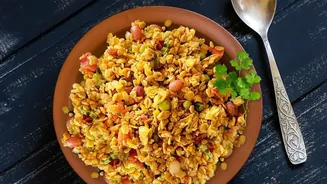

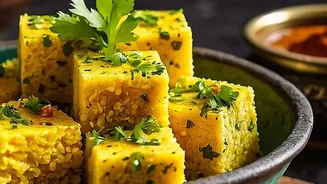
If you're seeking to elevate simple vegetarian staples like rice and dal, look no further than the kitchens of Eastern India. Aromatic, complex, and surprisingly easy to use, panch phoron might be the secret weapon your pantry is missing.
The Five-Spice Secret of Bengal
Panch phoron,
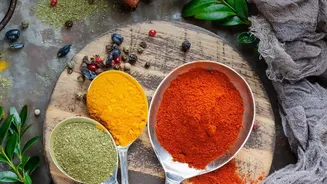
which literally translates to 'five spices' in Bengali, is a whole-seed blend that forms the backbone of many dishes in West Bengal, Bangladesh, and surrounding regions. Unlike powdered masalas, this is a mixture of whole seeds, typically used in equal parts. The standard combination includes cumin seeds, fennel seeds, mustard seeds, nigella seeds, and fenugreek seeds. The beauty of panch phoron lies in its rustic simplicity; the seeds are kept whole, preserving their individual integrity until they hit hot oil and bloom into a symphony of aromas. While some household recipes might slightly vary the ratios or substitute mustard seeds for the harder-to-find radhuni (wild celery seed), the core five remain constant.
A Harmony of Contrasting Tastes
Each of the five seeds in panch phoron contributes a distinct note to the overall flavour profile. Cumin provides a warm, earthy base, while fennel seeds add a sweet, anise-like fragrance. Nigella seeds, often mistaken for black sesame, offer a pungent, slightly peppery, onion-like taste. Mustard seeds bring a sharp, pungent kick that mellows with cooking. The final, and arguably most transformative, ingredient is fenugreek. Though intensely bitter when raw, fenugreek seeds become nutty and pleasantly savoury when fried, adding a deep complexity that balances the other flavours. Together, they create a blend that is simultaneously sweet, bitter, earthy, and pungent.
The Art of Tempering
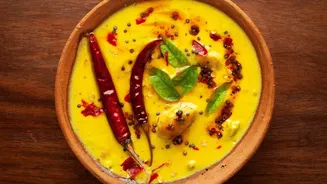
The magic of panch phoron is unlocked through a technique called 'tempering'—known as 'phoron' in Bengali or 'tadka' in Hindi. This is the crucial first or last step in many Indian recipes. The whole spice blend is added to hot oil or ghee and fried for just a few seconds until the seeds begin to pop and crackle. This process, called blooming, releases their essential oils and infuses the fat with an intense, multi-layered aroma. This fragrant oil then becomes the flavour base for the entire dish. Adding onions, garlic, or vegetables to this tempered oil ensures they are coated in flavour from the very start. Alternatively, a tadka can be poured over a finished dal just before serving for a final burst of fresh, aromatic flavour.
Transforming Your Everyday Dal
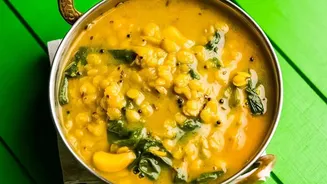
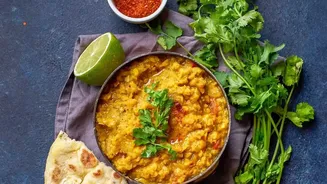
A simple bowl of boiled lentils can be completely transformed with the addition of panch phoron. For a classic Bengali masoor dal (red lentils), a tadka of panch phoron fried in mustard oil with a bay leaf and a dried red chilli is all you need to create a deeply satisfying and fragrant stew. The spices infuse the creamy, earthy lentils with a complex aroma that is both comforting and exciting. This technique works beautifully with other lentils too, such as toor dal (yellow split pigeon peas) or mung dal. Simply prepare your dal as you normally would, then add the crackling panch phoron tempering at the end, stir, and let it simmer for a few minutes to allow the flavours to meld.
Bringing New Life to Rice Dishes
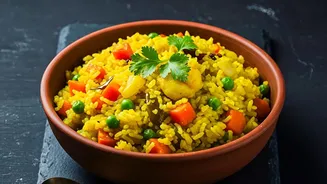
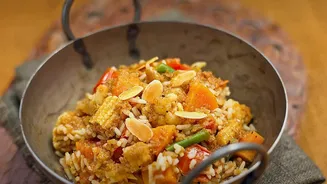
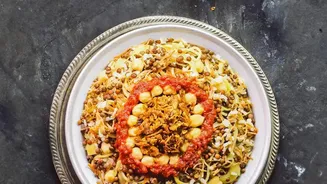
Panch phoron's influence extends well beyond lentils. It is a cornerstone ingredient in khichuri, a beloved Bengali comfort food made from rice and lentils cooked together into a porridge-like consistency. In this dish, the spices are tempered in ghee at the start, building a fragrant foundation before the rice and lentils are added. The nutty, sweet, and slightly bitter notes of the spices permeate every grain, turning a humble meal into a culinary experience. Beyond khichuri, you can use a panch phoron tadka to create simple but flavourful vegetable stir-fries served with plain rice, or even add it directly to the pot when steaming rice to infuse it with a subtle, aromatic character.