




The Concrete Sponge Effect
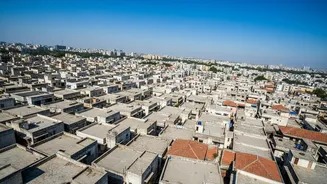
At the heart of the issue is the Urban Heat Island (UHI) effect. Cities are jungles of concrete, asphalt, and brick, materials that are fundamentally different from natural landscapes. During the day, these dark, dense surfaces absorb and store vast amounts
of solar radiation. Think of them as giant, dark sponges soaking up sunlight. Unlike soil and vegetation, which use sunlight for processes like evapotranspiration that cool the environment, urban materials just get hotter and hotter. Studies show that materials like asphalt can absorb as much as 95% of the sun's energy, radiating it back into the atmosphere long after sunset, which is why city nights often remain uncomfortably warm.
When Rain Meets Hot Ground
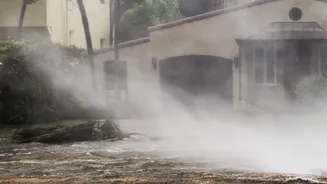
One might assume that a cool shower would quench this stored heat. Initially, it does. The falling rain cools the air and the ground surface. However, when this water hits superheated pavements and rooftops, it evaporates almost instantly. This rapid evaporation requires energy, which it pulls from the hot surfaces, but it also pumps a massive amount of water vapour into the air. This process releases latent heat, which can raise the temperature of the surrounding air. So, while the initial splash brings a moment of coolness, the aftermath is a surge in atmospheric moisture, setting the stage for the next problem: humidity.
The Humidity Trap
This is where the feeling of sticky, oppressive heat comes from. The human body cools itself by sweating; as sweat evaporates from our skin, it takes heat with it. But for sweat to evaporate, the surrounding air needs to be able to accept more moisture. When monsoon showers cause a spike in humidity, the air becomes saturated. With nowhere for it to go, sweat stays on the skin, making our natural cooling system ineffective. This is why the 'feels like' temperature, or heat index, can be significantly higher than the actual air temperature. Even in the shade, the high humidity can make conditions feel more strenuous and increase the risk of heat exhaustion.
Why Green Spaces Are Critical
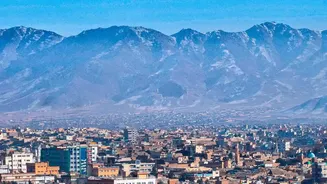
The contrast with rural or forested areas is stark. Trees and green spaces are nature's air conditioners. They provide shade, which prevents surfaces from absorbing heat in the first place. More importantly, through evapotranspiration, they release moisture into the air in a way that actively cools their surroundings. Studies have shown that even a medium-sized park can reduce temperatures by several degrees in its vicinity. As Indian cities have expanded, they have often done so at the expense of green cover, replacing cooling natural landscapes with heat-retaining artificial ones. This loss of vegetation is a key reason why urban areas struggle to cool down, even with regular rainfall.
Architecture and Airflow
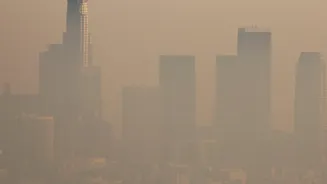
The very structure of a city contributes to the problem. Tall buildings can create urban canyons that trap hot air and prevent it from circulating and escaping, especially at night. The lack of open, unpaved spaces means there are fewer surfaces that can cool down efficiently after sunset. Furthermore, cities generate their own waste heat from cars, industrial processes, and millions of air conditioning units working overtime. This anthropogenic heat adds another layer to the already high temperatures, creating a feedback loop where a hotter city requires more AC, which in turn releases more heat into the environment. Traditional architecture with courtyards and natural ventilation is often less effective as surrounding urban sprawl has raised ambient temperatures.