




The Great Escape From The Heat
The most visceral driver of this trend is a simple, unavoidable fact: India's cities are getting hotter. With record-breaking heatwaves becoming a near-annual occurrence, the appeal of a sweltering coastal holiday has diminished. Urban millennials and
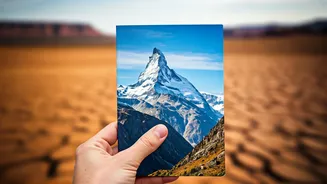
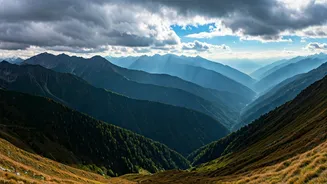
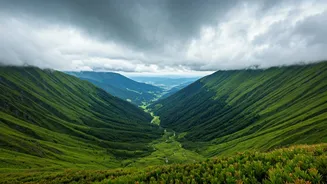
Gen Z, armed with disposable income and a craving for comfort, are increasingly looking north and northeast. Travel data consistently shows a massive spike in searches for destinations in Himachal Pradesh, Uttarakhand, and Sikkim during the scorching months from April to June. This isn't just about a vacation; it's a strategic retreat from a climate that feels increasingly hostile. The promise of waking up to a misty morning where you might need a light sweater is a luxury that has begun to outweigh the allure of a tropical tan.
Beyond The Beach Party
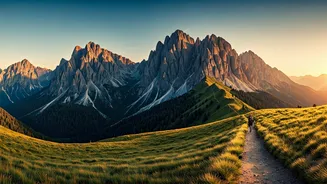
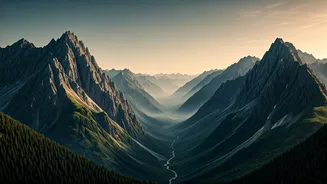
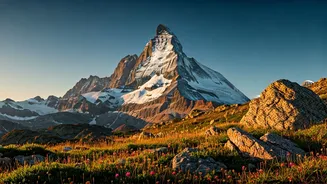
For decades, Goa was the default destination for young Indians seeking fun and freedom. But priorities are shifting. The frantic energy of a beach rave is being replaced by the quiet contemplation of a mountain trail. This is a generation grappling with unprecedented levels of urban burnout, digital fatigue, and work-related stress. The mountains offer a powerful antidote: clean air, vast open spaces, and a pace of life that encourages disconnection. Travellers are seeking 'slow travel' — experiences that focus on connection with nature, local culture, and oneself, rather than just ticking off a list of tourist attractions. The new travel goal isn't necessarily to party all night, but to find a peaceful corner cafe with a stunning Himalayan view.
The 'Workation' Revolution
The pandemic-induced shift to remote work has been a game-changer. What used to be a ten-day vacation can now be a month-long 'workation'. Young professionals in tech, creative fields, and freelancing are swapping their city apartments for rented cottages in places like Manali, Mussoorie, or even lesser-known hamlets. All that's needed is a reliable Wi-Fi connection. This extended-stay model allows for deeper immersion in a location and fundamentally changes the economics and logistics of travel. It has given rise to a network of co-working spaces and long-stay-friendly accommodations in hill stations, creating a self-sustaining ecosystem that caters specifically to this new breed of digital nomad.
An Instagram-Ready Aesthetic
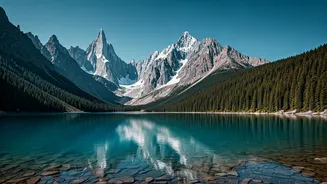
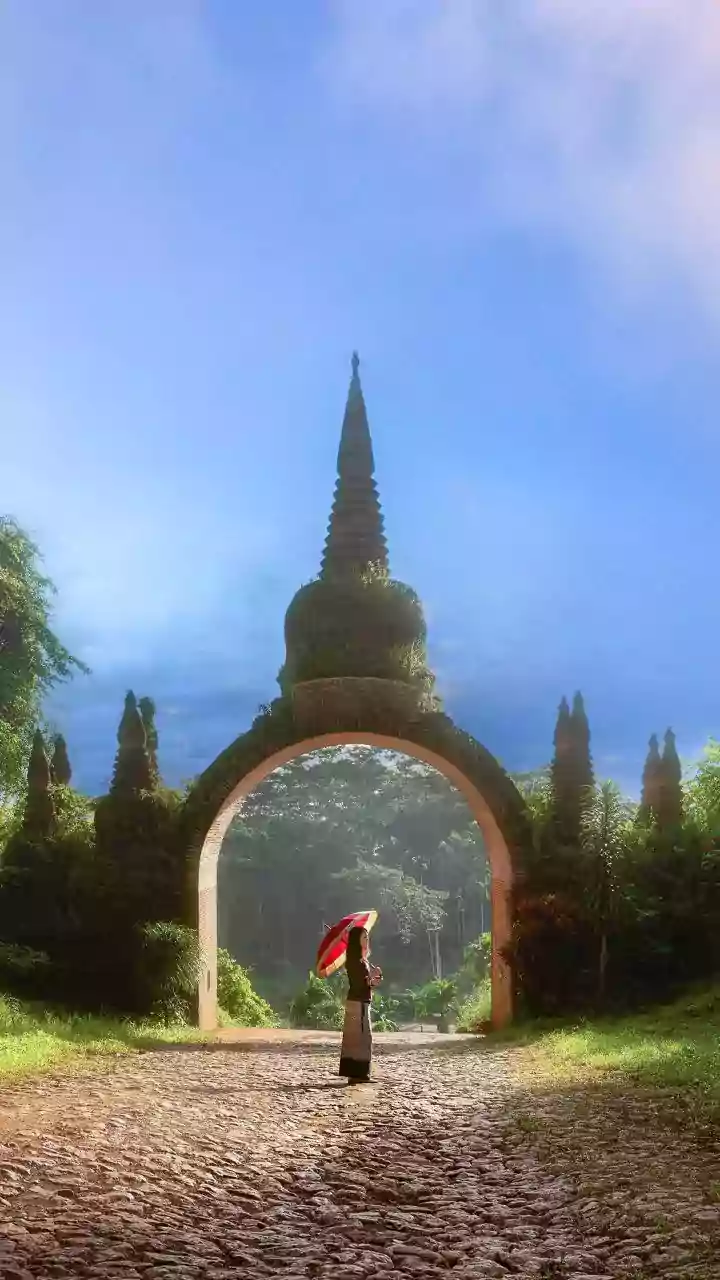
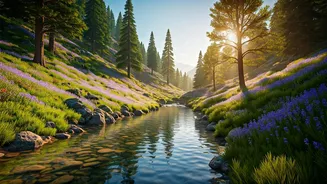
It would be naive to ignore the powerful influence of social media. The visual language of travel has evolved. The bright, sun-drenched beach photo is now competing with a more muted, atmospheric aesthetic. Think steaming cups of tea against a backdrop of misty valleys, wooden cabins surrounded by pine trees, and candid shots of trekking through lush forests. This 'cottagecore' or 'mountain-core' aesthetic, popularized by travel influencers and Pinterest boards, has created a new visual ideal for a perfect getaway. It's an aesthetic that speaks to authenticity, simplicity, and a closeness to nature — values that resonate deeply with a generation looking for meaning beyond commercialised leisure.
Redrawing The Domestic Travel Map
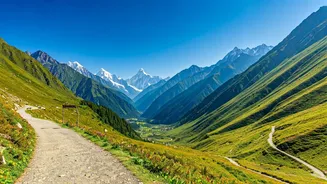
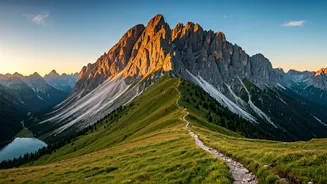
This collective pivot towards the mountains is redrawing India's domestic tourism map. While traditional hotspots remain popular, there's a surge of interest in offbeat destinations. Tirthan Valley, Spiti, and parts of Arunachal Pradesh are no longer just for hardcore trekkers. This boom brings economic opportunity to remote regions, fuelling a homestay culture and creating local jobs. However, it also brings challenges. The fragile ecosystems of the Himalayas are under increasing pressure from overcrowding, plastic waste, and unregulated construction. The very peace and solitude that travellers seek are at risk of being eroded by their own numbers, posing a critical challenge for sustainable tourism in the years to come.