

The raw beauty of Uttarakhand’s remote forest villages, once the exclusive domain of hardy trekkers, is now more accessible. Thanks to reliable overnight trains and a thriving network of shared cabs, the journey into the heart of the Kumaon and Garhwal
Himalayas has become simpler and more affordable for everyday travellers.
The Magic of the Himalayan Hamlet
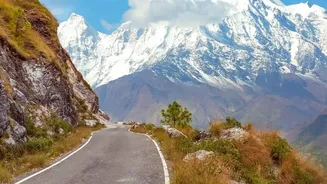
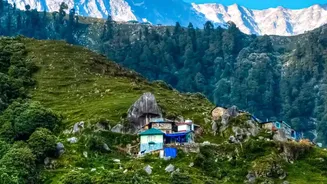
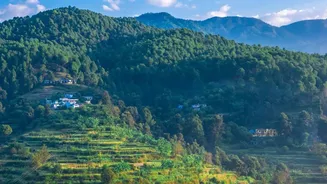
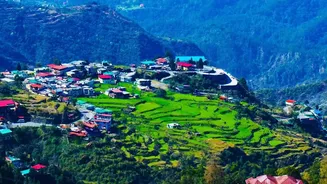
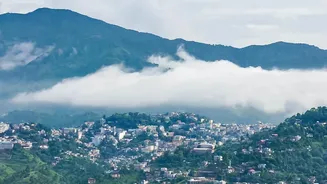
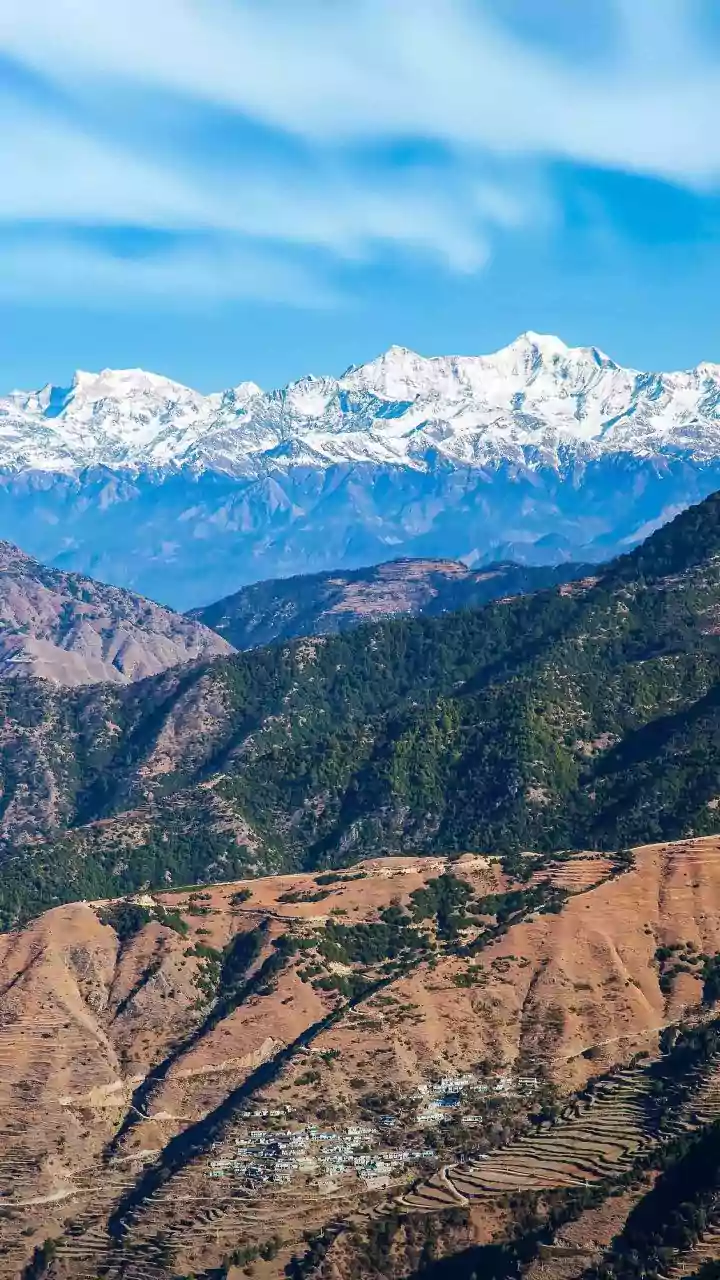
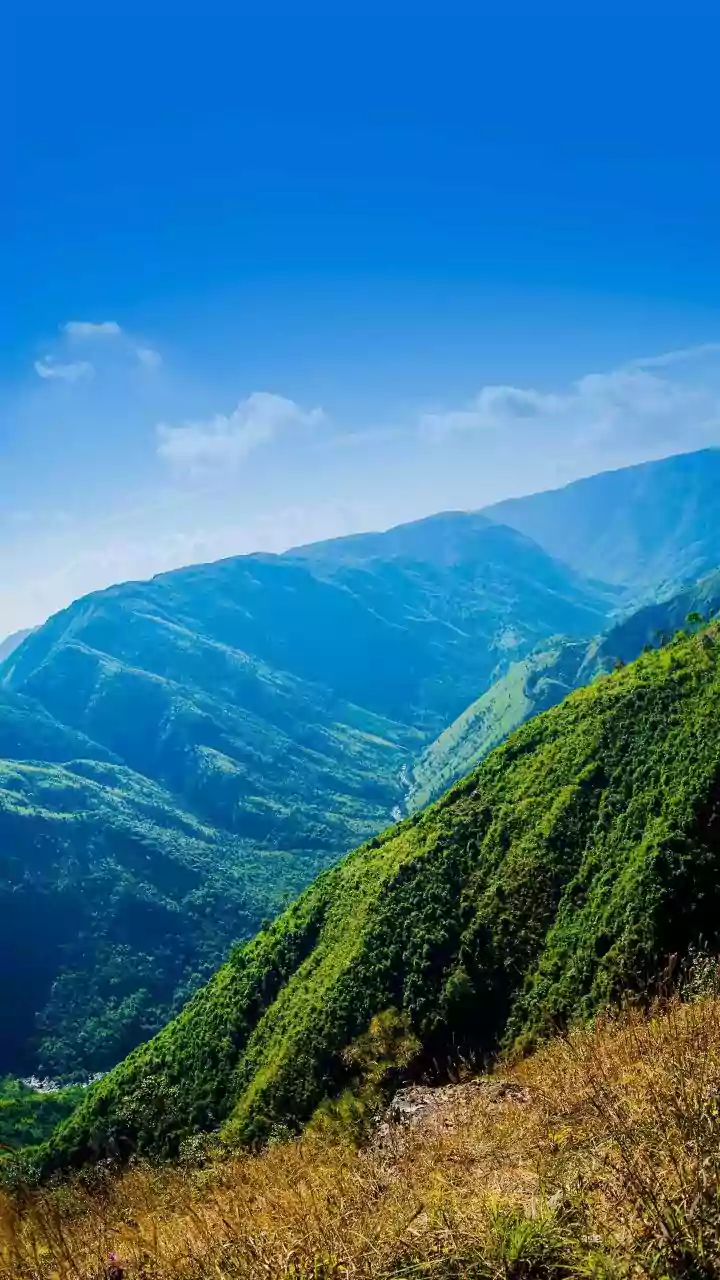
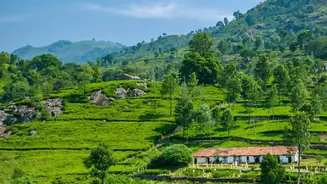
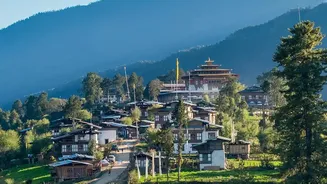
Beyond the bustling hubs of Nainital and Mussoorie lies a different Uttarakhand. Here, tiny villages cling to hillsides, surrounded by dense forests of deodar, pine, and oak. Life moves at a slower pace, dictated by seasons and ancient traditions. These are places like the culturally unique Jaunsar-Bawar region, with its distinct wooden architecture and folklore, and the villages around Munsiyari, which offer jaw-dropping views of the Panchachuli peaks. For years, reaching these tranquil retreats required complex travel plans, multiple bus changes, or expensive private taxis. Today, a more streamlined combination of rail and road travel opens up these regions, allowing visitors to experience their authentic culture and serene landscapes without the logistical headache.
The Overnight Train: Your Gateway to Kumaon
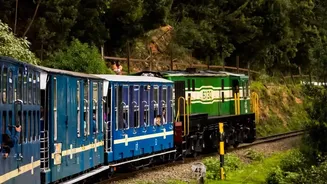
The journey for many begins in Delhi, with an overnight train to the foothills of the Kumaon region. The Ranikhet Express, for example, departs from Delhi in the evening and arrives at Kathgodam station around 5 AM. This early arrival is perfectly timed to connect with the morning's first wave of onward transport into the mountains. Travelling overnight in a sleeper or AC coach is not only cost-effective but also comfortable, saving you a day of travel and avoiding the fatigue of a long road journey from the plains. Kathgodam serves as the primary railhead for destinations like Almora, Bageshwar, Kausani, and Munsiyari. Upon arrival, you step out into the cool mountain air, ready for the next leg of your adventure.
The Final Mile: Mastering the Shared Cab
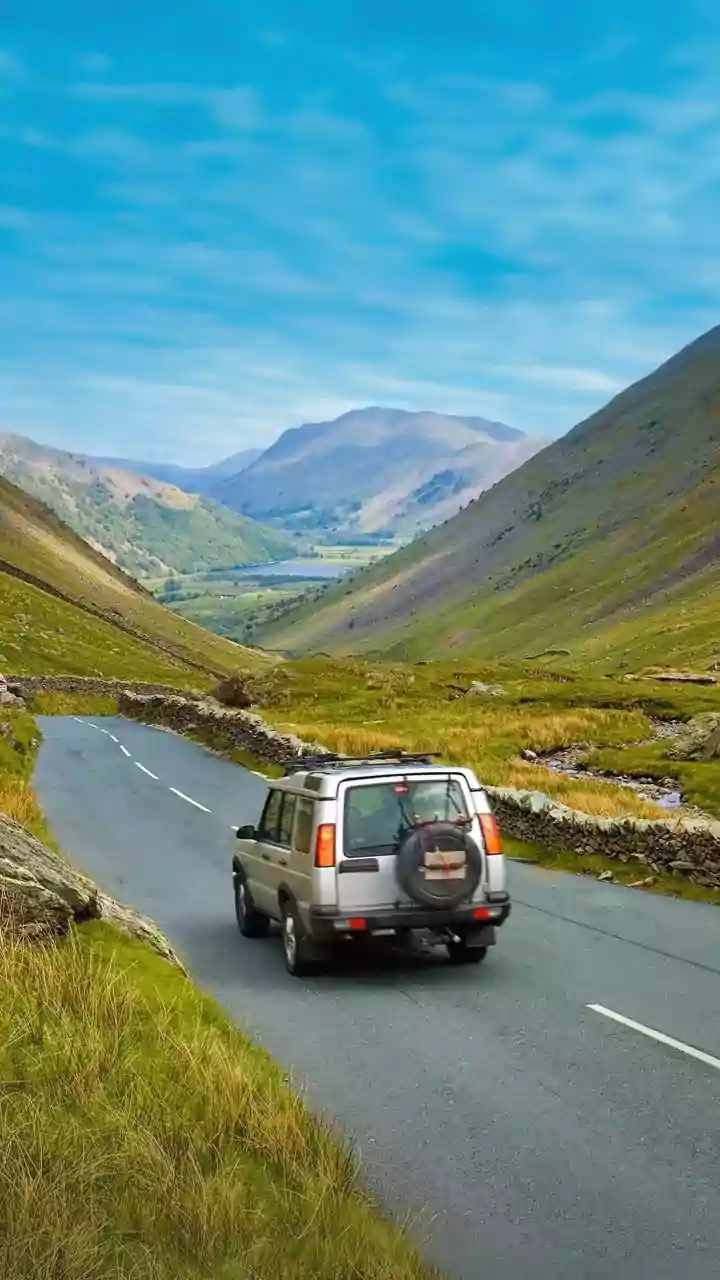
From railheads like Kathgodam and Dehradun, shared taxis are the lifeline for reaching the high hills. These vehicles, typically Boleros or other sturdy jeeps, are the most common way to travel between towns and into more remote valleys. Just outside Kathgodam station, you'll find a bustling taxi stand where drivers call out destinations. You don’t book in advance; you simply find a cab heading your way and claim a seat. The vehicle leaves as soon as it's full, usually with 8-10 passengers. Fares are paid in cash and are significantly cheaper than hiring a private taxi. For a journey to Munsiyari, which can take 10-12 hours, you might take a shared cab to a hub like Almora or Pithoragarh before finding another for the final stretch. It's an efficient system that runs on a 'fill-and-go' basis, so it’s wise to start your journey early in the day, as long-distance services tend to halt by late afternoon.
Accessible Havens: Villages to Explore
This improved connectivity brings several stunning regions within easier reach. In Kumaon, villages around Binsar Wildlife Sanctuary, the cultural town of Almora, and the Himalayan viewpoint of Kausani are all accessible via shared cabs from Kathgodam. Further afield, the road to Munsiyari is a classic route, passing through scenic towns like Bageshwar. In the Garhwal region, the Jaunsar-Bawar area, accessed via Dehradun, offers a deep dive into a unique tribal culture. Villages like Jakhol, with its traditional carved wooden houses and temples dedicated to Duryodhana, provide a fascinating glimpse into local beliefs. The main hub of Chakrata serves as a base for exploring the forests and waterfalls of this serene region.
Planning Your Trip: A Practical Guide
To make the most of this network, a little planning goes a long way. Book your overnight train tickets well in advance, especially during peak seasons. For the onward road journey, be prepared for an early start. Most shared taxis for long routes depart in the morning. While buses run by Uttarakhand Transport Corporation (UTC) and local unions like KMOU are also an option, shared jeeps are often faster and reach more remote trailheads. Pack light, as luggage space can be limited. Always carry cash for fares and snacks, as digital payments may not be available in smaller hamlets. Finally, embrace the journey. Sharing a cab with locals is an experience in itself, offering insights, stories, and a true taste of Himalayan life before you even arrive at your destination.