




The Small Space Mindset
The key to effective small space fitness is changing your perspective. Instead of thinking horizontally, think vertically and stationary. You don't need a large area to run laps; you need just enough space to stand, lie down, and jump. The focus shifts
from covering distance to maximizing intensity within your personal bubble. High-Intensity Interval Training (HIIT) is perfect for this, as it involves short bursts of intense effort followed by brief rest periods. This method elevates your heart rate and builds muscle without requiring much more than the floor beneath your feet. The goal is to make every movement count, concentrating on form and power rather than a wide range of motion.
Your Body is the Best Equipment
You already own the most versatile piece of fitness equipment: your body. Bodyweight exercises are the foundation of any successful small-space routine because they build functional strength and require zero gear. Key movements that provide a full-body workout include push-ups, squats, lunges, and planks. Push-ups target your chest, shoulders, and triceps, and can be modified by performing them on your knees or against a wall. Squats and lunges are phenomenal for building lower body strength in your quads and glutes. Meanwhile, planks are a powerhouse for core stability, engaging your entire midsection. For a cardio blast, burpees and mountain climbers are unbeatable, combining strength and cardiovascular endurance in one dynamic move.
Smart, Compact Equipment
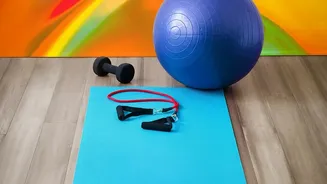
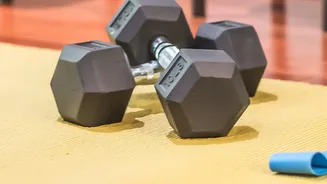
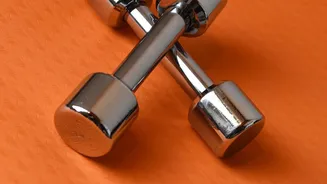
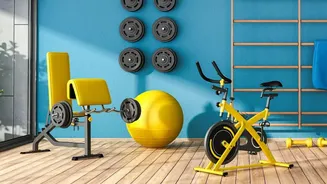
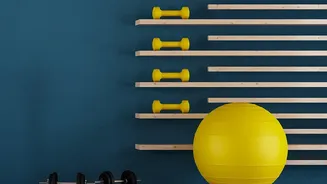
While not essential, a few carefully chosen pieces of equipment can elevate your routine. Resistance bands are a fantastic, space-saving tool for adding challenge to exercises like bicep curls, shoulder presses, and rows. A single kettlebell or a pair of adjustable dumbbells can replace an entire rack of weights, allowing for moves like goblet squats, swings, and overhead presses in a compact footprint. Even household items can be used; a sturdy chair is great for tricep dips or elevated push-ups, while cans or water jugs can serve as light weights for beginners. The idea is to select versatile items that offer a variety of exercises without cluttering your living space.
Your 20-Minute Power Circuit
Putting it all together is simple with a circuit-style workout. This structure keeps your heart rate up and ensures you work your entire body efficiently. Try this 20-minute HIIT routine: perform each exercise for 40 seconds, followed by 20 seconds of rest before moving to the next. Complete the entire circuit two to three times. 1. Jumping Jacks: A classic warm-up to get your blood flowing. 2. Bodyweight Squats: Focus on deep, controlled movement. 3. Push-ups: Go to your knees if needed to maintain good form. 4. Lunges: Alternate legs with each repetition. 5. Plank: Keep your back straight and core engaged. 6. Mountain Climbers: Drive your knees toward your chest quickly. This format is highly adaptable; you can swap exercises or adjust the work-to-rest ratio to match your fitness level.
Common Small-Space Traps to Avoid
Working out at home comes with unique challenges. One of the biggest mistakes is skipping the warm-up; even 3-5 minutes of dynamic movements like arm circles and leg swings can prevent injury. Another common issue is poor form. Without a mirror or a trainer, it's easy to let your posture slip, which reduces effectiveness and increases risk. Consider recording yourself to check your technique. Also, avoid falling into a rut by doing the same workout every day. Your body adapts, and progress can stall. Vary your exercises to keep your muscles challenged. Finally, if you live in an apartment, be mindful of noise. Opt for low-impact versions of exercises, such as stepping instead of jumping, to keep your neighbours happy.