



A Culinary Renaissance on Your Phone
In the bustling food delivery landscape of metropolitan India, a new and significant trend is taking root. Beyond the familiar comfort of mainstream cuisines, a handful of pioneering entrepreneurs are using the power of technology to resurrect and share
the forgotten foods of India’s indigenous tribal communities. The vehicle for this cultural revival is often the humble cloud kitchen—a delivery-only restaurant with low overhead costs. This model is perfectly suited for niche cuisines, allowing chefs and entrepreneurs to test the waters and introduce complex, regional flavours to urban foodies without the financial risk of a full-fledged restaurant. It’s a movement that connects the deepest roots of India’s culinary heritage with the convenience of a smartphone app, bringing lost flavours back to the table, one delivery at a time.
From Forest Feasts to Urban Feasts
This trend is not just an abstract concept; it is being driven by passionate individuals on the ground. Take the work of entrepreneurs in Jharkhand, a state with a rich tapestry of tribal cultures. Aruna Tirkey, founder of the restaurant Ajam Emba, has been a leading voice in making the state's tribal cuisine accessible. Her initiative has not only created a space for city dwellers in Ranchi to experience authentic flavours but has also inspired others to enter the food business. These ventures are more than just kitchens; they are creating vital economic links. By focusing on seasonal and local ingredients, they build supply chains that directly benefit farmers and foragers in rural villages. Dishes are prepared using traditional methods, offering a genuine taste of a culture that has always lived in close harmony with nature. This approach ensures authenticity while also fostering a sustainable ecosystem that supports the very communities these recipes come from.
What's on the Menu?
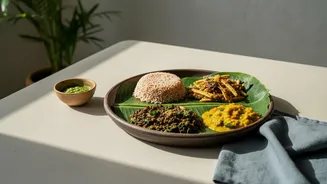
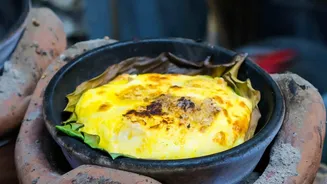
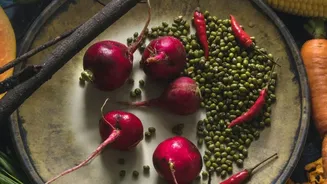
So, what do these rediscovered meals taste like? The menus are a fascinating journey into India’s diverse ecosystems. In Jharkhand and parts of central India, the mahua flower is a star ingredient, used not just for its famous spirit but also in nutritious and subtly sweet preparations like kheer or laddoos. Another common sight is the ‘data’ curry, a wholesome dish made from the tender stems of vegetables that are often discarded in urban kitchens. In Odisha, a cloud kitchen in Delhi is popularising dishes like Bamboo Mutton, where meat is slow-cooked inside a bamboo stalk, sealing in juices and infusing it with an earthy, smoky aroma. From the Northeast, you might find pork dishes flavoured with traditional fermented rice liquor or savoury bamboo shoot preparations. These are not just meals; they are stories on a plate, telling tales of seasonality, local ecology, and centuries of culinary wisdom.
More Than Just a Meal
The revival of tribal cuisines is about far more than satisfying adventurous palates. It is an act of cultural preservation. For generations, these recipes were passed down orally, living only in the memories of community elders. As lifestyles change and younger generations migrate to cities, this invaluable knowledge is at risk of disappearing. By documenting, commercializing, and celebrating these dishes, these food entrepreneurs are becoming culinary archivists, ensuring that this heritage is not lost. Furthermore, this trend provides a powerful platform for tribal communities to share their culture on their own terms. It challenges stereotypes and offers a tangible, delicious entry point into understanding a way of life. It creates a sense of pride and offers new, dignified livelihood opportunities that value traditional knowledge. Every order placed becomes a small investment in preserving India’s incredible cultural diversity.