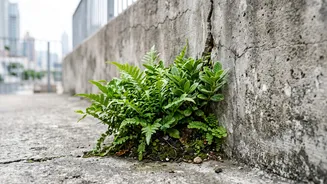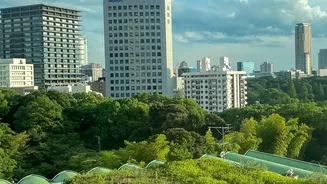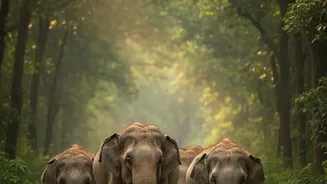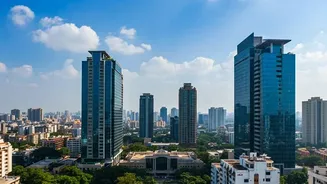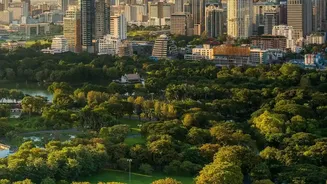




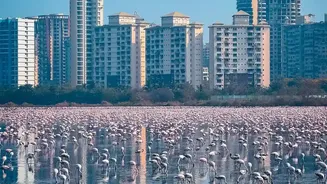
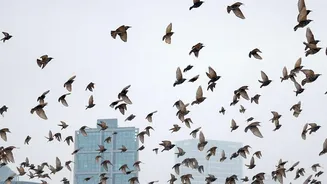
When we picture a city, we often think of a concrete jungle, largely devoid of nature. But look closer. From Mumbai to Delhi, a surprising number of wild animals are adapting to urban life, turning our built environments into their new homes.
The Rise of the Urban Animal
As urbanisation
reshapes the landscape across India and the world, a fascinating ecological phenomenon is unfolding: the rise of the 'synanthrope'. This term refers to wild species that live near and benefit from human-created environments. These are not domesticated animals, but wild creatures that have successfully adapted to thrive alongside us. For these adaptable species, cities offer an unexpected bounty. Abundant food from garbage bins and human handouts, shelter in buildings and drains, and fewer natural predators create a unique ecosystem where they can flourish. In fact, for some species like raccoons and foxes, population densities can be even higher in cities than in their traditional rural habitats.
Masters of Adaptation: India's Urban Wildlife
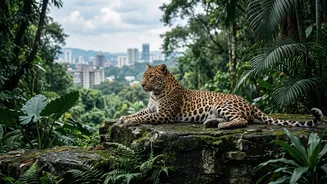
India's bustling metropolises offer compelling examples of this trend. In Mumbai, leopards from the adjacent Sanjay Gandhi National Park have learned to navigate the urban fringe, using railway lines and drains as corridors to hunt stray dogs and pigs. Studies in cities like Indore and Jabalpur show leopards adapting their diets to include livestock and domestic animals, showcasing their resourcefulness. Meanwhile, in Delhi and Jaipur, rhesus macaques and langurs have made temples and old buildings their new forests, becoming adept at sourcing food from markets and residents. It's not just mammals; snakes like the Indian rat snake find refuge in gardens and construction sites, playing a crucial role in controlling rodent populations.
What Makes a City an Appealing Habitat?
From an animal's perspective, a city is a landscape of opportunity. Skyscrapers and tall buildings can mimic the cliffs where birds like peregrine falcons naturally nest, offering high, safe perches from which to hunt pigeons. The 'urban heat island' effect makes cities warmer than surrounding rural areas, providing a more stable climate. Man-made structures, from the undersides of bridges to abandoned lots and cozy attics, offer countless nooks and crannies for shelter. Most importantly, cities provide a constant and reliable food supply. This calorie-dense environment, fueled by human waste and unsecured refuse, means animals expend less energy foraging than they would in the wild. This combination of food, shelter, and relative safety from larger predators allows urban wildlife populations to grow.
An Uneasy Coexistence
While the adaptation of wildlife is remarkable, it is not without challenges. The increased proximity between humans and animals inevitably leads to more frequent interactions, which can range from benign to conflicting. Human-wildlife conflict can involve property damage, such as raccoons raiding garbage bins, or more serious safety concerns. Roads pose a significant threat, leading to vehicle collisions that are a major source of mortality for many urban animals. There are also public health considerations, as closer contact can increase the risk of zoonotic disease transmission. These challenges highlight the complex reality of sharing our urban spaces and the need for thoughtful management of these new relationships.
Designing for a Shared Future
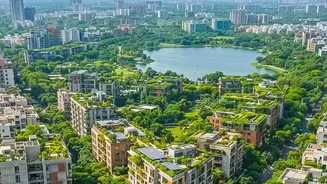
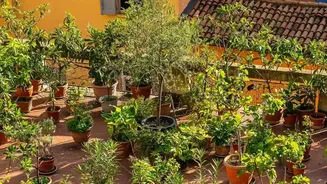
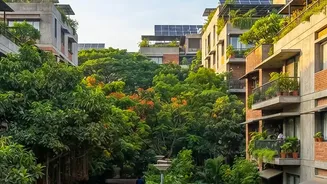
Recognizing that wildlife is becoming a permanent feature of our cities, a new approach to urban planning is emerging: 'wildlife-inclusive urban design'. This concept involves integrating the needs of animals directly into the fabric of the city. Strategies include creating green corridors to connect fragmented habitats, allowing animals to move safely between parks and other green spaces. Other measures involve preserving and creating more green spaces like parks and vertical gardens, promoting the use of native plants that provide food and shelter for local species, and implementing bird-friendly building standards to prevent collisions with glass windows. By planning for coexistence, cities can become healthier ecosystems for all their inhabitants, human and animal alike.