


The Modern Health Halo
The primary driver behind dalia's resurgence is its impeccable health profile, which aligns perfectly with modern wellness goals. Made from cracked wheat, dalia is a complex carbohydrate powerhouse. This means it releases energy slowly, keeping you full
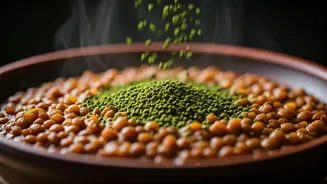
for longer and preventing the dreaded sugar crash. It's packed with fibre, which is crucial for digestive health and managing cholesterol. For the growing number of people monitoring their blood sugar, dalia’s low glycemic index makes it an ideal choice. In an era where 'clean eating' and macronutrient tracking are commonplace, vegetable dalia ticks all the boxes: high in fibre, moderate in protein (especially when cooked with lentils), and a great source of essential vitamins and minerals from the added vegetables.
Shedding the 'Sick Food' Stigma
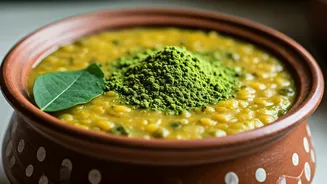
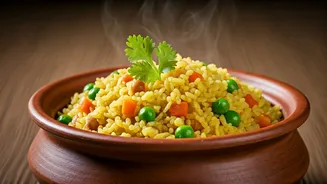
For generations, dalia was affectionately (or not so affectionately) known as 'bimari ka khana' — food for the sick. Its easy digestibility made it a go-to meal during recovery. While that benefit remains, the perception is changing. Chefs, home cooks, and food influencers are reclaiming dalia from the confines of the sickroom. They are proving that it’s not just bland porridge but a versatile base for flavour. By tempering it with aromatic spices like cumin and asafoetida, loading it with colourful vegetables, and finishing it with a dollop of ghee and fresh coriander, dalia is being repositioned as a hearty, satisfying, and delicious one-pot meal for any day of the week, not just sick days.
The 'Ghar Ka Khana' Revival
There's a palpable cultural shift happening across India—a collective return to our roots. The post-pandemic world, in particular, has seen a renewed appreciation for traditional, home-cooked meals ('ghar ka khana'). People are looking for comfort, nostalgia, and the assurance of wholesome ingredients. Vegetable dalia is the epitome of this movement. It’s a dish that reminds many of their childhood, of their mother's or grandmother's cooking. This trend is not about rejecting modern cuisine but about re-embracing the simple, time-tested wisdom of our own culinary heritage. Dalia represents a connection to a simpler, healthier way of eating that feels both authentic and incredibly relevant right now.
Instagram-Worthy Makeovers
In the age of social media, we eat with our eyes first. While a simple bowl of dalia might not seem 'Instagrammable', the new wave of food bloggers says otherwise. They are giving it a visual glow-up. Think vibrant bowls bursting with green peas, orange carrots, and red tomatoes, artfully garnished with fresh herbs, a swirl of yogurt, or a sprinkle of toasted nuts and seeds. These beautiful presentations are shattering the 'boring' stereotype and inspiring a new generation to try the dish. Recipe variations are also flooding feeds, from masala vegetable dalia and dalia upma to even savoury dalia pancakes, showcasing its incredible versatility and making it exciting again.
The Practical Choice for Modern Life
Beyond trends and tradition, dalia’s popularity is soaring for a very practical reason: it fits seamlessly into our busy, budget-conscious lives. It's a one-pot meal, which means less time spent cooking and cleaning. The ingredients—cracked wheat, seasonal vegetables, and basic spices—are affordable and readily available in any Indian kitchen. For young professionals, new parents, and anyone looking for a quick, nutritious weeknight dinner, vegetable dalia is a lifesaver. It’s a meal that delivers maximum nutritional benefit with minimum fuss and expense, making it an incredibly smart choice in today’s economic climate.