



From Packaged Foods to Heritage Plates
Remember the rush of the 90s and 2000s? Supermarket aisles exploded with colourful packages promising convenience and exotic flavours. For a generation, modern eating meant moving away from the dal, roti, and sabzi of our parents and towards pastas, cereals,
and two-minute noodles. But the pendulum is swinging back. Across urban India, a significant shift is underway. Health-conscious consumers, millennials, and young families are looking past the glossy packaging and back towards the ingredients that have nourished Indians for centuries. This isn't just about nostalgia; it's a conscious choice driven by a desire for better health, sustainability, and a connection to our cultural identity. The 'dabba' is cool again, and what's inside is changing.
The Mighty Millet's Grand Comeback
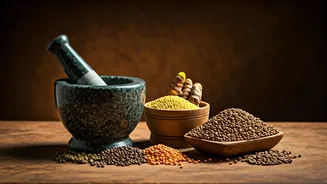
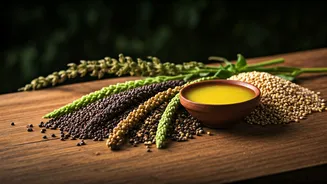
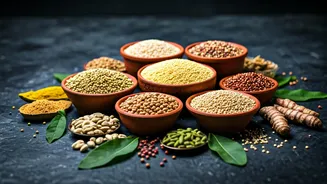
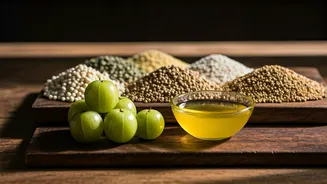
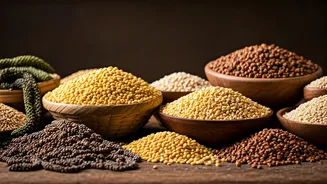
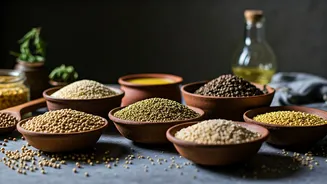
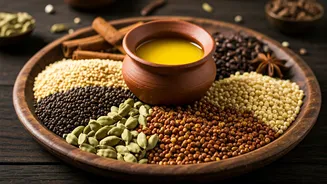
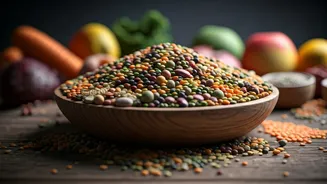
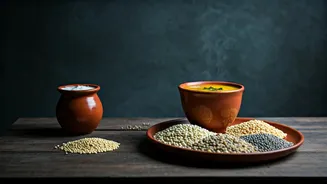
At the forefront of this culinary renaissance are millets. Once dismissed as 'coarse grains' or food for rural areas, jowar, bajra, ragi, and other millets are now starring on the menus of five-star restaurants and filling the shelves of organic stores. Their resurgence is no accident. Declared the 'International Year of Millets' in 2023 by the UN at India’s behest, these ancient grains are being celebrated for their incredible resilience and nutritional profile. They are gluten-free, high in fibre, packed with protein and micronutrients, and have a low glycemic index, making them ideal for managing diabetes and weight. Moreover, they are climate-smart crops, requiring far less water than rice and wheat, which resonates with a growing eco-conscious consumer base. From ragi dosas to jowar rotis and foxtail millet upma, Indians are rediscovering the versatility and earthy goodness of these heritage grains.
Beyond Grains: Ghee, Spices, and Ferments
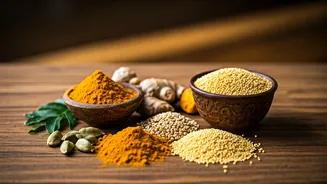
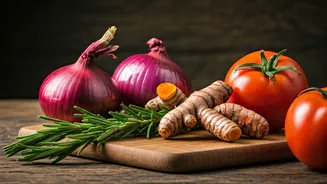
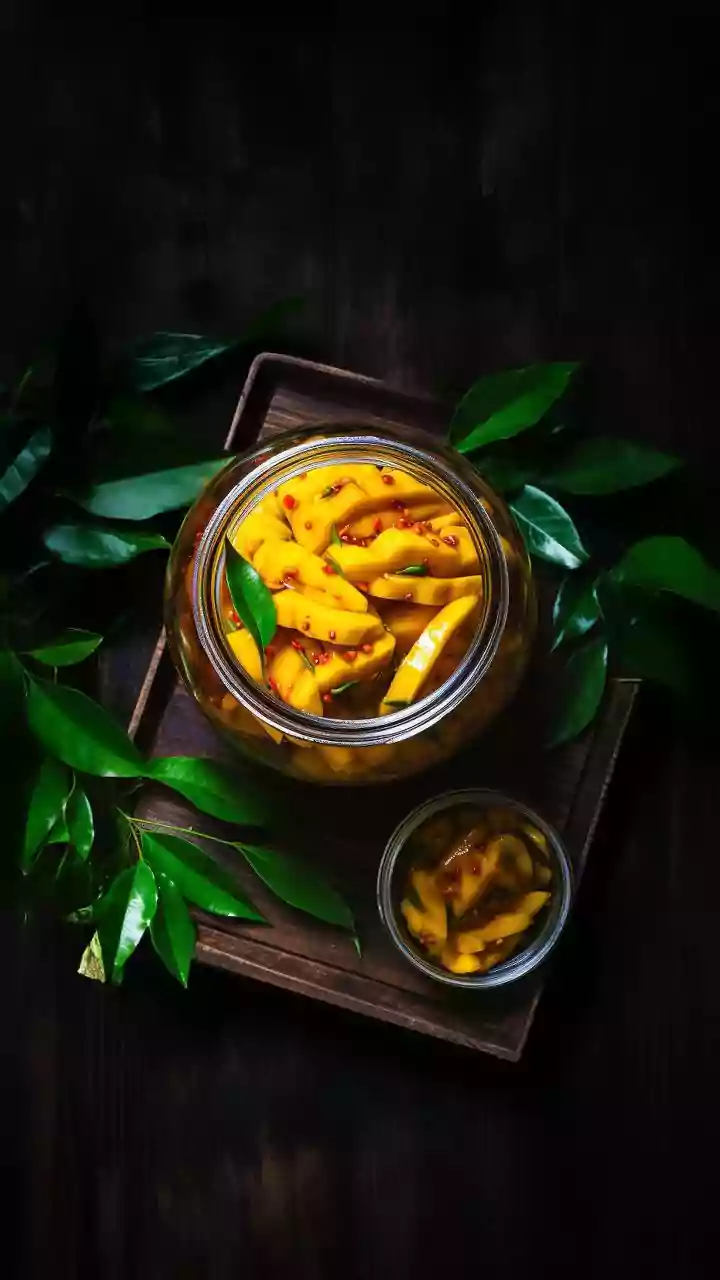
The movement extends far beyond just one type of grain. Take ghee, for instance. For decades, it was demonised as a fattening villain, replaced in our kitchens by refined vegetable oils. Today, science has vindicated our grandmothers. Pure, A2 cow ghee is now celebrated as a superfood, rich in healthy fats, fat-soluble vitamins, and butyric acid, which is great for gut health. Similarly, there’s a renewed appreciation for the pharmacy in our spice boxes. Turmeric isn’t just for colour anymore; it’s for curcumin’s anti-inflammatory power. We are looking at ashwagandha for stress relief and moringa for its nutrient density. Traditional practices like fermenting foods (idli, dosa, dhokla) and making pickles at home are also being recognised not just for flavour, but for their probiotic benefits that are crucial for a healthy microbiome.
Why Now? The Drivers of the Shift
Several factors are fuelling this return to roots. The COVID-19 pandemic was a major catalyst, forcing a global conversation around immunity and metabolic health. People began questioning the impact of ultra-processed foods on their bodies and sought out whole, natural alternatives. This health awakening coincided with a growing desire for authenticity. In a globalised world, many are seeking to connect with their heritage through food. Eating local and seasonal produce is no longer just a recommendation from our elders; it's a principle of sustainable living. Finally, information is more accessible than ever. Nutritionists, wellness influencers, and chefs are using social media to demystify traditional diets and present them in a modern, appealing context, making ancient wisdom relevant for a new generation.
Modern Science Validates Ancient Wisdom
Perhaps the most powerful aspect of this trend is that it isn’t a blind return to the past. It’s an informed one, where ancient practices are being validated by modern scientific research. Studies now confirm the benefits of the diverse phytonutrients found in traditional Indian thalis. The concept of 'eating the rainbow' through various vegetables and dals is being scientifically proven to foster a diverse gut microbiome. The Ayurvedic principle of eating according to seasons is now understood as the best way to get peak nutrition from produce. This fusion of old-world knowledge and new-world evidence makes the shift feel less like a fad and more like a sustainable, intelligent evolution of how we eat.