




The Building Blocks of Muscle
When you work out, you create tiny tears in your muscle fibres. To repair this damage and build stronger muscles, your body needs protein. Protein is made up of smaller units called amino acids. There are 20 different amino acids, but nine of them are called 'essential
amino acids' (EAAs) because your body can't make them on its own; you must get them from the food you eat. Think of these nine EAAs as a complete team needed to get the job of muscle repair done efficiently. If even one is missing, the whole process can be slowed down.
The Incomplete Protein Puzzle
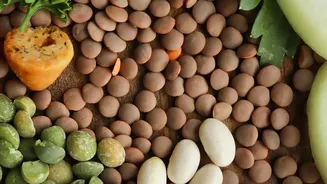
Most animal-based proteins like meat, eggs, and dairy are 'complete proteins', meaning they contain all nine essential amino acids in sufficient amounts. However, most individual plant-based foods are considered 'incomplete'. This doesn't mean they are bad; it simply means they are low in one or more of the essential amino acids. For example, legumes like dals, chickpeas, and beans are rich in the amino acid lysine but are often low in methionine. On the other hand, whole grains like rice and wheat are low in lysine but contain methionine. This is the puzzle that vegetarians need to solve to ensure optimal muscle recovery.
The Simple Science of Pairing
The solution is a simple yet powerful nutritional strategy called 'protein complementation'. By combining two or more plant foods that have different amino acid profiles, you can create a meal that provides all nine essential amino acids, effectively forming a complete protein. The most classic and effective pairing is combining legumes with whole grains. The lysine that is abundant in legumes fills the gap in grains, while the methionine in grains completes the profile of the legumes. Together, they form a complete and powerful protein source perfect for rebuilding muscle tissue after exercise.
Your Plate, Your Powerhouse
The good news is that Indian cuisine has been doing this for centuries, often without us even thinking about the science behind it. Many of our most beloved comfort foods are perfect examples of complementary proteins. Some classic combinations that will boost your muscle recovery include: Dal and Rice (Dal Chawal): This is perhaps the most iconic example. The lentils (dal) and rice work together to provide a full amino acid profile. Roti and Dal: Whole wheat roti paired with any dal is another daily staple that ensures you are getting a complete protein. Rajma or Chole with Rice: A weekend favourite across India, kidney beans or chickpeas served with rice is a delicious and protein-packed meal. Idli or Dosa with Sambhar: Made from a fermented batter of rice and urad dal, this South Indian classic is a complete protein powerhouse even before the sambhar (lentil stew) is added. * Khichdi: This one-pot meal of rice and moong dal is not just comforting but also a nutritionally complete food, ideal for recovery.
Making It Work for You
To maximise muscle recovery, it's beneficial to consume a protein-rich meal within a couple of hours after your workout. This helps your muscles get the amino acids they need to start repairing and rebuilding right away. You don't necessarily have to eat complementary proteins in the exact same meal, as your body maintains a pool of amino acids throughout the day. However, for post-workout recovery, having them together ensures all the necessary building blocks are available at the same time. Beyond grains and legumes, some plant foods like soy (tofu, edamame), quinoa, and chia seeds are complete proteins on their own and can be great additions to your diet.