







The Core Idea: Sunlight to Hot Water
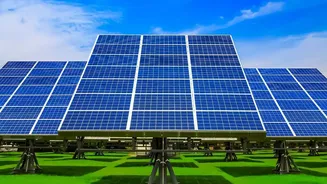
At its heart, a solar water heater does exactly what its name suggests: it uses the sun's thermal energy to heat water. Unlike solar photovoltaic (PV) panels that convert sunlight into electricity, these systems are thermal, meaning they capture heat directly.
The entire setup generally consists of three main parts: a solar collector to absorb the sun's warmth, an insulated storage tank to keep the water hot, and pipes to connect everything. The goal is to capture solar radiation, transfer that heat to water, and store it until you need it, significantly cutting down on gas or electricity bills.
The Engine: The Solar Collector
The most visible part of the system is the solar collector, usually mounted on your roof. This is where the magic begins. The collectors are designed to absorb as much solar radiation as possible and convert it into heat. Inside the collector, a dark-colored absorber plate or a series of tubes heats up when exposed to sunlight. This heat is then transferred to a fluid—sometimes the water itself, sometimes a special heat-transfer fluid—that flows through the collector. There are two dominant designs for these collectors: flat-plate collectors and evacuated-tube collectors.
Flat-Plate Collectors: The Classic Workhorse
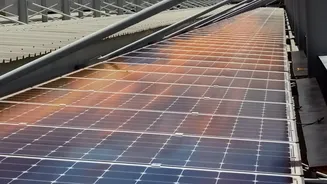
A flat-plate collector is essentially an insulated, weatherproofed box containing a dark absorber plate under a sheet of glass. As sunlight passes through the glass, it heats the plate, which in turn heats the fluid flowing through tubes attached to it. These are the most common type of collector, known for their robustness and cost-effectiveness, especially in sunny and temperate climates. While they can lose some heat in colder, windier weather, their simple design makes them a durable and popular choice for many homes.
Evacuated-Tube Collectors: The Modern Performer
Evacuated-tube collectors take a different approach. They consist of a series of glass tubes, each containing an absorber tube in a vacuum. This vacuum acts as a superior insulator, much like in a thermos flask, preventing the collected heat from escaping. This makes them highly efficient, especially in cold or overcast climates where flat-plate collectors might struggle. Although they are typically more expensive, their ability to retain heat makes them a powerful option for year-round performance, even in freezing conditions.
Moving the Heat: Circulation Systems
Once the fluid in the collector is hot, it needs to get to the storage tank. This happens in one of two ways: passively or actively. Passive systems have no moving parts and rely on natural convection—the tendency for hot water to rise—to circulate the water. For this to work, the storage tank must be placed above the collector. These systems are simpler and cheaper but less efficient. Active systems use a small electric pump and a controller to move the fluid. This makes them more efficient and flexible, as the tank can be placed anywhere, but it also adds complexity and cost.
Keeping it Hot: The Insulated Tank
The final destination for all that captured warmth is a heavily insulated storage tank. This tank holds the solar-heated water, keeping it hot until you turn on a tap. In many systems, particularly 'indirect' ones used in colder climates, the hot fluid from the collectors circulates through a heat exchanger (like a coil) inside the tank, transferring its heat to the domestic water without ever mixing. Most systems also include a conventional backup heater, either electric or gas, to ensure you never run out of hot water, even after several cloudy days.