




An Ancient Food's Modern Revival
Long before kombucha lined grocery store shelves, a simple, fermented food was a breakfast staple for farmers and laborers in South India. Known as pazhanthanji, or neeragaram, this porridge made from leftover rice was valued for its ability to provide
steady energy and cool the body for a long day of work. Now, in an era obsessed with gut health, natural probiotics, and whole foods, this traditional dish is being rediscovered. Fitness enthusiasts and wellness seekers are looking past processed supplements and toward ancestral wisdom, drawn to pazhanthanji’s reputation as a natural, nutrient-dense powerhouse.
What Exactly Is Pazhanthanji?
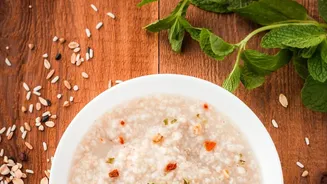
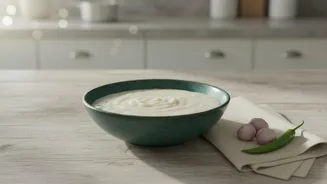
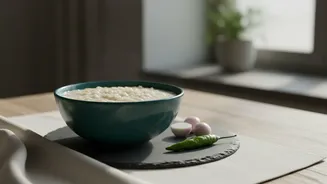
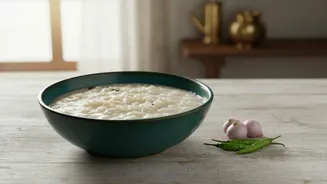
The beauty of pazhanthanji lies in its simplicity. It’s made by taking cooked leftover rice, covering it with water (traditionally in an earthen pot), and letting it sit overnight to ferment. By morning, a natural fermentation process has transformed the simple rice and water into a tangy, slightly sour porridge. Traditionally, it’s mashed by hand and consumed with accompaniments like shallots, green chilies, yogurt, or pickles to add flavor and extra nutrients. It was a dish born of frugality and practicality—a way to ensure no food went to waste while creating a meal that was both hydrating and fortifying.
The Science Behind the Superfood Status
The overnight fermentation is where the magic happens. This process encourages the growth of beneficial lactic acid bacteria, turning the porridge into a natural probiotic. These probiotics are essential for a healthy gut microbiome, which can aid digestion and support the immune system. Fermentation also breaks down anti-nutrients like phytic acid in the rice. This makes minerals such as iron, calcium, and potassium more available for the body to absorb. Studies have shown that fermentation can also increase the levels of B vitamins. The resulting porridge is not only easier to digest but also packed with more bioavailable nutrients than plain cooked rice.
From Farm Fields to Fitness Fuel
So how does a farmer's breakfast fit into a modern fitness regimen? The connection is surprisingly strong. As a natural source of carbohydrates, pazhanthanji provides sustained energy without the sharp blood sugar spike associated with more processed carbs, thanks to the creation of resistant starch during the cooling and fermentation process. This makes it an excellent option for pre-workout fuel or post-workout recovery. Its high water content helps with hydration, which is crucial after exercise. For those looking to build lean muscle and maintain a healthy metabolism, a nutrient-dense, easily digestible food like pazhanthanji is a compelling alternative to sugary sports drinks and artificial protein bars. It aligns perfectly with the growing trend of eating whole, unprocessed foods to support physical performance.
A Taste of Tradition You Can Try
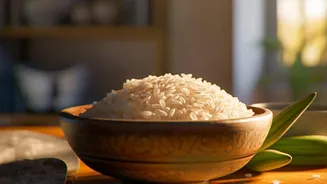
Curiosity piqued? Making a basic version of pazhanthanji at home is incredibly simple. Just take leftover cooked rice (many traditionally use short-grain varieties), place it in a bowl or clay pot, and add enough water to cover it completely. Cover the container and let it sit on your counter overnight for at least 8 hours. In the morning, the water will be slightly cloudy and the mixture will have a mild, tangy aroma. Mash the rice a bit with a spoon or your hand, stir in a pinch of salt, and it’s ready. For a more traditional and flavorful experience, mix in some plain yogurt, chopped shallots or onions, and a bit of chopped green chili. It’s a refreshing, nourishing, and surprisingly delicious way to start the day.