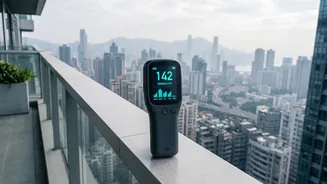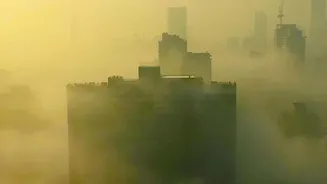





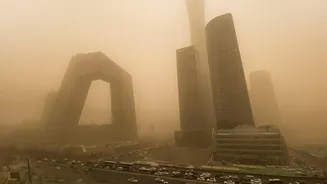

As the festive lights of Diwali adorn our homes, an unwelcome haze often settles over our cities. But you can now track air quality in real-time, thanks to digital tools from India's Pollution Control Boards, helping you celebrate more safely.
The Unwelcome Guest: Diwali Smog
Diwali is
a time of joy, but the accompanying spike in air pollution is a serious health concern. The smoke from firecrackers releases a dangerous mix of pollutants, including fine particulate matter (PM2.5 and PM10), sulfur dioxide, and carbon monoxide. These pollutants, combined with seasonal weather patterns like lower temperatures and slower winds, trap smog close to the ground, causing the Air Quality Index (AQI) in many cities to skyrocket into the 'Severe' category. This thick haze can trigger or worsen respiratory issues like asthma and bronchitis, cause eye irritation, and lead to broader health complications, especially for children and the elderly.
Your Pocket Pollution Monitor: The SAMEER App
To empower residents, the Central Pollution Control Board (CPCB) developed an official mobile application called SAMEER. Think of it as a government-validated pollution widget right on your phone. Available for both Android and iOS, the app provides hourly AQI updates for over 100 cities across India. It uses a simple, color-coded system to display air quality levels, making it easy for anyone to understand the risk at a glance. An enhanced version also includes features like interactive maps to find nearby monitoring stations and the ability to receive personalised alerts. This makes it an essential tool for checking the air before stepping out during the festive season.
How to Use the App and Understand the Data
Using SAMEER is straightforward. After downloading, you can view a list of cities or use a map to see the AQI in different locations. The app translates complex data into six categories: 'Good' (green), 'Satisfactory' (light green), 'Moderate' (yellow), 'Poor' (orange), 'Very Poor' (red), and 'Severe' (maroon). Each category comes with health advisories. For instance, a 'Severe' reading advises everyone to avoid outdoor activity. The index is calculated based on eight major pollutants, but the most critical to watch are PM2.5 and PM10, tiny particles that can penetrate deep into the lungs and even enter the bloodstream. Beyond just monitoring, the app also allows users to register public complaints about issues like garbage burning or industrial pollution, complete with pictures.
Beyond the App: Real-Time Web Dashboards
If you prefer not to download an app, you're still covered. Many State Pollution Control Boards (SPCBs), like the Delhi Pollution Control Committee (DPCC), host real_time data dashboards on their websites. These websites often feature interactive maps that show live AQI data from various monitoring stations across a city. The CPCB itself also has a national web_based dashboard. These online portals provide the same critical information as the app, detailing pollutant levels and overall AQI. This is particularly useful for getting a quick overview on a computer before planning your day's activities, ensuring everyone has access to vital air quality information.
Turning Information Into Action
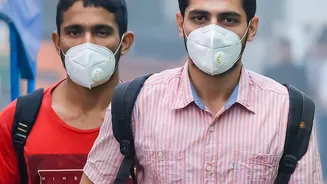
Knowing your local AQI is the first step; taking action is what truly protects your health. When pollution levels are 'Poor' or worse, it's wise to modify your routine. Health experts advise reducing strenuous outdoor activity, especially for sensitive groups. On days with 'Very Poor' or 'Severe' air quality, try to stay indoors as much as possible with windows closed. If you must go out, wearing a well_fitted N95 mask is highly recommended, as cloth masks offer little protection against fine particulate matter. Inside the home, using an air purifier with a HEPA filter can significantly improve indoor air quality. These simple, informed decisions can make a huge difference in safeguarding your family’s well_being during Diwali.