

The Anatomy of a Glacial Threat
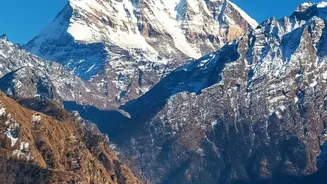
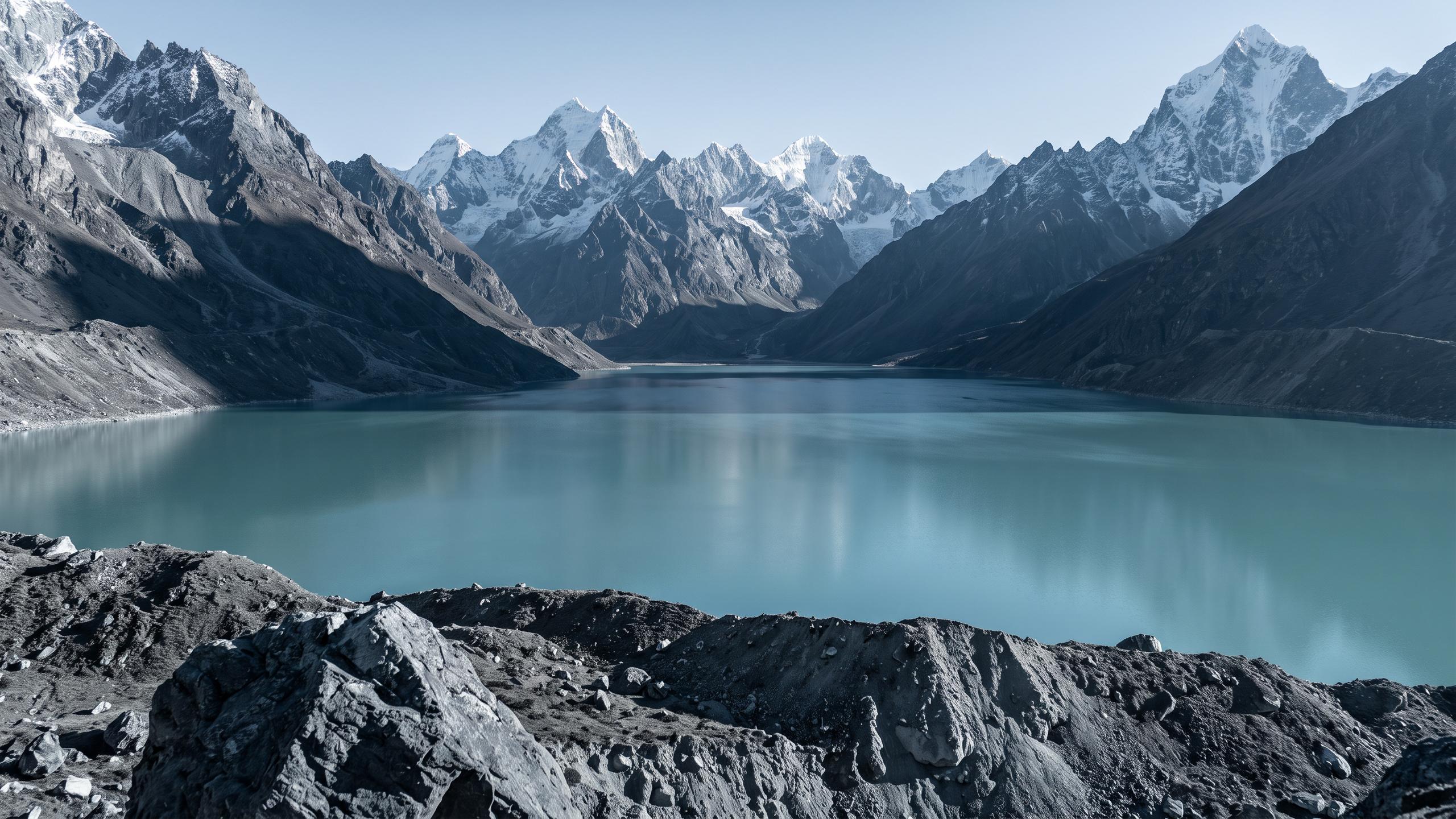
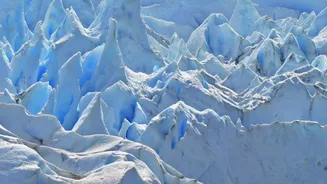
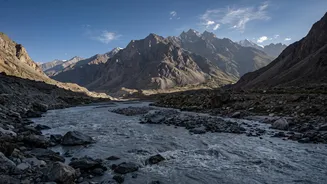
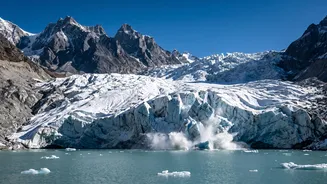
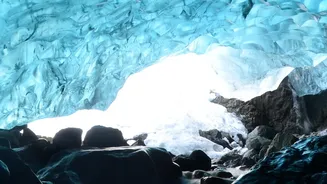
High in the Himalayas, glaciers are retreating due to rising global temperatures. As these massive rivers of ice melt, they leave behind vast amounts of water that pool into lakes. These are known as glacial lakes, and they are often held in place only
by unstable natural dams made of moraine—a loose mixture of rock, soil, and ice left behind by the receding glacier. The Himalayas are home to thousands of these lakes, and many are growing at an alarming rate. According to the International Centre for Integrated Mountain Development (ICIMOD), dozens of these lakes in Nepal and across the border in Tibet are classified as potentially dangerous, acting like ticking time bombs perched above downstream communities.
The Trigger: A Sudden Failure
A Glacial Lake Outburst Flood (GLOF) happens when the fragile moraine dam fails. This can be triggered in several ways. An avalanche of rock or ice can plunge into the lake, creating a massive wave that overtops and erodes the dam. An earthquake, common in the seismically active Himalayas, can also destabilize the dam. Increasingly, however, the trigger is simply the warming climate itself. As temperatures rise, the ice core within the moraine dam can melt, weakening the structure from the inside until it can no longer hold back the immense pressure of the lake water. Sometimes, a part of the glacier itself can simply collapse, blocking a river and forming a temporary dam that eventually bursts, releasing a devastating surge of water and debris downstream.
From Lake to Lethal Deluge
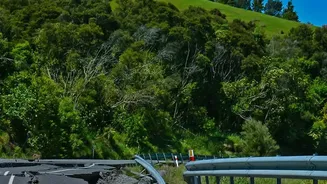
Once the dam is breached, the event unfolds with terrifying speed. Millions of cubic meters of water are released in a matter of hours, creating a flash flood of incredible destructive power. This is not just a wall of water; it's a thick, slurry-like flow mixed with mud, boulders, and ice. As it charges down the steep mountain valleys, it gathers more debris, growing in volume and force. This destructive torrent can destroy bridges, roads, and hydropower plants—critical infrastructure for Nepal's economy. The sheer force can wipe entire villages off the map, often with very little warning for the residents below. Such events can be so powerful that the ground shaking from the landslide and debris flow can even be registered as a seismic event by monitors thousands of miles away.
A Himalayan Ticking Clock
These GLOF events are not isolated incidents but a direct consequence of climate change in the world's 'Third Pole'. The Himalayan region is warming at a rate significantly faster than the global average. This accelerated warming is causing rapid glacial retreat, leading to both the formation and expansion of potentially dangerous glacial lakes. Since 1977, Nepal has experienced over two dozen GLOFs, and scientists project that these events will become more frequent and intense as the climate continues to warm. The threat is clear and present, with studies indicating that up to 80% of the Himalayan glacial reserve could vanish by 2100 if emissions are not curbed, drastically increasing flood risks for millions.
Why Nepal's Disaster Matters to India
The Himalayas are a shared water tower, and disasters that begin in Nepal do not respect international borders. Major rivers like the Gandak (Narayani) and Koshi flow from Nepal into the densely populated plains of Bihar and Uttar Pradesh in India. A GLOF event in Nepal can send a catastrophic flood wave downstream, threatening Indian communities hours or days later. This has led to the development of cross-border early warning systems, where information about rising river levels is shared between communities and government agencies in both countries, often via phone calls and WhatsApp groups. While these systems have saved lives, experts agree that more formal, robust, and technologically advanced cooperation is essential to protect the 1.6 billion people downstream who depend on the glacial system and are vulnerable to its collapse.