




Festive seasons in India bring joy, family, and an array of tempting sweets. For those managing diabetes, it can feel like a choice between celebration and health. But it doesn't have to be. Let's explore how you can indulge your sweet tooth, responsibly.
The Principles of Healthier Sweets
Managing diabetes doesn't mean bidding farewell to all desserts. The key lies in understanding how ingredients affect blood sugar. Traditional Indian sweets are often high in refined sugar and refined flours (like maida), which have a high glycemic index (GI) and can cause rapid spikes in glucose levels. The modern approach focuses on smart substitutions. This involves using flours with more fibre, protein, and healthy fats, which slow down digestion and the release of sugar into the bloodstream. Think of it not as restriction, but as a creative culinary challenge to reinvent the classics in a healthier way.
Smart Ingredient Swaps for Your Pantry
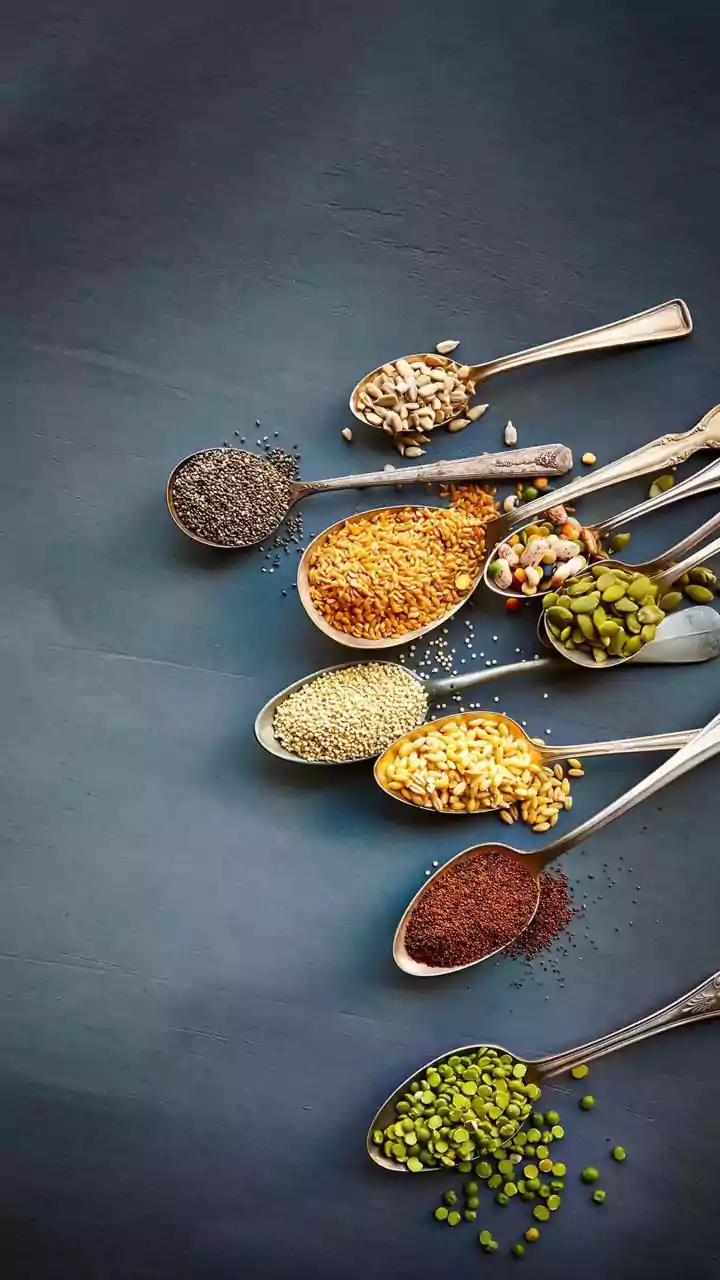
The first step is rethinking your core ingredients. Instead of refined sugar, you can explore natural, low-GI sweeteners. Stevia and monk fruit are plant-based, zero-calorie options that don't impact blood sugar levels, making them popular choices. However, it's important to note they can be much sweeter than sugar and may have a slight aftertaste for some people. For flour, swap out maida for alternatives like besan (chickpea flour), ragi (finger millet flour), jowar (sorghum flour), or almond and coconut flours. These are rich in fibre and protein, adding nutritional value and helping to maintain steadier blood sugar. Using nuts, seeds, and healthy fats like ghee not only adds flavour and texture but also contributes to satiety and slows glucose absorption.
Reimagining Traditional Indian Mithai
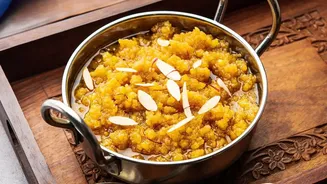
With these new pantry staples, you can give your favourite sweets a diabetes-conscious makeover. For a creamy kheer, try using oats or makhana (fox nuts) instead of rice, and sweeten it with a few drops of stevia or finely chopped dates. Ladoos can be made with roasted oats and nuts, bound together with a small amount of date paste instead of a sugar-laden syrup. Even halwa can be adapted; a lauki (bottle gourd) or carrot halwa can be prepared with milk and sweetened naturally, offering a lighter alternative to semolina-based versions. The trick is to focus on the natural sweetness of the core ingredients, like carrots or apples, and enhance it with spices like cardamom and cinnamon rather than relying solely on sugar.
The Golden Rule: Portion Control Matters Most
Even the healthiest dessert should be enjoyed in moderation. Portion control is a crucial strategy for managing blood sugar during festive times. Rather than having a large serving, opt for a small bowl or cut a larger sweet into quarters to share. It's also wise to enjoy your sweet treat as part of a balanced meal, not on an empty stomach. Pairing a dessert with a meal that contains protein and fibre can help blunt the impact on your glucose levels. A short walk after a meal can also aid in managing post-meal blood sugar spikes. Monitoring your levels can provide valuable feedback on how your body responds to different treats, helping you make informed choices in the future.