





The Ancient Secret to Deeper Flavour
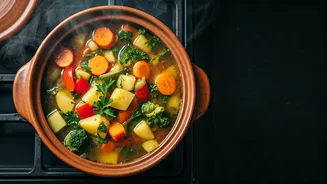
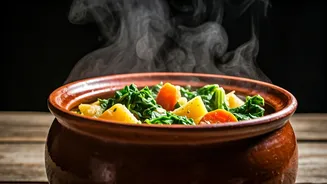
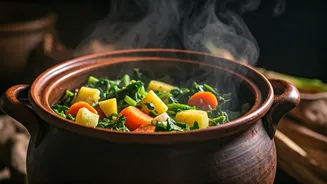
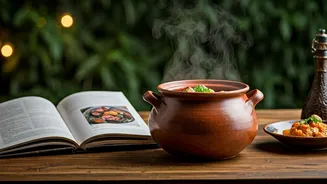
Long before stainless steel and non-stick pans became kitchen staples, clay was the vessel of choice across civilizations. [5] There’s a reason this ancient method has endured: it fundamentally changes the way food cooks. Unlike metal, which can heat
up quickly and create harsh hot spots, clay offers a gentle, even heat. [3, 13] This slow, steady cooking process allows ingredients in a stew to meld together harmoniously, letting complex flavours develop without the sharp edges that can result from rapid cooking. The result is a dish that tastes more composed, layered, and deeply comforting. [3]
The Science of Porous Clay
The magic lies in the material itself. Earthenware is naturally porous, which allows it to breathe. [2] During cooking, the pot absorbs moisture and then allows for the slow circulation of steam. [5, 9] This creates a self-basting effect, keeping meats tender, vegetables juicy, and preventing the stew from drying out. [2, 3] This gentle steaming process not only locks in moisture but also helps retain the food's natural nutrients, many of which can be lost with the escaping steam in conventional metal pots. [4, 12, 19] The porous nature also imparts a subtle, yet distinct, earthy note to the food—a flavour that simply cannot be replicated by any other type of cookware. [3, 21]
Balancing Acidity for a Richer Taste
Another remarkable benefit of cooking in clay is its alkaline nature. [5, 9] Many stews feature acidic ingredients like tomatoes, which can sometimes lend a sharp taste. When cooked in an earthen pot, the clay interacts with these acids, neutralizing the pH balance of the food. [4, 10, 12] This seemingly small chemical reaction has a significant impact on flavour, making tomato-based gravies taste naturally sweeter and richer. [10, 13] It softens any harshness, resulting in a smoother, more balanced dish that’s also easier to digest. [9, 10]
Getting Started: Seasoning and Care
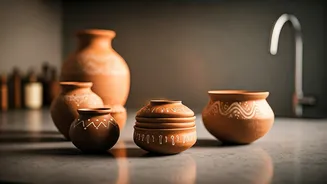
Before you begin, an unglazed earthen pot needs to be seasoned. This crucial step strengthens the pot and prevents it from cracking under heat. [11] The most common method involves soaking the pot and its lid completely in water for at least eight hours, or even overnight. [6, 11, 18] After soaking, it should be dried thoroughly. Some methods then suggest rubbing the pot with cooking oil or boiling rice water inside it to seal the pores properly. [6, 18] When it comes to cleaning, avoid using soap, as the porous clay can absorb it. Instead, use hot water, baking soda, and a gentle scrubber. [11, 17]
Tips for Perfect Earthen Pot Stews
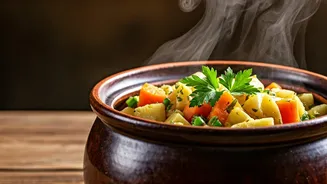
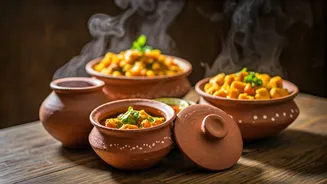
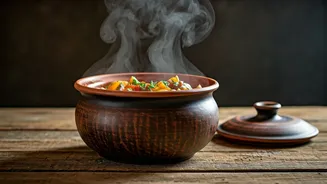
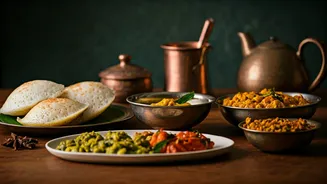
Cooking in clay requires a slight shift in technique. Always start with a low heat and increase it gradually; placing a cold pot on a very hot stove can cause it to crack. [11, 17] Similarly, never place a hot pot on a cold surface. [14] Earthen pots are ideal for slow-cooked dishes like dal makhani, rogan josh, Kerala's spiced chicken stews, and vegetable kormas. [20, 23] Tougher cuts of meat become incredibly tender, and root vegetables absorb the surrounding spices beautifully. [2] Because clay retains heat so well, your stew will continue to cook for a little while after you've turned off the flame and will stay warm long after being brought to the table. [2, 12]