





The Technological Foundation: Aircraft Control
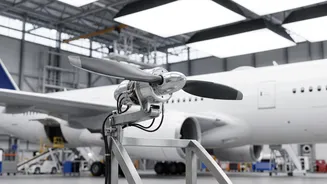
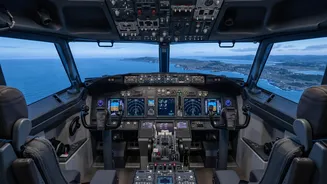
At the first layer of safety is the aircraft itself, an incredibly complex machine designed with resilience at its core. Modern passenger jets are built with extensive redundancy, meaning critical systems have multiple backups. If one hydraulic line,
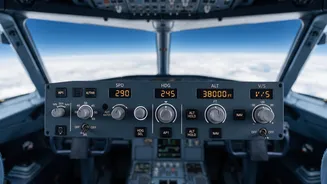
electrical generator, or navigation computer fails, another is ready to take its place instantly. This philosophy extends to the flight controls. Many aircraft today use fly-by-wire systems, where pilot inputs are sent to a computer that then moves the control surfaces. This allows the system to have built-in protections, preventing a pilot from making a control input that would put the plane in an unsafe state. Furthermore, automation, like the autopilot, plays a crucial role. By managing routine phases of flight, it reduces pilot workload, allowing the crew to focus on strategic oversight, monitoring weather, and system health. This technological safety net is designed to be robust and fault-tolerant.
The Human Element: Crew Response
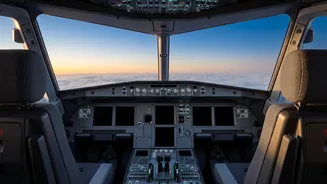
Technology is only half the equation. The human element, specifically the flight crew, forms the next critical layer of safety. Pilots and cabin crew undergo continuous, rigorous training far beyond basic flying skills. A cornerstone of this training is Crew Resource Management (CRM). Originating from accident investigations in the 1970s, CRM is a framework that emphasizes teamwork, communication, and decision-making. It moved aviation culture away from a rigid hierarchy, encouraging co-pilots and other crew members to voice concerns and cross-check actions. The goal is to use all available resources—people, procedures, and equipment—to operate safely. This includes not just the pilots but also coordination with flight attendants, maintenance, and air traffic control. CRM teaches crews how to manage workload, maintain situational awareness, and make sound decisions under immense pressure.
The Unpredictable Factor: The Emergency Situation
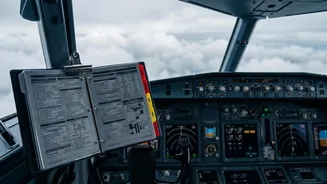
No two emergencies are identical. The nature of the situation itself dictates the response. A gradual cabin depressurization requires a different set of actions than a sudden engine failure on takeoff or a medical emergency in the cabin. This is why pilot training is so heavily reliant on scenario-based learning in full-flight simulators. These sessions allow pilots to practice a wide range of potential failures—from engine fires and hydraulic failures to electrical shorts—in a realistic but safe environment. The training focuses on following specific, standardized emergency checklists. The first and most important step in any emergency is always to maintain control of the aircraft. Only once the aircraft is stable will the crew begin troubleshooting the problem. This methodical approach ensures that the immediate safety of the flight is prioritized before diagnosing the secondary issue.
Putting It All Together In A Crisis
Imagine a multi-engine aircraft experiences a failure in one engine shortly after takeoff. This is a critical phase of flight, but one for which pilots are extensively trained. The aircraft’s systems would immediately alert the crew. The flight control technology is designed to help the pilot manage the asymmetric thrust. The crew's CRM training kicks in. They follow a practiced, methodical checklist: identify the failed engine, verify the failure, and perform the necessary actions to secure it. One pilot focuses on flying the plane, while the other manages the emergency checklist and communicates with air traffic control, declaring an emergency to get priority handling. They decide on the safest course of action, which is typically to return for a landing. Every action is deliberate, cross-checked, and part of a procedure that has been refined over decades and practiced hundreds of times in the simulator. It's the seamless interaction of machine, training, and procedure that turns a potentially dangerous event into a manageable one.