



Guarding Against Skin and Coat Issues
The single biggest challenge during the monsoon is the constant dampness. High humidity prevents your pet's coat from drying completely, creating a warm, moist environment perfect for bacterial and fungal growth. This often leads to skin infections like
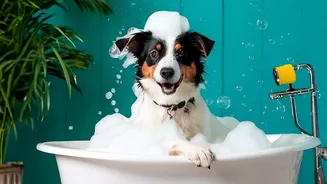
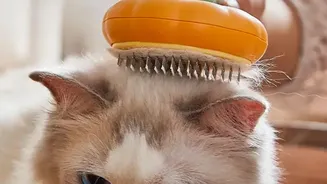
pyoderma or yeast dermatitis, causing itching, redness, and a musty odour. The most crucial preventative habit is to dry your pet thoroughly after every single walk. Pay special attention to their paws, belly, skin folds, and under the collar. For dogs with thick coats, a simple towel dry may not be enough; a pet-friendly hairdryer on a low-heat setting can ensure the undercoat is completely dry. Regular brushing is also vital to remove dirt, prevent matting, and improve air circulation to the skin.
Winning the War on Ticks and Fleas
The monsoon is peak season for ticks and fleas. These parasites thrive in warm, humid conditions and can cause not only severe itching and discomfort but also transmit dangerous diseases like tick fever. Proactive prevention is key. Consult your veterinarian for a suitable tick and flea prevention plan, which may include spot-on treatments, medicated collars, or oral tablets. It is crucial to use only vet-recommended products and never use a product intended for dogs on a cat. Perform daily checks on your pet's coat, especially in warm, hidden areas like inside the ears, between the toes, in the armpits, and around the tail base. Keeping your home clean by regularly vacuuming and washing your pet's bedding in hot water also helps to control infestations.
Paw Care is Paramount
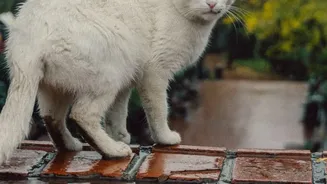
Your pet’s paws are constantly exposed to wet, muddy, and potentially contaminated surfaces during the monsoon. This makes them susceptible to infections like pododermatitis, an inflammation of the skin on the paws. The simple act of cleaning and drying their paws after every walk is one of the most effective preventive measures. Use a clean cloth to wipe away mud and debris, making sure to clean between the toes and pads. Keeping the fur between the paw pads trimmed can also help, as it reduces the amount of mud and moisture that gets trapped. Regularly inspect their paws for any signs of redness, swelling, or irritation.
Stomach Troubles and Water Safety
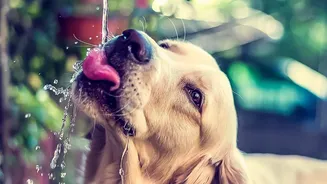
Water-borne diseases are a significant threat during the rains. Stagnant puddles and contaminated water sources can be breeding grounds for harmful bacteria and parasites like Giardia and Leptospira, which can cause severe gastrointestinal issues like vomiting and diarrhoea. Leptospirosis is particularly dangerous and can be transmitted to humans. Always provide your pet with fresh, clean drinking water; boiling or filtering tap water is a safer option. Never allow your pet to drink from puddles or stagnant water sources during walks. High humidity can also cause dry pet food to spoil or grow mould, so store it in an airtight container and check for freshness before serving.
Preventing Painful Ear Infections
The L-shaped ear canal of dogs, combined with the monsoon's high humidity, creates a perfect environment for ear infections (otitis). Moisture trapped in the ear canal allows yeast and bacteria to multiply, leading to inflammation, pain, and discharge. Breeds with floppy ears, like Cocker Spaniels and Beagles, are particularly prone to this issue. After every walk or bath, gently wipe the visible part of your pet's ears with a soft, dry cloth or cotton wool to remove excess moisture. Your vet might also recommend a specific ear-cleaning solution to help keep the canals dry. Regular ear checks for redness or unusual odour can help you catch problems early.
Dietary Adjustments and Indoor Fun
With shorter walks and less outdoor activity, your pet's energy expenditure may decrease during the monsoon. Some pets also experience a reduced appetite due to the humidity. Providing a balanced, easily digestible diet is important. High-quality wet food can help with hydration, while a simple meal of rice with lean protein like cooked chicken can be gentle on the stomach. Adding fibre from boiled vegetables like carrots or pumpkin can support digestive health. To combat boredom from being cooped up indoors, engage your pet with indoor games, puzzle toys, and training sessions to keep them mentally stimulated and physically active.