







The New Travel Blueprint
For decades, an international trip for many Indian families meant saving up for a singular, grand tour of Europe or the US. While those destinations still hold their allure, a significant shift is underway. Today’s Indian traveller is increasingly looking
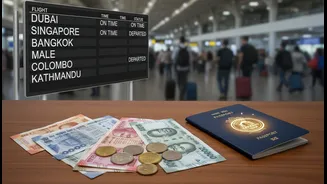
closer to home, with Southeast and West Asia emerging as the new hotspots. Destinations like Thailand, Vietnam, Indonesia (specifically Bali), Malaysia, and the UAE are no longer just alternatives; they are primary choices for millions. This trend is backed by a surge in numbers, with countries across Asia reporting a significant rise in Indian tourists, driven by a desire for experiences that are both enriching and accessible. The outbound travel market is booming, but its character is changing from a once-in-a-lifetime splurge to a more integrated and frequent part of the modern Indian lifestyle.
Pragmatism Trumps Prestige
The driving force behind this Asia-led wave is practicality. In an economic climate where value is paramount, many find that a trip to a nearby Asian country offers a better return on experience. The cost of a flight from a major Indian city to Thailand or Dubai can sometimes be comparable to, or even cheaper than, a cross-country flight within India itself. This affordability extends to accommodation, food, and activities, allowing for a richer itinerary without breaking the bank. For a budget that might cover a short trip to one European city, a traveller can enjoy a longer, more varied holiday in countries like Vietnam or Indonesia. This economic appeal, coupled with a growing middle class with higher disposable incomes, has made international travel a more regular indulgence rather than a rare luxury.
The Visa Advantage
A major catalyst for this trend has been the strategic easing of visa regulations by many Asian nations. Countries like Thailand, Malaysia, Sri Lanka, and the Philippines have introduced visa-free entry or straightforward e-visa and visa-on-arrival policies for Indian passport holders. This removes a significant barrier to travel: the often lengthy, expensive, and uncertain process of securing a visa for Western countries. The ability to plan a spontaneous trip without weeks of paperwork has been a game-changer, making short getaways and impromptu holidays a reality. Travel platforms have reported a direct correlation between visa-free announcements and a surge in searches and bookings for those destinations. For instance, Malaysia saw a 47% year-on-year rise in accommodation searches after announcing visa-free entry for Indians.
From Annual Holiday to Multiple Breaks
The combination of affordability, easy access, and short flight times has fundamentally altered travel frequency. Instead of one long holiday per year, many Indians are now opting for multiple shorter international breaks. A long weekend can be easily extended for a quick trip to Dubai for a shopping festival or to Singapore for a family-friendly adventure. This shift is particularly noticeable among younger travellers—millennials and Gen Z—who prioritise experiences and are influenced by social media. They are more likely to travel independently, seeking out cultural immersion, adventure, and unique experiences, which Asia offers in abundance, from the historic temples of Cambodia to the bustling street food scenes of Bangkok.
Beyond the Usual Suspects
While destinations like Thailand, Singapore, and Dubai remain immensely popular, the definition of an 'Asia-led' trip is also expanding. Indian travellers are showing increasing interest in emerging destinations that offer unique experiences off the beaten path. Vietnam's scenic beauty and rich heritage are attracting a new wave of tourists. Even within popular countries, people are exploring less-crowded regions. Furthermore, Central Asian countries like Kazakhstan and Azerbaijan are appearing on the radar, thanks to improved connectivity and affordable packages. This growing confidence and adventurous spirit signal a mature travel market that is ready to explore beyond the conventional, as long as it remains practical and rewarding.