







The Global Hike India Avoided
Effective July 1, 2026, Japan implemented a substantial global visa fee increase, the first in nearly five decades. For most foreign nationals, the cost of a single-entry visa has jumped significantly, with a multiple-entry visa now costing even more.
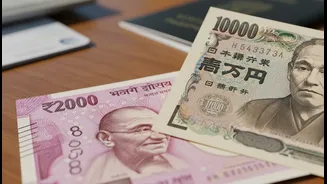
However, the Embassy of Japan in India confirmed that Indian citizens are exempt from this worldwide hike. Due to a long-standing bilateral arrangement, Indian travellers will continue to pay the highly concessional rate of just ₹500 for both single-entry and multiple-entry visas. This move solidifies Japan's position as one of the most affordable premium destinations for Indians from a visa cost perspective, especially when compared to the much higher fees for travel to Europe or the United States.
Why India Retains This Advantage
This special consideration for India isn't random; it's a strategic decision rooted in strengthening ties and boosting tourism. Japan has identified India as a priority growth market, recognizing the sharp increase in Indian visitors over the past few years. Record numbers of Indian tourists visited Japan in 2025, exploring destinations beyond the traditional cherry blossom trail and treating the country as a year-round favourite. This growing interest is fueled by better air connectivity, a favourable exchange rate, and targeted promotions by the Japan National Tourism Organization (JNTO). By maintaining the low visa fee, Japan is sending a clear signal of welcome, encouraging even more leisure and business travel from one of the world's fastest-growing outbound travel markets.
Streamlined Entry: The e-Visa System
Complementing the low fee is a simplified application process. In April 2024, Japan rolled out an e-Visa system for Indian citizens. This service is available for those applying for a single-entry tourist visa for a stay of up to 90 days. The process allows for online applications submitted through designated Japan Visa Application Centres, like VFS Global, instead of requiring a direct in-person submission for a traditional visa sticker. Successful applicants receive a digital 'Visa Issuance Notice,' which they can display on a smartphone at the airport and upon arrival in Japan. While some paperwork, like a valid passport, financial proof, and itinerary details, is still required, the e-visa makes the initial steps of planning a Japanese holiday more convenient than ever.
Putting the Cost into Perspective
The ₹500 visa fee is a fraction of what is charged by other popular international destinations. This significant cost saving on an essential travel document makes the overall budget for a trip to Japan more manageable. The financial relief allows travellers to allocate more of their funds towards experiences, accommodation, and exploring the unique culture Japan has to offer. Whether you are dreaming of the neon-lit streets of Tokyo, the serene temples of Kyoto, or the snowy landscapes of Hokkaido, this continued fee advantage makes that dream more attainable. The combination of low administrative costs and rising accessibility has made Japan a top-tier destination that doesn't come with the high entry barriers of many of its counterparts.
Other Travel Changes to Note in 2026
While the visa fee news is positive, Indian travellers planning a trip in 2026 should be aware of a few other adjustments. Japan is set to increase its departure tax from ¥1,000 to ¥3,000 (approximately ₹700 to ₹2,100) starting from July 2026. Furthermore, a new tax-refund system for tourists will be implemented from November 2026, which will require visitors to pay consumption tax upfront and claim a refund upon departure. Additionally, the separate transit visa category has been discontinued for all nationalities, meaning those transiting through Japan may need to apply for a short-term visa instead. These changes are part of Japan's broader strategy to manage the boom in tourism while investing in infrastructure.