


The Staggering Cost of Life
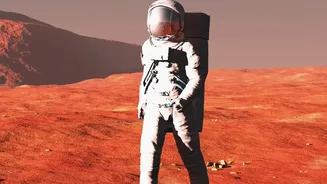
To understand the debate, one must first appreciate the sheer weight of human need. An astronaut on a long-duration mission requires a constant supply of food, water, and oxygen. Estimates suggest each astronaut needs roughly 1 kg of food, 3-4 kg of water for
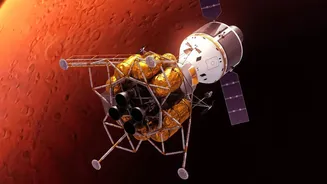
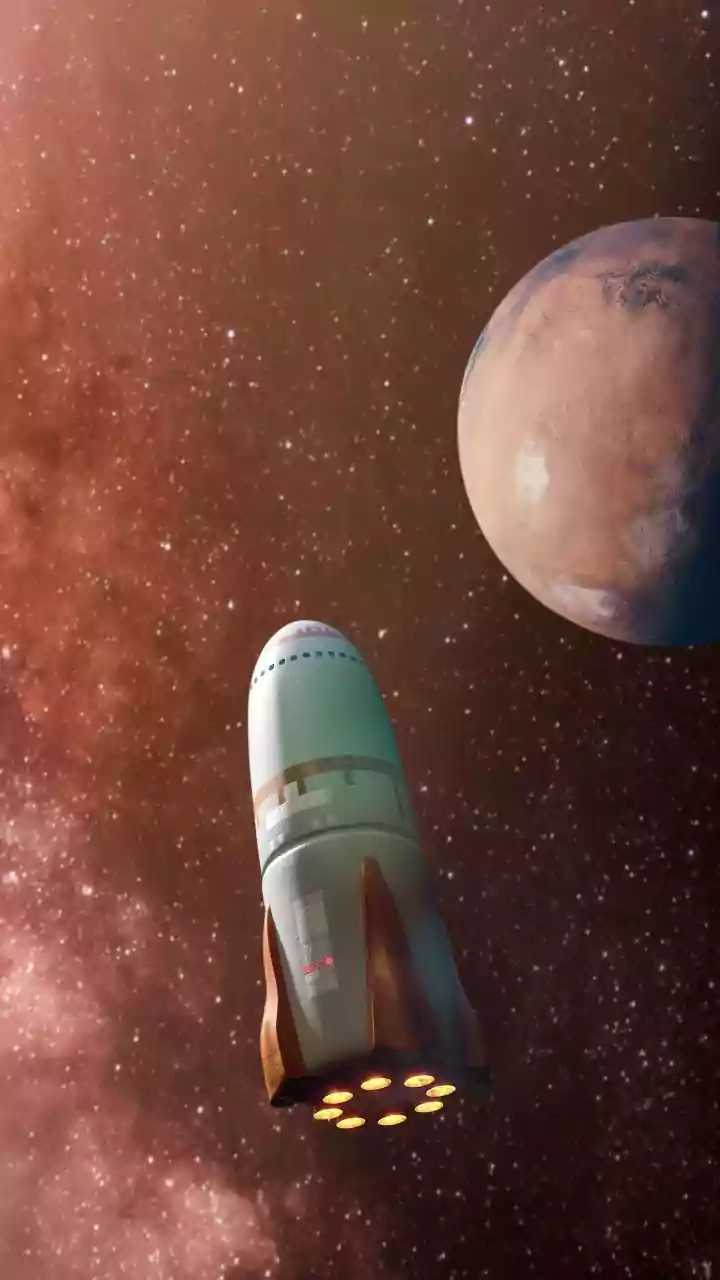
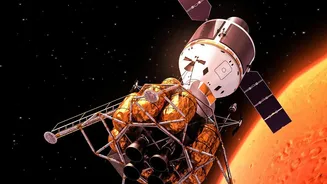
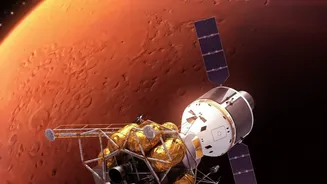
drinking and hygiene, and nearly 1 kg of oxygen per day. For a three-year round-trip Mars mission with a crew of four, this adds up to tens of thousands of kilograms of supplies. Every kilogram launched from Earth is incredibly expensive, making the logistics of life support one of the biggest financial and engineering hurdles. A crewed mission to Mars could cost upwards of $100 billion, with some estimates reaching far higher, whereas a flagship robotic mission like the Perseverance rover costs a fraction of that, around $2.7 billion. This massive cost disparity is primarily due to the complex systems needed to keep humans alive and safe from the harsh environment of space, including radiation and microgravity.
The Tireless Robotic Advantage
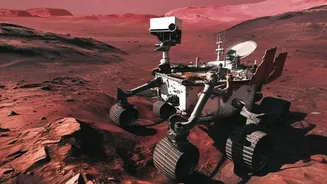
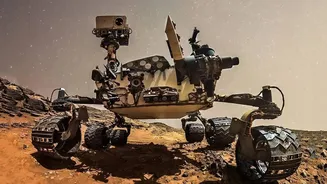
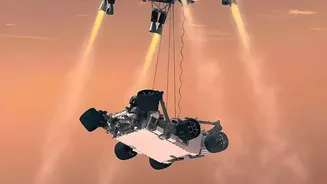
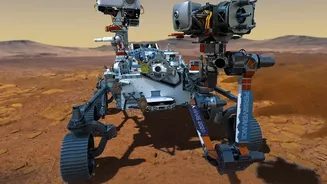
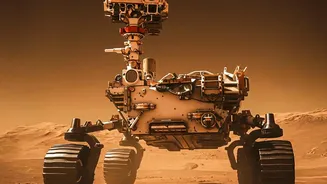
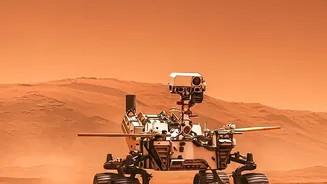
In contrast, robots are refreshingly low-maintenance. They do not need to eat, drink, or breathe. They are powered by solar panels or radioisotope thermoelectric generators and can endure the vacuum of space and punishing radiation for years, often far exceeding their planned mission durations. This makes them ideal for long, patient exploration. Rovers like Curiosity and Perseverance are slow, with a maximum speed far less than a crawling human, but they are methodical and can operate continuously. They can be sent to hazardous environments where the risk to human life would be unacceptable. Furthermore, the scientific return from robotic missions is immense. They have orbited and landed on every planet in our solar system, sending back invaluable data and images that have reshaped our understanding of the cosmos. Robots are the undisputed pioneers, scouting the way and mapping the terrain for any future human presence.
The Irreplaceable Human Element
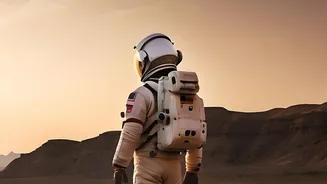
If robots are so efficient, why consider sending humans at all? The answer lies in qualities that cannot yet be programmed: intuition, adaptability, and speed. A human geologist on Mars could accomplish in minutes what a rover might take weeks to do, such as digging a trench or selecting a compelling rock sample. Humans can make rapid, on-the-spot decisions, improvise solutions to unexpected problems, and apply a level of critical thinking that is beyond current AI. This scientific productivity can be thousands of times greater on a cost-per-science basis for human missions, according to some analyses. Beyond the science, there is the profound inspirational value. Human exploration captures the public imagination in a way that robotic missions, for all their success, do not. ISRO chairman S Somanath has noted that while the goal is to use robots extensively, human capabilities for deeper understanding and emotional context cannot be fully replaced.
A Partnership for the Future
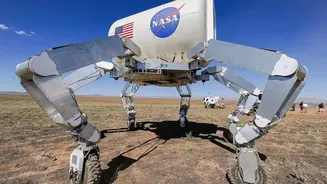
Ultimately, the debate is not a simple choice between humans or robots, but a question of strategy and timing. The prevailing consensus among space agencies like NASA is a hybrid approach. This strategy, often termed 'Moon to Mars', uses robotic missions as essential precursors. Robots are tasked with scouting landing sites, testing key technologies, and even beginning the process of 'in-situ resource utilization' (ISRU). For instance, NASA's MOXIE experiment aboard the Perseverance rover has already successfully demonstrated that it can produce oxygen from the thin Martian atmosphere. Future robotic missions could be sent ahead to manufacture water, oxygen, and even rocket fuel from Martian resources, dramatically reducing the mass that needs to be launched from Earth. These robotic trailblazers would set up habitats and infrastructure, creating a sustainable outpost ready for human arrival.