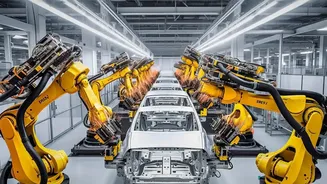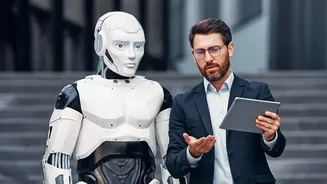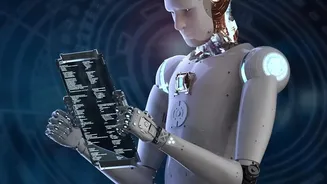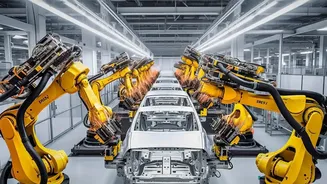


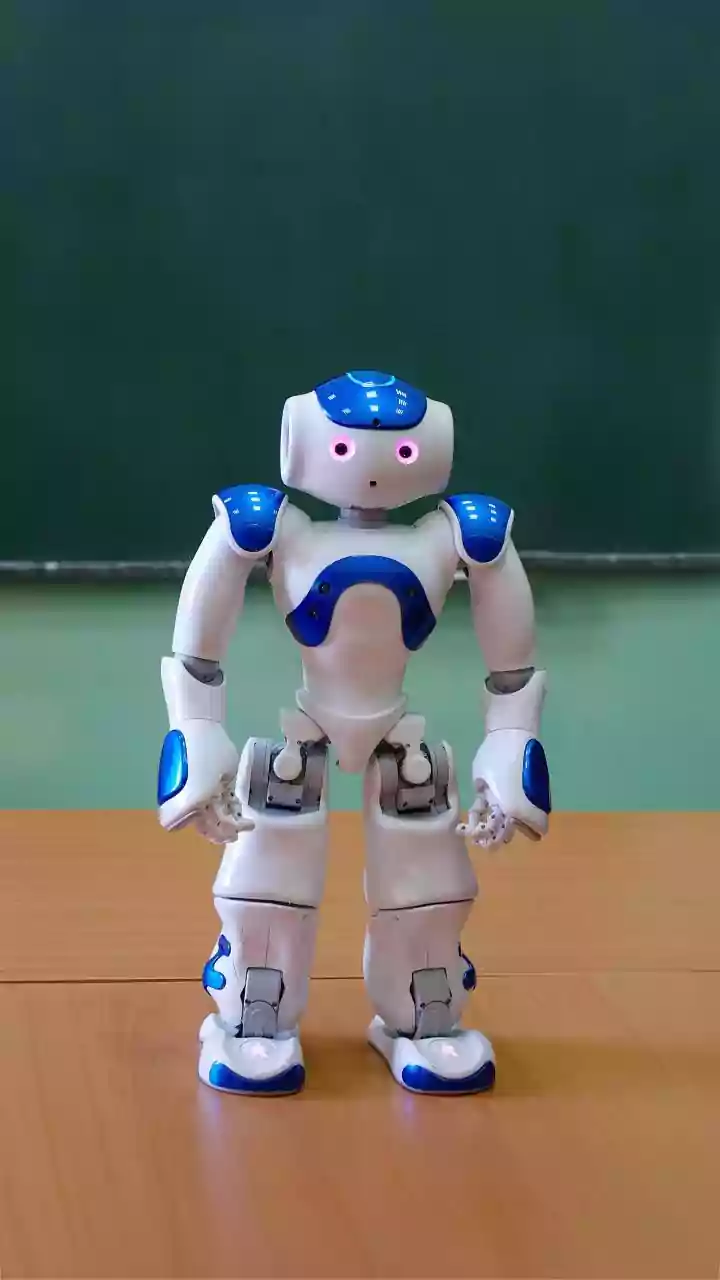
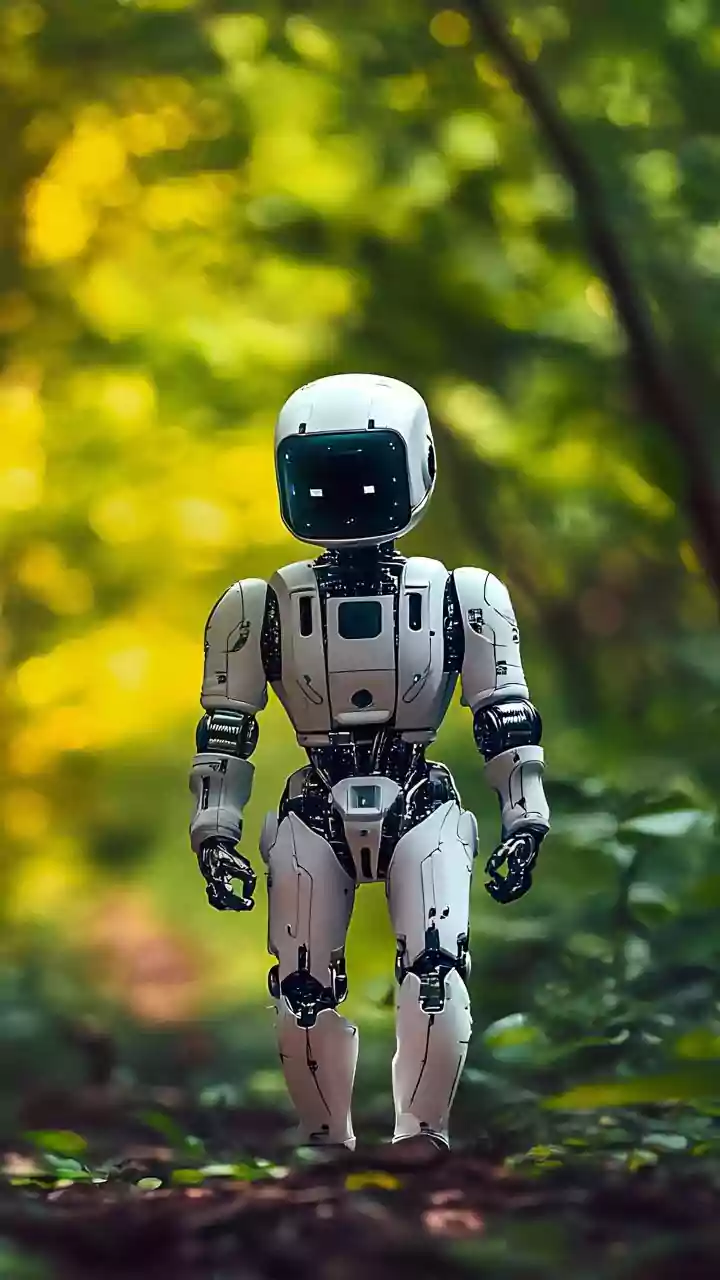
Humanoid robots are walking off the trade show floor and into factories and warehouses. But as pioneers like BMW and Amazon deploy them, a dose of reality is setting in, shifting the conversation from futuristic potential to difficult questions.
The Promise Meets Reality
For years,
videos of humanoid robots from companies like Boston Dynamics, Figure AI, and Tesla have captured the public imagination. These machines promise to fill labour shortages, handle dangerous or repetitive tasks, and seamlessly integrate into environments built for humans. Now, that promise is being tested. Major companies are moving beyond proofs-of-concept to pilot programs on live production lines. Figure AI's robots are working at BMW plants, and Agility Robotics' 'Digit' is moving totes in GXO's logistics warehouses. As these deployments generate real-world data, the focus is turning from what these robots can do in a lab to whether they can do it reliably and cost-effectively for a full shift.
The Billion-Dollar Maintenance Question
A key challenge emerging from early deployments is maintenance. Unlike a simple robotic arm, a humanoid robot is a complex machine with dozens of joints, sensors, and actuators that can wear out or fail. Annual maintenance costs for service robots are estimated to be 10-20% of their purchase price, a figure that can be even higher for complex, bipedal humanoids operating in demanding industrial settings. An industrial humanoid can incur maintenance costs ranging from $20,000 to $100,000 per year, not including the need for specialized technicians for repairs. This doesn't account for the cost of downtime. In a tightly integrated manufacturing line, a single robot failure can halt production, costing a company tens of thousands of dollars per minute. This reality forces a tough calculation for businesses weighing the high upfront and ongoing costs against potential returns.
The Productivity Puzzle
Productivity is the other side of the equation, and the results are mixed. While specialized automation often outperforms humans by a wide margin in high-volume, repetitive tasks, humanoids are still catching up. One leading Chinese manufacturer, UBTech, stated its robots were only 30-50% as productive as humans in certain tasks, though it aims for 80% by 2027. The primary issue is the gap between controlled demos and the messy reality of a factory or warehouse. Research has found that robots that succeed 90% of the time in simulations may only complete tasks correctly 12% of the time in the real world. Furthermore, battery life is a significant constraint, with most current models operating for only 1-4 hours before needing a recharge, making a full 8-hour shift impractical without complex battery-swapping systems.
Finding the Right Job for a Humanoid
Despite the challenges, humanoids are not a failed experiment. Instead, companies are learning that they are a specialized tool, not a universal replacement for human labour. Their key advantage is flexibility—the ability to perform multiple tasks in spaces designed for people without requiring expensive facility redesigns. The best current use cases are tasks that are repetitive, physically simple, and hard to staff due to being strenuous or undesirable. This includes machine tending, moving materials between workstations, and assisting with quality inspection. In these roles, the robots augment the human workforce, freeing up people for more complex, higher-value work rather than replacing them wholesale. The economic case strengthens when a single robot can perform several of these roles, offsetting its high cost.