







The Foundation: Food, Water and Routine
Pets thrive on consistency, and travel can easily disrupt their internal clock. Maintaining their feeding schedule is crucial. Pack enough of their regular food for the entire trip, plus a few extra days' worth in case of delays. Suddenly switching brands
can cause an upset stomach. Bring their familiar food and water bowls to create a sense of home. Collapsible bowls are excellent for walks and car journeys, ensuring they stay hydrated. It is also wise to carry bottled water, as some pets may refuse to drink water from a new place, which can sometimes lead to stomach issues.
Safety First: Identification and Emergencies
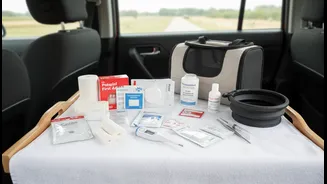
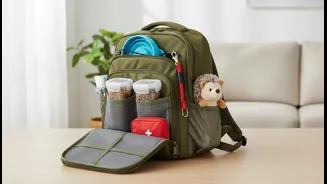
In a new environment, even the most well-behaved pet can get disoriented and wander off. Ensure your pet wears a collar with an up-to-date ID tag that includes your mobile number. It's a great idea to also add a temporary tag with the address of your holiday accommodation. Before you leave, check that their microchip details are current. Pack a basic pet first-aid kit with essentials like antiseptic wipes, bandages, and tweezers for ticks. Also, save the contact information for the nearest emergency vet at your destination before you travel.
Creature Comforts: Creating a Home Away From Home
Familiar scents and objects can significantly reduce a pet's travel anxiety. Pack their favourite bed or a few blankets from home. These items smell familiar and can help them settle in a strange room, providing a safe space that is just for them. Don't forget their favourite toys, especially chew toys or puzzle feeders, which can keep them occupied and mentally stimulated during downtime or if you need to leave them alone for a short period. These small comforts reinforce a sense of normalcy and security.
On the Move: Secure Travel and Containment
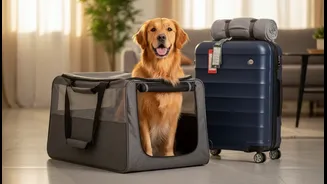
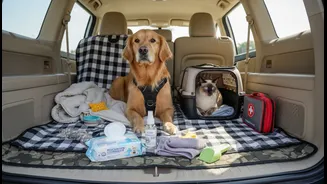
How you get there matters. For car journeys, never let your pet roam free in the vehicle. A secured crate or a crash-tested car harness that attaches to a seatbelt is the safest way for them to travel. It prevents them from becoming a distraction and protects them in case of a sudden stop. If you're using a carrier, ensure it is well-ventilated and large enough for your pet to stand, turn around, and lie down comfortably. For any journey, always have a sturdy leash and harness ready for rest stops.
The Paperwork Trail: Documents and Health Records
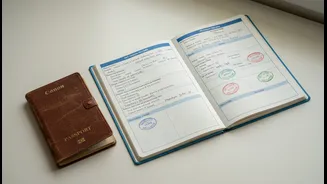
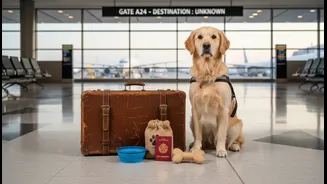
Depending on your destination, you may need specific documents. If travelling across state lines or flying, a health certificate from your vet, typically issued within 10 days of travel, might be required. Always carry a copy of your pet's vaccination records, especially for rabies. For travel within India, certain regulations apply, and if you are flying, airlines have their own specific rules regarding carriers and documentation, such as a No Objection Certificate (NOC) in some cases. It's always best to check the specific requirements for your destination and mode of transport well in advance.
Practicalities: Cleanup and Destination-Specific Gear
Accidents can happen, especially when a pet's routine is disrupted. Pack cleaning supplies, paper towels, and plenty of waste bags. Old towels are also invaluable for muddy paws, protecting car upholstery, or drying off a rain-soaked or post-swim dog. Consider your destination's climate and terrain. A trip to the hills might require protective dog boots for rough paths, while a beach holiday for a dog may call for a pet-friendly life jacket. For hot weather, a cooling vest or mat can prevent overheating.