








Why Delays Now Have a Domino Effect
In recent years, airlines have optimised their operations by running leaner schedules. This means fewer daily flights on many routes and aircraft that are turned around faster to maximise efficiency. While this is a sound business strategy, it significantly
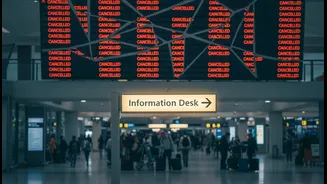
reduces the system's ability to absorb shocks. In the past, a cancelled flight might have been resolved by rebooking passengers onto another flight just a few hours later. Today, with that later flight possibly no longer existing or already being fully booked, the next available seat could be the following day. A single mechanical issue or weather event can now create a cascading wave of cancellations and delays that are much more difficult for both airlines and passengers to navigate. This reduced network density means your recovery options are automatically more limited, making it crucial to be prepared.
Know Your Rights Under DGCA Rules
As a passenger in India, you aren't powerless. The Directorate General of Civil Aviation (DGCA) has specific rules to protect travellers. If your flight is significantly delayed, you are entitled to certain provisions. For delays of two hours or more, airlines must provide you with free meals and refreshments. If a delay stretches beyond six hours, the airline must offer you the option of an alternative flight or a full refund of your ticket. For overnight delays, such as those scheduled between 8 PM and 3 AM, you are entitled to complimentary hotel accommodation and transport. Importantly, if an airline cancels a flight with less than two weeks' notice and doesn't arrange an alternative, you may be entitled to financial compensation up to ₹10,000, depending on the flight. These rules, however, generally do not apply to delays or cancellations caused by factors outside the airline's control, like severe weather or political instability.
Proactive Steps Before You Book
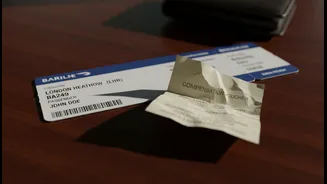
The best defence against travel disruption is a good offence. Your choices before you even confirm a booking can make a significant difference. When possible, book the first flight of the day. These flights are less likely to be affected by the ripple effects of delays that accumulate throughout the day. Consider flying with larger carriers that have more extensive networks and reciprocal agreements with other airlines; this can provide more rebooking options during a crisis. It's also wise to book directly with the airline. While aggregators are great for comparing prices, dealing directly with the airline during a disruption can be much simpler and faster. Finally, pay for your ticket with a credit card that offers complimentary travel insurance or specific protections against trip delays and cancellations. Read the fine print to understand what benefits you hold.
Your Action Plan at the Airport
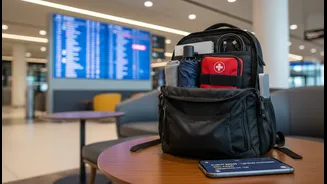
When a delay or cancellation is announced, time is of the essence. While other passengers are still processing the news, you should be taking action. The queue at the service counter will grow quickly, so try a multi-pronged approach. Get in line, but simultaneously call the airline's customer service number and check their mobile app. Often, the app or a phone agent can rebook you faster than the gate agent who is dealing with a crowd. When you do speak to an agent, be polite but firm. Know your rights and ask specifically for what you are entitled to, whether that’s a meal voucher, a hotel stay, or re-routing on a partner airline. Keep all your receipts and records of communication with the airline, as these will be essential if you need to file a claim for compensation later.
The Ultimate Safety Net: Travel Insurance
While airline compensation and DGCA rules provide a baseline of protection, they often don't cover all your potential losses. This is where a dedicated travel insurance policy becomes invaluable. A comprehensive policy can reimburse you for non-refundable expenses, such as hotel bookings and tour payments, if your trip is cancelled or interrupted for a covered reason. Many policies include specific coverage for flight delays, which can provide a lump-sum payment to cover expenses like meals and accommodation after a certain number of hours. This financial cushion can turn a stressful ordeal into a manageable inconvenience. Before purchasing, compare plans to ensure they cover trip interruption and have a straightforward claims process.