






Decoding the Alerts: Who Issues Them?
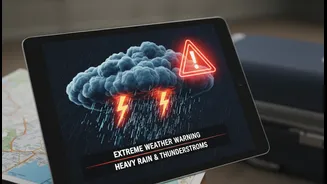
The primary source for weather warnings in Mumbai is the India Meteorological Department (IMD). This official government agency is responsible for monitoring weather patterns and issuing forecasts and alerts to the public and disaster management authorities.
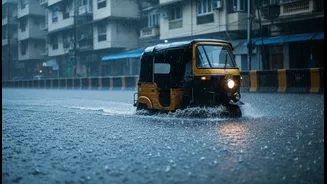
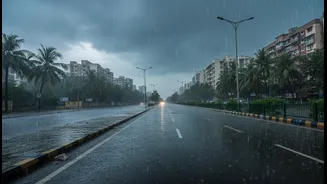
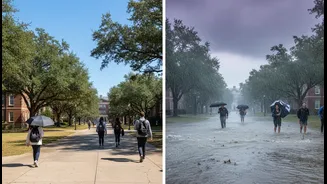
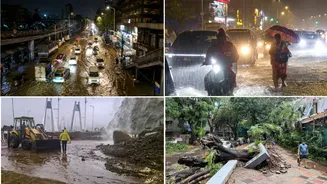
Recent events in early July 2026, which saw extremely heavy rainfall, landslides, and widespread disruption, underscore the importance of heeding these official communications. The alerts are designed to give citizens and city agencies like the Brihanmumbai Municipal Corporation (BMC) time to prepare for potential disruptions, from traffic snarls to more severe flooding.
The Colour Code, Simplified
The IMD uses a four-colour system to communicate the severity of expected weather. Understanding this is the most critical step in making a practical decision. Green (No Advisory): This indicates normal weather conditions. Expect light showers at most, with no significant disruptions anticipated. Yellow (Be Aware): A yellow alert signals that you should be aware and stay updated. It forecasts moderate rainfall that could cause minor disruptions, like localised waterlogging in low-lying areas. Orange (Be Prepared): This is a serious alert. An orange alert is issued when heavy to very heavy rainfall is expected, which can lead to significant traffic disruption, power outages, and flooding. On July 7, 2026, Mumbai was under an orange alert, prompting the closure of all schools and colleges as a precautionary measure. Red (Take Action): This is the highest level of warning and should be taken very seriously. A red alert signifies a forecast of extremely heavy rainfall that poses a significant risk to life and property. Widespread flooding, major transport cancellations, and structural damage are likely. Authorities will typically advise citizens to stay indoors and avoid all non-essential travel. In the days preceding July 7, Mumbai was under a red alert which led to work-from-home advisories and the deployment of disaster response teams.
Your Action Plan: From Yellow to Red
A calm response means translating the colour code into practical action. During a Yellow alert, check your commute route for waterlogging hotspots and allow for extra travel time. Ensure your emergency kit has basic supplies. When an Orange alert is issued, reconsider non-essential travel. Charge all your devices, including power banks. Secure any loose items on balconies or outside your home that could be affected by strong winds. A Red alert requires you to prioritise safety above all else. Stay home unless instructed to evacuate. Avoid using roads, especially underpasses and coastal routes. The BMC strongly advises against visiting beaches or promenades and to stay clear of dilapidated buildings and unstable trees.
Staying Informed With Trusted Sources
In an era of rampant misinformation, relying on official channels is crucial for your safety. For the most accurate and up-to-date information, follow the official websites and social media accounts of the IMD and the BMC. Many news outlets also provide live updates sourced directly from these agencies. The BMC also operates a 24-hour helpline, 1916, for any rain-related emergencies or to report issues like open manholes or fallen trees. Avoid forwarding unverified messages on social media, which often create unnecessary panic.
Preparedness Is a Community Effort
While city agencies work on pre-monsoon desilting and deploying pumps at flooding spots, citizen preparedness plays a vital role. This includes everything from housing societies pruning dangerous tree branches to individuals not disposing of garbage in drains, which can worsen waterlogging. The recent heavy rains in early July have been record-breaking, with the city receiving over 60% of its seasonal average in the first week of the month alone. This has put immense strain on infrastructure, causing tragic incidents like building collapses and landslides. A collective, calm, and prepared response, from the individual to the entire community, is Mumbai’s greatest strength in navigating these challenging weather events.