


An Ancient Tradition Rediscovered
For centuries, rice water has been a beauty staple in many Asian cultures. The most famous practitioners are the Yao women from China’s Longsheng region, renowned for their incredibly long, strong hair that often doesn't grey until they are in their 80s.
Their secret involves washing their hair with fermented rice water. Similar practices have been recorded in Japan, Korea, and across Southeast Asia, including India, where the fermented liquid, known as Neeraagaram or Pakhala, has long been consumed as a cooling, nourishing drink. The fermentation process is key; it lowers the pH of the water to match that of our hair and scalp, and it enriches the liquid with a higher concentration of beneficial nutrients.
The Science Behind Shinier, Stronger Hair
The claims about hair health are not just folklore. The primary benefit of rice water comes from a carbohydrate called inositol, which can penetrate the hair shaft, repair damage from within, and create a protective shield that reduces friction and breakage. Fermentation amplifies these effects, boosting the availability of inositol and producing amino acids, the building blocks of protein, which strengthen the hair's structure. This nutrient-rich elixir, also packed with vitamins B and E, helps make hair smoother, shinier, more elastic, and easier to detangle. By creating an optimal pH environment, it also supports a healthy scalp, which is essential for strong hair growth.
A Probiotic Boost for Your Gut?
While the hair benefits are well-discussed, the idea of drinking fermented rice water for gut health is gaining traction. In many parts of India and Southeast Asia, consuming this liquid is a long-standing tradition to aid digestion and cool the body. The fermentation process creates a synbiotic mixture—containing both prebiotics (which feed good bacteria) and probiotics (the beneficial bacteria themselves), such as Lactobacillus. Proponents suggest that these can help reduce gut inflammation, ease issues like bloating and indigestion, and support a healthy microbiome. However, it's important to note that while the biochemical theory is strong, formal clinical trials on drinking fermented rice water for gut health are limited. Most evidence is rooted in traditional use and studies on fermented foods in general.
DIY Fermented Rice Water for Hair
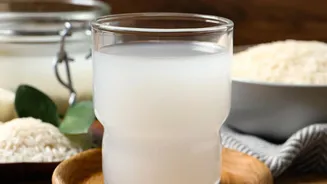
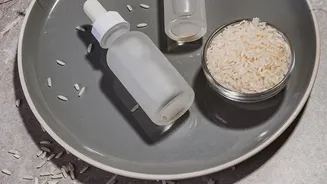
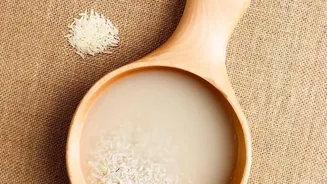
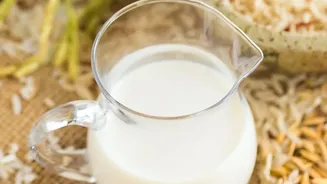
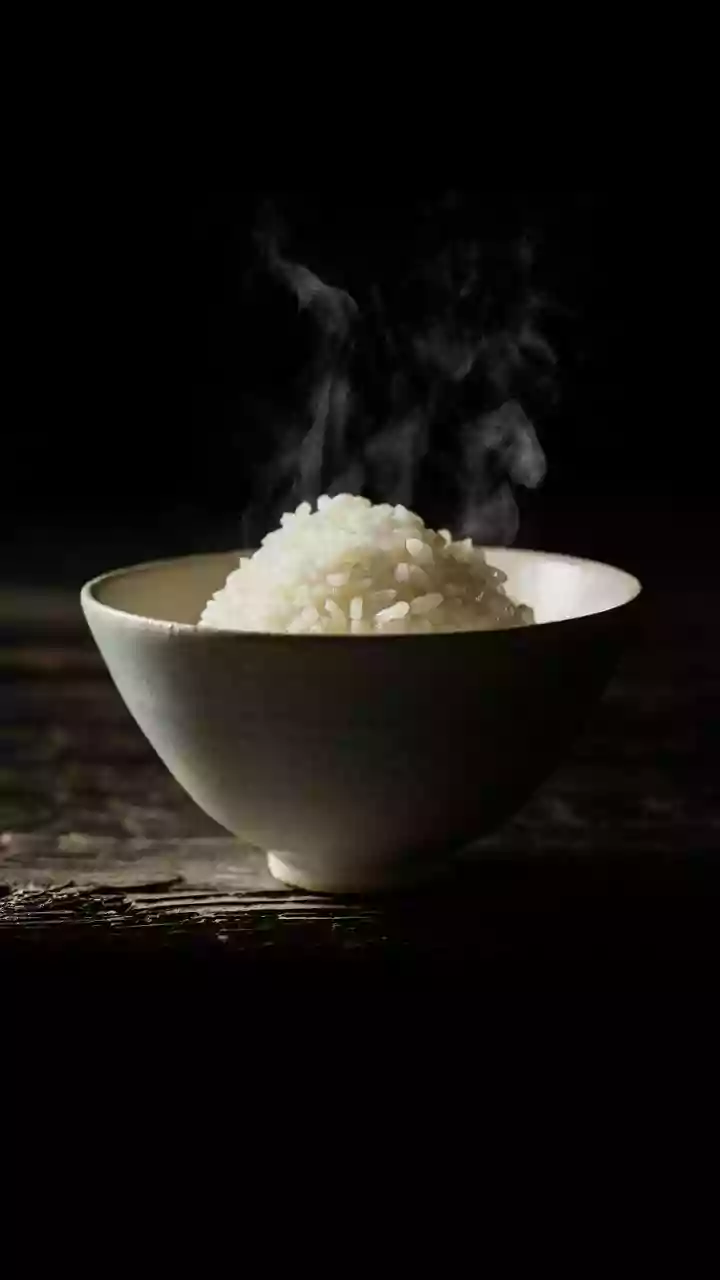
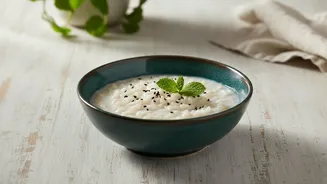
Making your own rice water rinse at home is simple. Start by rinsing one cup of uncooked rice (any kind will do) a couple of times to clean it. Then, soak the rinsed rice in about three cups of water for at least 30 minutes. Strain the cloudy water into a clean jar. For a simple fermented version, cover the jar loosely and let it sit at room temperature for 12 to 24 hours. The fermentation time depends on your room's temperature; it's ready when it develops a slightly sour smell. To enhance the rinse, some traditional recipes, like those of the Yao women, involve boiling the water with citrus peels, such as pomelo or orange, which can help preserve it and add a pleasant scent. Once fermented, you can store it in the refrigerator for up to a week. To use, shampoo and rinse your hair as usual, then pour the rice water over your hair and massage it into your scalp. Let it sit for up to 20 minutes before rinsing thoroughly with plain water.
Risks and What to Know Before You Try
While generally safe for topical use, there are a few things to keep in mind. For some hair types, especially low-porosity hair, the protein in rice water can lead to stiffness or brittleness if used too often—a condition known as protein overload. It’s best to start by using it once a week and see how your hair responds. When it comes to consumption, caution is key. Homemade ferments carry a risk of contamination with harmful bacteria if not prepared hygienically. Signs that your fermented rice water has gone bad include a very strong, foul odour or any visible mould. Additionally, some studies have raised concerns about the potential for arsenic, which can accumulate in rice, to leach into the water, particularly when using hot water or boiling methods. If you have persistent gut issues, it’s always best to rely on professionally prepared probiotics or consult a doctor.