




An Introduction to Manyam
Parvathipuram Manyam, a district nestled in the northern part of Andhra Pradesh, has long been known more for its rugged terrain and tribal heritage than as a travel destination. Characterised by the dense forests, rolling hills, and winding roads of the Eastern
Ghats, it represents a part of India that remains off the beaten path for many travellers. But this is precisely its appeal. For motorcycle enthusiasts tired of crowded circuits, Manyam offers a sense of discovery. The region is a tapestry of natural beauty, with a significant tribal population whose culture is woven into the landscape. It is this combination of pristine environment and rich local heritage that forms the foundation of its burgeoning tourism potential.
What's on Offer for Riders?
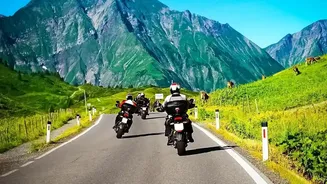
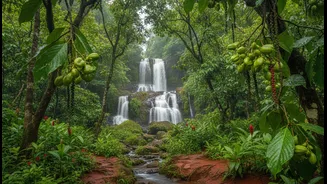
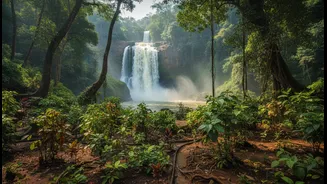
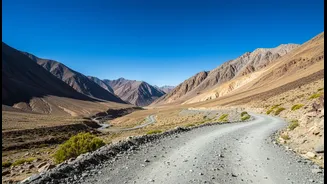
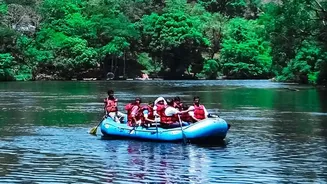
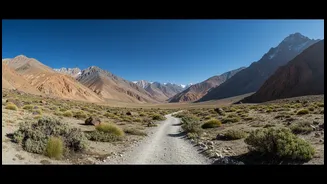
The core appeal for any motorcyclist is the ride itself, and Manyam delivers with its scenic ghat roads. Routes like the Makkuva Hill Drive are already gaining a reputation among local riders for their sharp turns and stunning valley views. The district is also being promoted as the 'Home of Waterfalls', with dozens of cascades that have recently seen a surge in visitors. Key attractions like Lodda, Moganali, and Neelamvalasa waterfalls offer dramatic backdrops for a journey. Beyond the roads and waterfalls, the region is home to pilgrimage sites, the Thotapalli Reservoir, and the Adali View Point, which provides panoramic views of the Vamsadhara Reservoir. Efforts are also underway to establish a tribal museum in Seethampet to showcase the area's unique cultural history, offering riders a destination with both natural and cultural depth.
A Concerted Push for Bike Tourism
The prospect of Manyam becoming a biker's hotspot isn't just wishful thinking; it's backed by a clear government strategy. In July 2026, the Parvathipuram Manyam district administration announced plans to formally introduce 'bike tourism'. The initiative involves identifying and developing 30-kilometre circuits that connect waterfalls, scenic viewpoints, and forest stays. This plan builds on the success of a pilot program launched in 2025: a tribal bike taxi service. Under this scheme, local Adivasi youth ferry tourists on motorcycles to at least 16 remote waterfalls that are otherwise difficult to access, providing both employment and a unique visitor experience. The positive response to this service has encouraged officials to create a more comprehensive action plan that includes safe riding routes, rest areas, and overnight facilities for tourists.
The Reality of the Roads
While the ambition is high, the on-ground reality presents a more complex picture. The main arteries and newly promoted tourism circuits are seeing development, but the district's infrastructure is still a work in progress. In late 2024, a state minister acknowledged that many villages in Manyam still lacked proper road connectivity and committed to addressing the issue within two years. This highlights the dual nature of the district: while some areas are being prepped for tourism, others remain remote and challenging to access. This can be both a pro and a con for motorcyclists. For those seeking true adventure, the less-than-perfect roads are part of the thrill. For riders who prefer comfort and convenience, it might mean sticking to the more established routes. The good news is that community involvement is strong, with local Adivasis often taking the lead in clearing paths and building basic infrastructure where government funds are limited.
The Verdict for Intrepid Riders
So, is Manyam ready to be Andhra Pradesh's next motorcycle hotspot? The answer is a qualified yes. It's not yet a polished, plug-and-play destination like some of the more famous touring routes in the country. Facilities like high-end hotels and multi-cuisine restaurants are not as widespread. However, what it offers is something increasingly rare: an authentic, emerging destination where every turn can feel like a new discovery. The district administration's clear focus on developing motorcycle-specific routes and amenities is a massive advantage. The development of QR codes for information, dedicated websites for bookings, and training for local guides suggests a move toward organised and sustainable tourism that will make the region more accessible over time.