



Embrace the Power of Layering
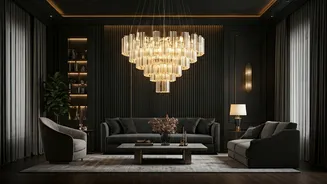
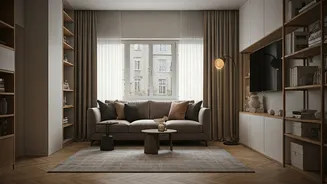
A common mistake in small spaces is relying on a single overhead light, which can cast harsh shadows and make a room feel flat. Instead, interior designers use a technique called 'layering' to create depth and dimension. This involves combining three
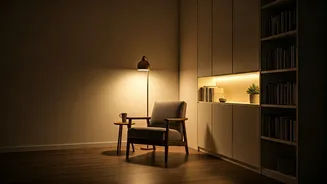
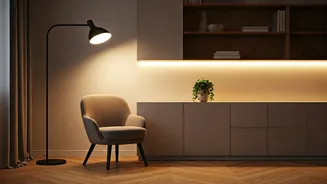
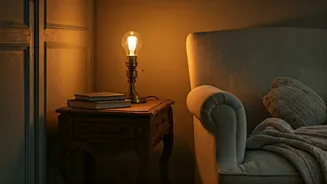
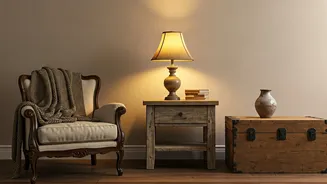
types of light. Ambient lighting is your base layer, providing general illumination from sources like flush-mount ceiling fixtures. Task lighting is focused light for specific activities, like a lamp by a reading chair or under-cabinet lights in the kitchen. Finally, accent lighting adds drama by highlighting artwork, plants, or architectural details, drawing the eye around the room and making it feel more dynamic.
Draw the Eye Upward
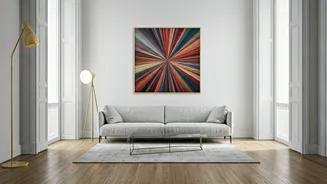
To make a room feel taller, you need to encourage people to look up. Vertical lighting is a clever trick to create the illusion of height. Tall, slender floor lamps, known as torchières, are perfect for this as they cast light upwards, bouncing it off the ceiling to create a sense of spaciousness. Wall sconces mounted higher than usual achieve a similar effect, drawing the eye vertically along the walls. This technique helps to visually stretch the space, making low ceilings feel less imposing and the entire room feel more open and airy.
Choose Fixtures That Save Space
In a small flat, every centimetre counts. Bulky light fixtures can overwhelm a room and take up valuable real estate. Opt for minimalist and space-saving designs. Flush or semi-flush ceiling lights provide ample overhead brightness without visually lowering the ceiling. Wall sconces are an excellent choice because they free up floor and table space, making them ideal for bedsides or narrow hallways. Track lighting is another versatile option, allowing you to direct multiple lights from a single source to brighten different zones as needed.
Amplify Light with Reflective Surfaces
One of the oldest tricks in the design book is also one of the most effective: using mirrors to make a space feel larger. Placing a large mirror directly opposite a window or a significant light source can double the brightness and create a powerful illusion of depth. The light bounces around the room, illuminating dark corners and making the entire area feel more expansive. Other reflective surfaces, like glass tabletops, metallic decor, or light-coloured walls, work in the same way, helping to scatter light and enhance the sense of openness.
Control the Mood with Dimmers and Colour
Intentional design is all about control. Installing dimmer switches is one of the most impactful changes you can make, allowing you to adjust the brightness to suit any activity or mood, from bright and functional to soft and cosy. The colour temperature of your bulbs, measured in Kelvins (K), also plays a crucial role. Bulbs around 3000K produce a warm, inviting white light that’s perfect for living rooms and bedrooms. Cooler temperatures around 4000K offer a crisp, natural white light better suited for kitchens and home offices where clarity is key. Using a consistent colour temperature helps create a more unified and serene atmosphere.