








The New Age of Digital Deception
The classic 'family emergency' scam has received a terrifying upgrade thanks to Artificial Intelligence. Scammers can now take a few seconds of audio from a social media post or a voicemail greeting and clone a person's voice with frightening accuracy.
They then use this cloned voice to call a parent or grandparent, fabricating a story about an accident, an arrest, or a medical crisis that requires immediate financial help. The goal is to create such a powerful emotional response that the victim's critical thinking is bypassed, leading them to send money before they have a chance to verify the story. Because the voice sounds so authentic, the usual red flags are much harder to spot, making these scams incredibly effective.
Understanding Voice Cloning Technology
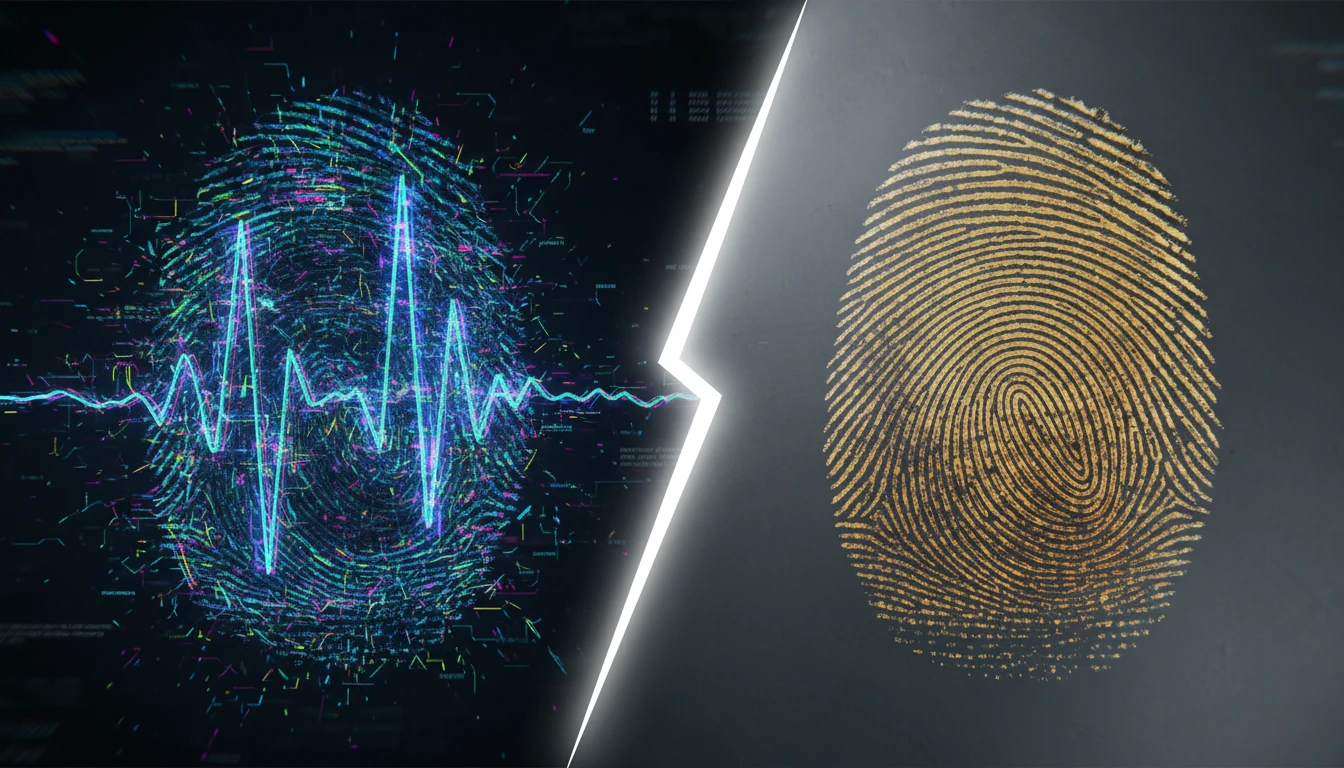
AI voice cloning works by analysing the unique characteristics of a person's speech—their pitch, cadence, and accent—from an audio sample. Once the AI model learns these patterns, it can generate entirely new sentences in that person's voice, saying whatever the scammer types. The barrier to entry for this technology is alarmingly low, with some tools needing as little as three to ten seconds of clear audio to create a convincing replica. This audio is easily harvested from public sources like Instagram stories, YouTube videos, or even by recording a person's voice during a brief, seemingly harmless phone call. The technology is designed to mimic the person so well that a majority of people are not confident they could distinguish a cloned voice from a real one.
The Simple Power of a Safeword
In the face of such sophisticated technology, the most effective defence is surprisingly simple: a verbal protocol, often called a safeword or code word. This is a pre-agreed word or phrase known only to a trusted circle of family members. When a call is received that involves an urgent and emotional request for money or information, the recipient can ask the caller for the safeword. A legitimate family member will know it instantly; an AI-powered scammer will be stumped. This simple act of verification breaks the scammer's script, which relies entirely on creating panic and urgency to prevent you from thinking clearly. It shifts the power back to you, allowing you a moment to pause, authenticate, and act rationally instead of emotionally.
How to Create Your Family Protocol
Establishing a verbal protocol is a straightforward conversation. First, gather your immediate family and explain the threat of voice cloning scams. Next, choose a safeword or a simple question with a unique answer. The best safewords are easy to remember but hard for an outsider to guess—avoiding common names, birthdays, or pet names that might be found online. Think of an inside joke or a shared memory. Once agreed upon, ensure every member understands that if they receive a frantic call asking for money, they must ask for the safeword before taking any action. It's also wise to agree that any request for funds should be verified through a second communication channel, such as texting the person's known number or calling them back on a number you have saved.
Beyond the Safeword: Additional Defences
While a safeword is a powerful tool, it works best as part of a broader security mindset. Encourage family members to make their social media profiles private to limit the amount of public audio and video content available to scammers. Be cautious of answering calls from unknown numbers. During a suspicious call, listen for tell-tale signs of an AI voice, such as unnatural pauses, a robotic tone, or strange background noise. However, as the technology improves, these flaws will become rarer. The most reliable defence remains a healthy dose of scepticism towards any urgent, high-stakes request. Always hang up and verify independently. Trust your gut; if a call feels off, it probably is.