







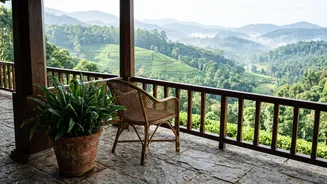
The Rise of Alternative Stays
Hotels are no longer the default choice for a growing number of Indian travellers. A significant trend highlighted in the 'How India Travels 2026' report is the move towards alternative accommodations like homestays, villas, and apartments. This isn't
just a niche preference; it's a rapidly growing segment projected to reach a gross booking value of ₹415 billion by FY29. The number of digitally available listings for these properties more than doubled between FY23 and FY26, from around 102,200 to 215,000. This surge in supply is meeting a clear demand, as online searches for alternative stays are growing at a faster rate than those for traditional hotels.
It's About the Experience, Not Just the Room
So, what's driving this change? The modern Indian traveller is seeking more than just a room with a view; they want an experience. A staggering 87% of travellers surveyed believe that alternative stays help create more meaningful holiday memories. For many, these properties offer a deeper connection to the destination. The report found that 85% of travellers associate them with authentic local experiences, and a significant number prioritise locally sourced food and the opportunity to support local communities. Since the pandemic, travellers are looking for unique stays that offer a greater sense of local culture and individuality. The accommodation is no longer just a base for exploration—it's becoming the destination itself.
Families and Groups Drive Demand
The traditional family holiday of booking multiple, separate hotel rooms is being replaced by a more cohesive experience. Alternative accommodations are particularly well-suited for multi-generational families and groups of friends who want to stay together under one roof. The report notes that about four out of five villa bookings are made by groups or families. For these travellers, the appeal lies in having shared living spaces, kitchens, and the privacy that separate hotel rooms can't offer. According to property owners, young families (74%) and groups of friends (69%) are the most frequent guests at these stays.
Even Business Travel is Changing
It's not just leisure travel that's seeing this shift. Business travellers, who have traditionally defaulted to hotels, are increasingly opting for alternative stays. This segment accounted for 19% of bookings in FY26, a figure projected to rise to 21% by FY27. For professionals on the road, the reasons are practical: 41% cite the benefit of having more living space and a separate workspace. Another 40% value the ability to accommodate colleagues or family members. Aparthotels and service apartments provide a more comfortable environment for longer work trips, blending the convenience of a hotel with the comforts of home.
Beyond the Usual Tourist Spots
This trend is also helping to distribute tourism more evenly across the country. While major metros and established holiday destinations still hold nearly half the inventory, growth is rapidly shifting to Tier-II cities, religious centres, and new leisure corridors. Between June 2025 and June 2026, listings for alternative stays more than doubled in cities like Greater Noida, Ghaziabad, Indore, and Ayodhya. This expansion is crucial, as it helps absorb demand during major events and in areas where hotel supply is limited, effectively addressing India's estimated shortage of over 200,000 hotel rooms.