


Not a Grain, But a Starch
The single most important reason sabudana is permitted during Navratri fasts (or 'vrat') is its botanical identity. Despite its grain-like appearance, sabudana is not a cereal grain like wheat or rice, which are typically avoided during these fasts. It
is a processed food product made from starch extracted from the root of the cassava plant, also known as tapioca. The process involves crushing the cassava root, washing it to extract the starch, and then forming it into the familiar tiny pearls. Because it originates from a root vegetable, it falls under the category of 'phalahar' or a non-grain diet, making it an acceptable food for religious fasting.
The Instant Energy Booster
Fasting for long hours requires foods that can provide sustained energy. Sabudana is almost entirely composed of carbohydrates, making it an excellent source of quick fuel for the body. A 100-gram serving of dry sabudana contains around 350 calories and approximately 87 grams of carbohydrates. This high-carb profile helps replenish the body's energy stores quickly, preventing the fatigue and weakness that can accompany a day of fasting. Its easy digestibility also makes it gentle on the stomach, which is often a priority when eating after long breaks.
A Surprising Culinary History
Interestingly, sabudana is a relatively recent addition to the Indian pantry. The cassava plant itself originated in Brazil and was introduced to India in the 1800s. Its popularisation is often traced to the Kingdom of Travancore (modern-day Kerala), where it was promoted as a food source during a famine. However, the production of sabudana pearls in India began much later, around the 1940s, with manufacturing units established in Salem, Tamil Nadu. From there, its use spread across the country, eventually becoming deeply integrated into fasting traditions, particularly in states like Maharashtra.
The Ultimate Culinary Chameleon
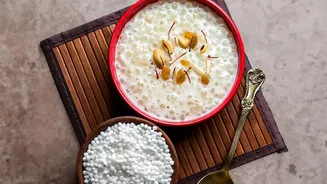
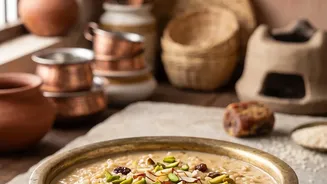
Another reason for sabudana's widespread popularity is its incredible versatility. On its own, it has a neutral flavour, allowing it to absorb the taste of spices and other ingredients it's cooked with. This makes it a perfect base for a wide array of dishes, both savoury and sweet. During Navratri, it transforms into the ever-popular Sabudana Khichdi, a stir-fry with potatoes, peanuts, and mild spices. It can also be mashed and fried to create crispy Sabudana Vadas or simmered in milk and sugar to make a comforting Sabudana Kheer. This ability to adapt to different tastes and textures ensures the fasting menu remains interesting and satisfying.
Making It a Balanced Meal
While sabudana is a great source of energy, it is nutritionally incomplete on its own, offering very little protein, fat, or fibre. This is why traditional sabudana preparations are often nutritionally balanced by adding other fasting-approved ingredients. For instance, peanuts are added to khichdi and vadas for protein and healthy fats. Potatoes contribute extra carbohydrates and potassium. Cooking it in milk for kheer adds calcium and protein. These combinations turn a simple starch into a more well-rounded meal, providing not just energy but also other essential nutrients needed to sustain a fast in a healthy way.