
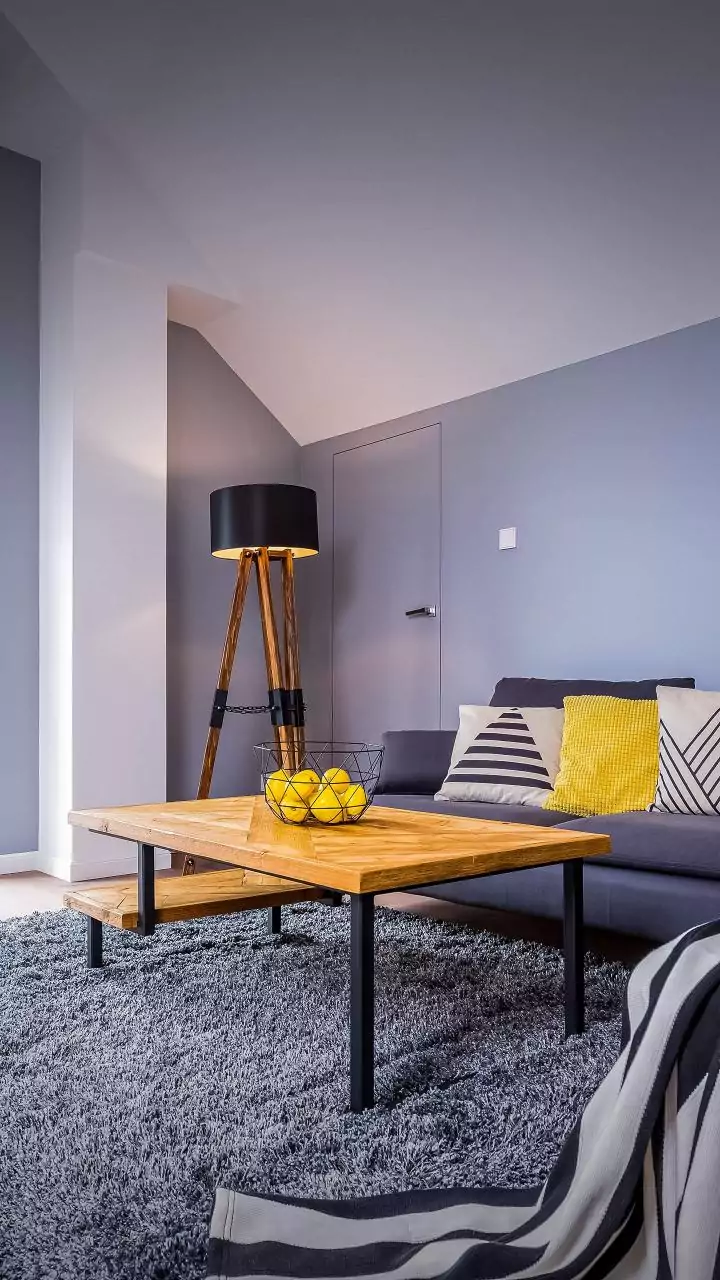




The Cost Conundrum
The most immediate factor in the rent-versus-buy debate is cost. Buying furniture requires a significant upfront investment. Furnishing even a modest 1BHK apartment in cities like Mumbai or Bengaluru can easily run from ₹80,000 to over ₹1,50,000. While
this secures an asset, it's a depreciating one; furniture can lose 40-60% of its value within the first two years. Renting, on the other hand, eliminates this large initial spend. Companies like Furlenco and RentoMojo offer entire room packages for a fixed monthly fee, often ranging from ₹3,000 to ₹8,000 for a living room set. This makes setting up a home financially accessible and predictable. The catch? If your stay extends beyond two or three years, the cumulative rent can surpass the cost of buying the furniture outright, making ownership the more financially prudent long-term choice.
The Flexibility Factor
Today's urban career paths are anything but linear. Job changes, promotions, and inter-city transfers are common, making mobility a top priority for young professionals. This is where renting truly shines. The thought of selling or transporting bulky items like beds and wardrobes across cities is a logistical and financial headache. Rental services solve this by offering free relocation or simply allowing you to end your subscription and start afresh in a new city. This 'asset-light' lifestyle aligns perfectly with a generation that values experiences over possessions and may not be tied to one location for more than a couple of years. Buying, in contrast, implies a degree of permanence. It makes sense if you have settled in a city and don't foresee a move in the near future, but it can feel like a burden for those with a more transient lifestyle.
Style, Personalisation, and Hassle
Your home is an extension of your personality, and furniture plays a huge role in that expression. Buying offers complete freedom of choice. You can hunt for that perfect handcrafted wooden table or a quirky armchair that reflects your unique taste. You own it, so you can modify it, cherish it, and build a sense of 'home' around it. Rental platforms offer curated, modern designs, but the selection is ultimately limited to their catalogue. However, renting wins decisively on convenience. The service includes delivery, assembly, and maintenance. If a rented appliance breaks down or a chair leg gives way, it's not your problem to fix. For those with demanding jobs and little free time, this hassle-free experience is a major draw, freeing them from the responsibilities that come with ownership.
The Long-Term Equation
Ultimately, the decision boils down to your life stage and priorities. Renting is a service, not an investment. It provides a functional and stylish living space for as long as you need it, making it ideal for students, professionals on short-term projects, or anyone who is unsure of their five-year plan. It’s part of a larger shift towards a 'sharing economy' where access is often valued more than ownership. Buying is a commitment. It’s for those who have put down roots, perhaps bought their own home, and are ready to invest in creating a personal sanctuary for the long haul. While the furniture's monetary value depreciates, its emotional value as a part of your home grows over time. It’s about building a nest versus having a convenient and comfortable place to land.