




Cooking: The First Step of Digestion
Digestion doesn't start in your stomach; it begins in the kitchen. Applying heat to food, especially starchy carbohydrates like potatoes, rice, and grains, kick-starts the digestive process before you even take a bite. This is thanks to a process called
starch gelatinization. In their raw state, starches are tightly packed in semi-crystalline granules, making them difficult for your body to break down. Cooking with heat and water unravels these complex structures, making them more open and accessible to your digestive enzymes. Think of it as pre-digesting your food, giving your body a helpful head start.
Giving Your Digestive Enzymes a Hand
Once cooked food enters your system, your digestive enzymes have a much easier job. Because the starches are already gelatinized and broken down, enzymes in your small intestine can efficiently convert them into glucose, which your body absorbs for energy. This increased efficiency means that a greater proportion of carbohydrates are absorbed where they're supposed to be: in the small intestine. When foods are eaten raw, their complex carbohydrate structures can be tougher for these enzymes to tackle, meaning more undigested particles continue their journey down the digestive tract.
Starving the Gas-Producing Bacteria
The final destination for any undigested food is the large intestine, which is home to trillions of bacteria that make up your gut microbiome. These microbes are helpful, but when they are fed large amounts of undigested carbohydrates, they begin to ferment them. A primary byproduct of this fermentation process is gas—specifically hydrogen, carbon dioxide, and sometimes methane. This is what leads to the familiar feelings of bloating, pressure, and flatulence. By cooking your carbohydrates, you ensure they are mostly absorbed in the small intestine, effectively 'starving' the gas-producing bacteria in your colon and preventing them from going into a fermentation frenzy.
Promoting a Balanced Gut Ecosystem
Beyond simply reducing gas, this process helps foster a more stable and balanced gut environment. Constant, excessive fermentation can put stress on your gut and may favor the growth of certain gas-producing microbes over others, potentially leading to an imbalanced ecosystem. While some fermentation is normal and even beneficial—producing healthy compounds like short-chain fatty acids—the key is moderation. A diet that includes well-cooked, easily digestible foods can help maintain this balance, supporting a diverse and resilient microbiome without the uncomfortable side effects of excess gas. Studies have shown that a cooked plant-based diet impacts the gut microbiome differently than a raw one, highlighting how food preparation is a crucial factor in gut health.
Finding the Right Balance for You
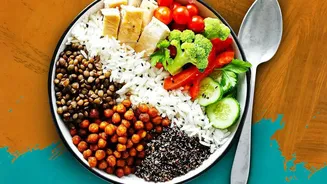
This doesn't mean you should abandon raw foods entirely. Raw fruits and vegetables are packed with valuable vitamins, minerals, and certain types of fiber that are beneficial for your gut. However, if you are prone to bloating and gas, understanding the science behind carbohydrate digestion can be empowering. It suggests that you don't necessarily have to eliminate foods, but rather change how you prepare them. Lightly steaming vegetables instead of eating them raw can soften their fibers and make them easier to digest. For particularly starchy foods like potatoes and grains, cooking is almost always the best choice to maximize nutrient absorption and minimize digestive discomfort. The goal is a balanced approach that supports your unique digestive system.