






A Lifeline From Low Earth Orbit
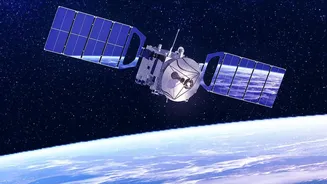
When Russia launched its full-scale invasion in 2022, one of its first objectives was to cripple Ukraine's communication infrastructure through cyberattacks and physical strikes. Into this void stepped Starlink, a constellation of low-Earth orbit satellites
operated by Elon Musk's SpaceX, which provided a robust and difficult-to-jam internet connection. Initially donated, the service quickly became indispensable, not just for civilians and government services, but as the central nervous system for Ukraine's military. It allowed troops to communicate securely, coordinate battlefield movements, and operate technologically advanced weaponry like drones.
The Power of 'No'
The relationship has been fraught with tension. Concerns centre on the power held by a commercial entity over a sovereign nation's defence capabilities. These fears were realised when SpaceX began imposing restrictions. The most significant of these have been 'geofencing' to prevent the service from being used in Russian-occupied territories like Crimea and, more recently, imposing speed limits on the terminals. In mid-October 2026, Ukrainian officials reported that the military-grade service, known as Starshield, was suddenly throttled for terminals moving faster than 160 km/h (100 mph), a move made without warning.
When Drones Can't Fly
This speed cap had immediate and severe consequences for Ukraine's military operations. It effectively grounded a significant portion of their mid-range strike drones, which use Starshield for guidance and operate at speeds much higher than the new limit. It also hampered Ukraine's ability to use faster interceptor drones to chase down and destroy incoming Russian drones. Ukrainian commanders reported that missions were cancelled and drones were lost as communications were severed mid-flight. While the service was reportedly restored after a day or so, the incident exposed a critical vulnerability.
A Company, a Contract, a Controversy
Elon Musk has consistently stated that Starlink is a civilian network and was never intended to be 'weaponized' for offensive actions, expressing a desire to avoid escalating the conflict. He has deflected responsibility for the latest restrictions on Starshield, stating the military-grade system is owned and controlled by the US government, and any limits are decided by the Pentagon and the President. This followed a period of uncertainty where Musk had threatened to stop funding the service, which led the US Department of Defense to sign a formal contract with SpaceX in June 2023 to provide satellite services to Ukraine. However, the exact terms of that contract remain undisclosed for security reasons, leaving the ultimate lines of control blurry.
A Precedent for Future Conflicts
The situation in Ukraine sets a dangerous precedent for the future of warfare, where private technology firms control critical infrastructure. Modern militaries are increasingly reliant on commercial systems for everything from cloud computing to artificial intelligence and communications. The Starlink-Ukraine dynamic raises fundamental questions: Who is in control when a company's terms of service conflict with a nation's military strategy? And what happens when a CEO's personal politics or business interests can influence the outcome of a battle? The incident serves as a stark warning to governments worldwide about the risks of outsourcing national security to the private sector, where a switch can be flipped thousands of miles from the battlefield, with potentially devastating consequences.