




The Dangers of a Damp Coat
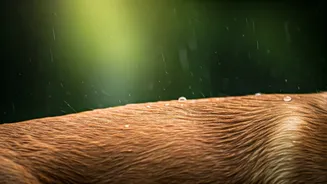
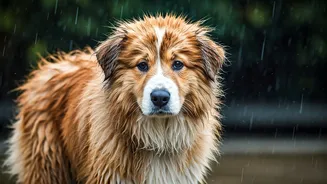
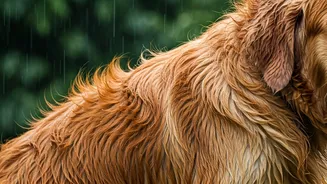
That familiar “wet dog” smell is more than just an odour; it’s a warning sign. During India's monsoon, humidity can hover between 80-95%, creating the perfect breeding ground for bacteria and fungi. When your pet’s fur remains damp—whether from a rainy
walk or a bath—it traps this moisture against the skin. This can lead to a host of painful and irritating conditions. Vets see a sharp increase in skin-related issues like fungal infections (ringworm), yeast overgrowth, and painful hot spots (acute moist dermatitis) during this season. These conditions cause intense itching, redness, hair loss, and can spread rapidly if not managed.
Mastering the Towel Dry
The first step after any exposure to water is a thorough towel-dry. However, vigorously rubbing your pet's coat can create tangles and matting, making things worse. Instead, use a highly absorbent towel, like a microfiber one, and press or blot sections of the coat to squeeze out excess water. Work your way through their entire body, paying special attention to the underbelly, armpits, and groin area, where moisture loves to hide. For dogs with thick or double coats, this initial step is crucial to prepare for more effective drying.
Using a Blow Dryer Safely
For many pets, especially those with long or dense fur, a towel alone isn't enough. A blow dryer can be an excellent tool, but it must be used with caution. Human hair dryers can get too hot and burn a dog’s sensitive skin. If you use one, it must be on the lowest heat and speed setting—or even the cool setting. Hold the dryer several inches away from your pet's skin and keep it in constant motion, never concentrating on one spot for too long. To help your pet get accustomed to the noise and sensation, start slow, use treats for positive reinforcement, and keep sessions short. Brushing while you dry helps to prevent tangles and allows air to circulate better.
Don’t Forget the Paws and Ears
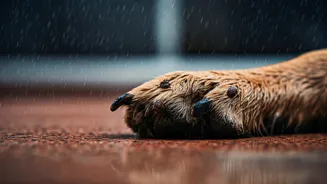
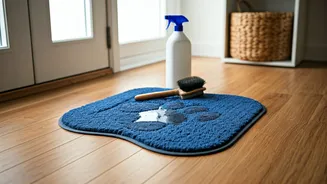
Paws and ears are ground zero for monsoon-related infections. Paws are in constant contact with wet, muddy surfaces, and the areas between the toes trap moisture effectively. After every walk, paws should be cleaned and dried meticulously. Trimming the fur around the paw pads can also improve airflow. Ears, particularly in breeds with floppy ears, are also at high risk. The warm, dark, and moist ear canal is an ideal environment for yeast and bacteria to flourish. Gently wipe and dry the visible parts of the ear after your pet gets wet, and consider a vet-recommended ear cleaning solution for regular maintenance during the monsoon.
A Routine for Every Rainy Day
A proper drying routine isn’t just for bath time. It's a non-negotiable step after every single walk in the rain, no matter how short. Even a quick splash through a puddle warrants a paw wipe-down. Investing in a good quality pet raincoat can help minimise how wet your dog gets in the first place. Keeping their bedding clean and dry is also critical, as damp blankets can contribute to skin issues. By making this a consistent habit, you can prevent the discomfort of itching and avoid costly and stressful trips to the vet.