


The Comfort and Curse of the Familiar Menu
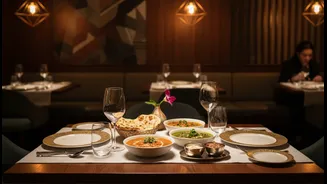
Walk into many Indian restaurants, from Mumbai to London, and you could be forgiven for thinking you’ve seen the menu before. The familiar roster of butter chicken, paneer tikka masala, and biryani offers a comforting shorthand for “Indian food.” But
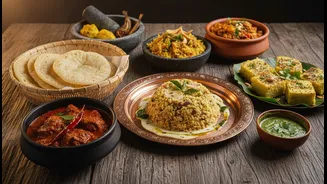
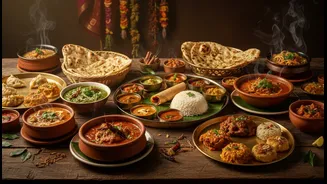
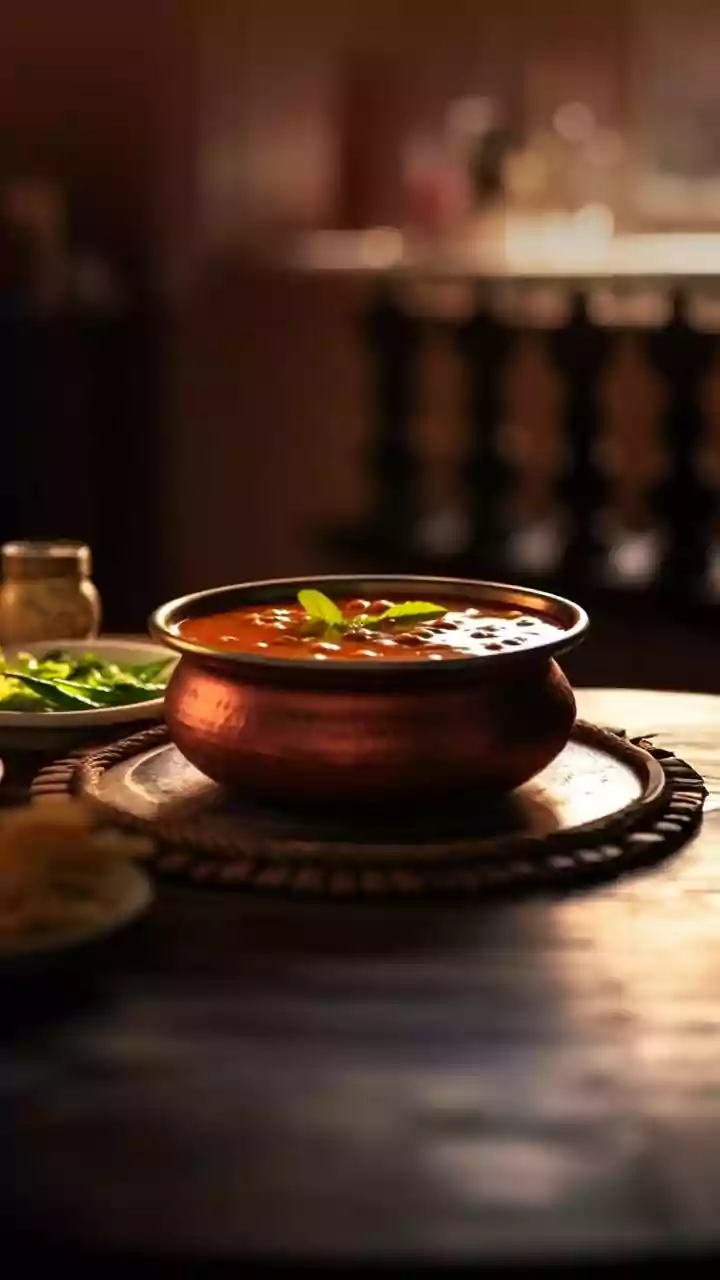
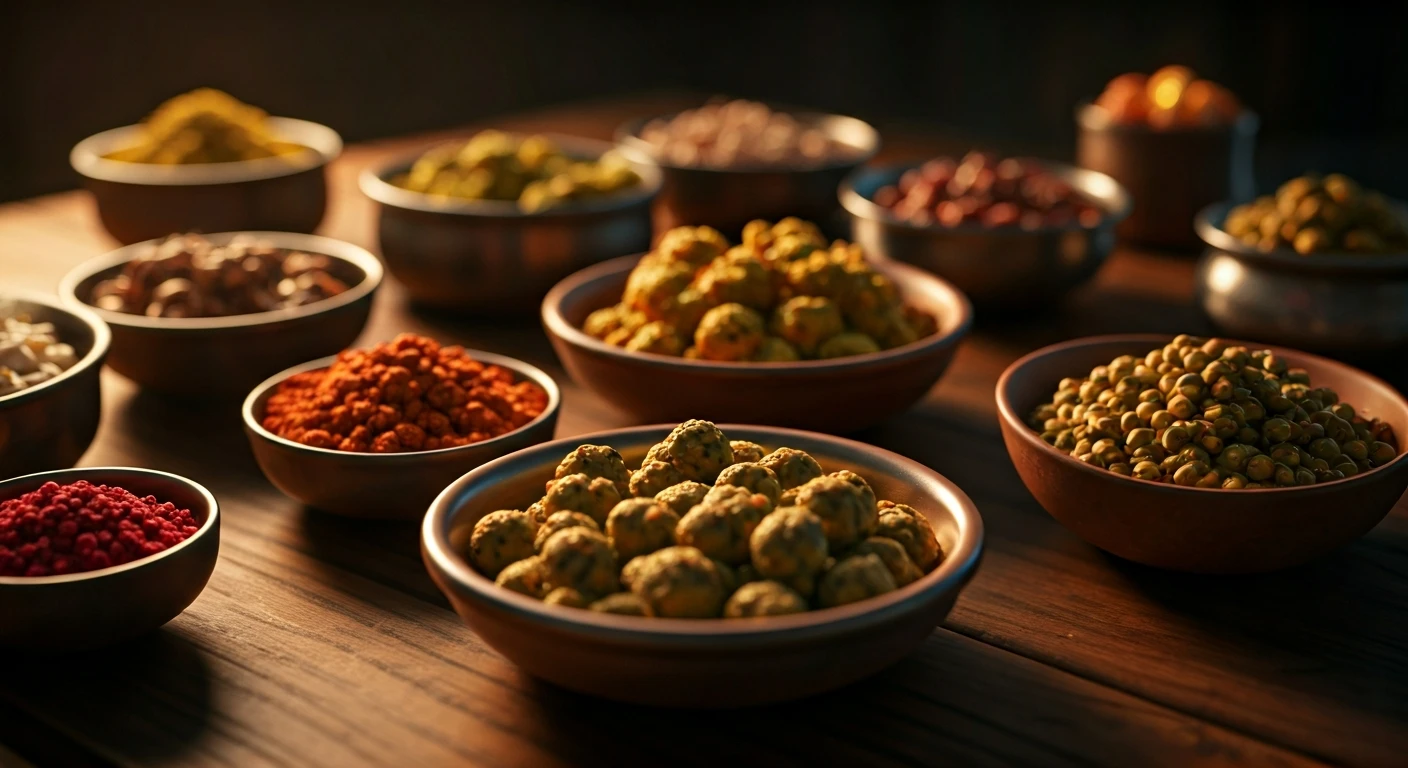
this very predictability has become a creative straitjacket. For decades, this limited selection, primarily rooted in North Indian and Mughlai traditions, has defined Indian cuisine for a global audience and even for many within India. This happens for a reason: it’s safe, it’s what people expect, and it sells. Restaurateurs, facing high operational costs and the need for a reliable business model, often lean on these established hits. The result, however, is a culinary landscape that feels more like a monologue than the vibrant, diverse conversation it ought to be. The vast spectrum of India's regional cuisines—from the coastal delicacies of Kerala to the mountain foods of Himachal—remains largely hidden from the mainstream diner.
Why Our Food Stories Get Lost
The simplification of Indian food is not just a matter of taste, but of economics and expectation. Many restaurateurs believe they must adapt traditional recipes for local palates, often toning down complex spice profiles. There's also the persistent, problematic expectation that food from certain cultures should be cheap and fast, which discourages investment in the storytelling, sourcing, and skilled labour that authentic regional cooking requires. This pressure leads to shortcuts, like using a single base sauce for multiple dishes, which further erodes culinary distinction. Furthermore, a significant knowledge gap exists. Many culinary schools still focus on international or generic North Indian cooking, leaving chefs without the training to execute diverse regional specialities. This creates a cycle where diners don't know what to ask for, and restaurants are not equipped to provide it, leaving the rich narratives of our food untold.
A New Generation Rewrites the Menu
Thankfully, a shift is underway, led by a new generation of chefs who are tired of the old script. They are moving beyond stereotypes to champion regionality and authenticity with pride. Restaurants like The Bombay Canteen and Ekaa in Mumbai, or Semma in New York, are proving that diners are not just ready for, but hungry for, deeper stories. These establishments are doing more than just serving food; they are curating experiences. Their menus act as guides to India's geography, history, and cultural practices. Chefs are traveling to remote villages to unearth forgotten recipes, celebrating indigenous ingredients, and training their staff to be storytellers. This approach turns a meal into a dialogue, where a dish is not just a list of ingredients but a narrative of its origin, from the community that perfected it to the seasonal rhythms that produced it.
More Than Just Fine Dining
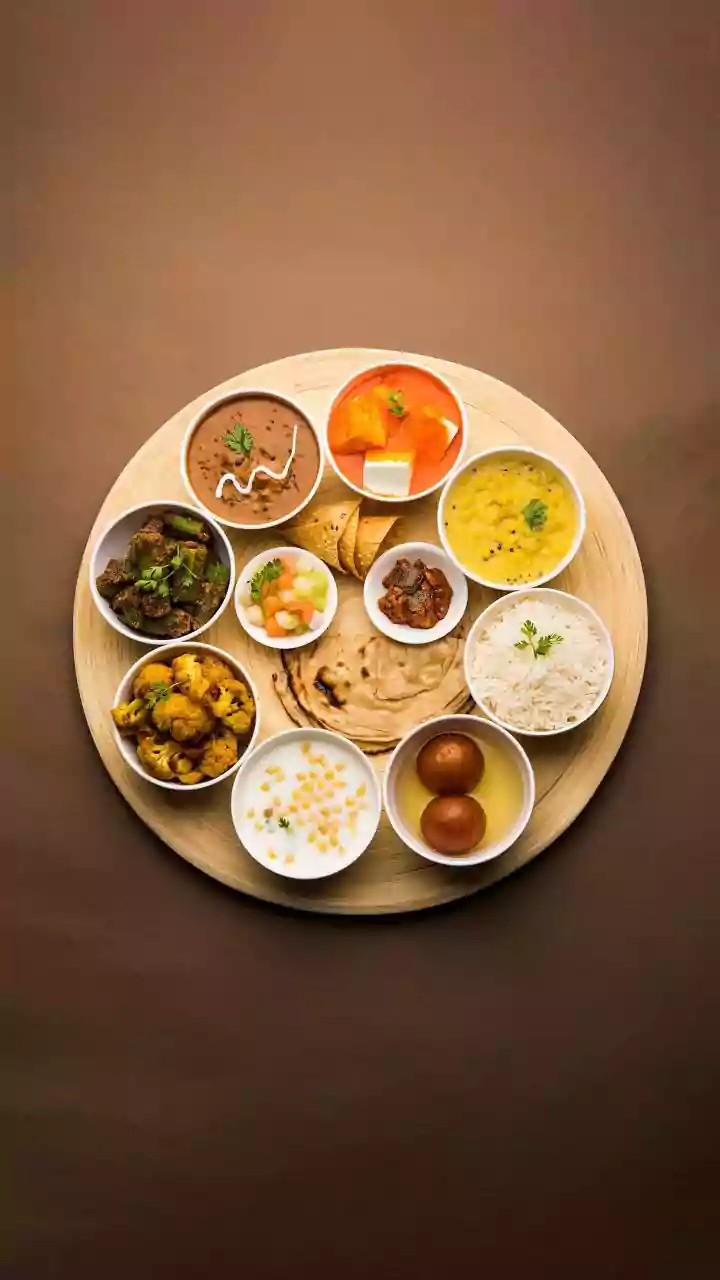
This culinary renaissance isn't, and shouldn't be, confined to high-end, white-tablecloth restaurants. The spirit of storytelling can thrive at every level. A simple dosa café can transport you to the streets of Chennai, a thali restaurant can offer a lesson in the hyperlocal delicacies of a single district, and a street food-inspired menu can capture the vibrant energy of a bustling market. The key is intention. It’s about honouring the “emotional truth” of a dish, whether it's a home-style dal or a complex biryani. This can be achieved through thoughtful menu design, sourcing local ingredients that speak of a specific terroir, or simply training staff to share the ‘why’ behind a dish. By moving away from generic labels like "curry" and embracing specific, regional identities, restaurants of all kinds can offer a more honest and enriching experience.