





Choose the Right Gear Before You Go
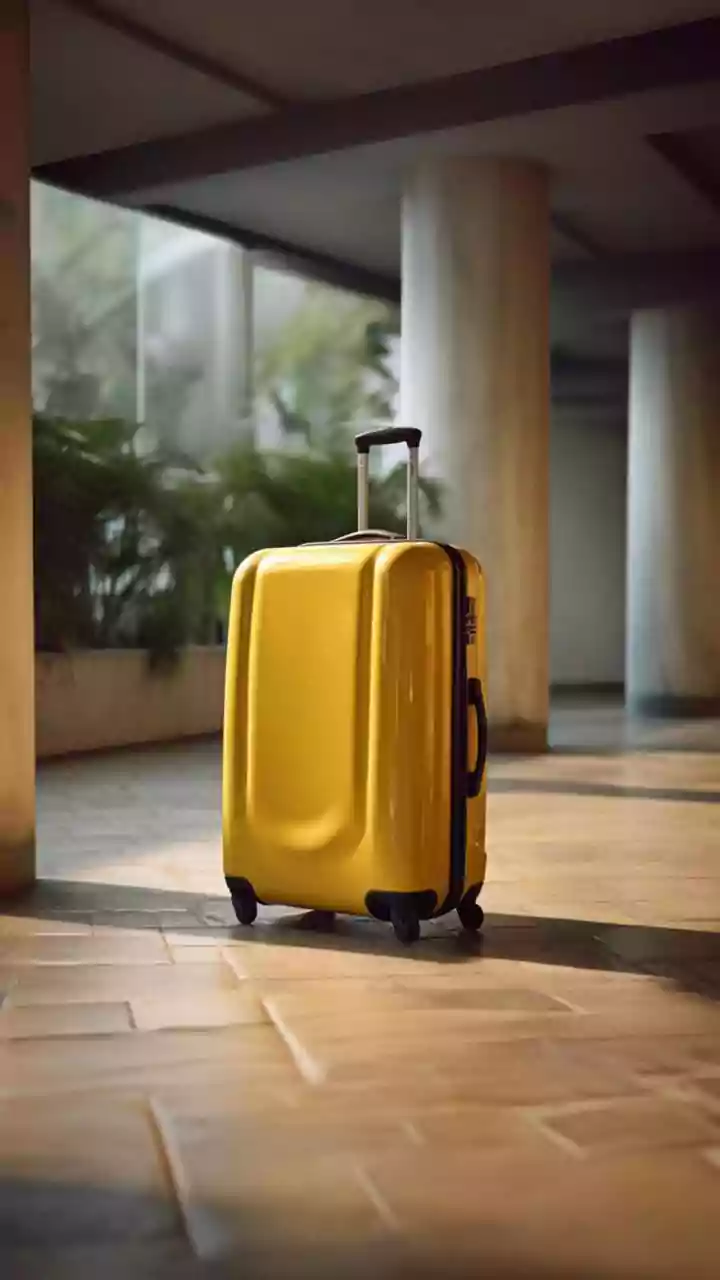
Your first line of defence begins with the luggage you choose. Opt for good quality, durable bags that are difficult to slash or rip open; hard-sided suitcases offer more protection than soft ones. For your most valuable items like a laptop, phone, and
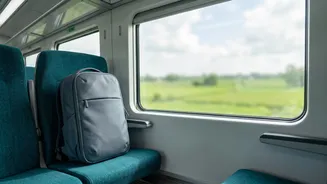
wallet, consider investing in an anti-theft backpack. These often feature slash-resistant fabric, lockable zippers, hidden compartments, and RFID-blocking pockets to protect your cards from electronic skimming. A classic and highly effective tool for Indian train travel is a sturdy metal chain and a good quality padlock. This allows you to physically secure your larger bags to the hooks or rings provided under the lower berths in most coaches.
Pack Smart to Minimise Risk
What you pack is as important as how you pack it. Never put essential and high-value items in your main luggage. Your phone, wallet, ID proofs, tickets, medication, and expensive electronics should always be in a smaller daypack or sling bag that stays on your person at all times. Avoid placing valuables in the easily accessible outer pockets of your suitcase. It's also wise to avoid openly displaying expensive gadgets like laptops or high-end phones, as this can attract unwanted attention. The less you appear to have, the less of a target you become. Make a list of your valuables and consider leaving anything you don't absolutely need at home.
Securing Luggage During the Journey
Once onboard, take a moment to secure your belongings. For larger bags, place them under the lower berth and use your chain and lock to fasten them to the built-in metal loops. This is a strong deterrent against a simple grab-and-run theft, especially during the night or at crowded station stops. If you have a smaller backpack with valuables, do not store it in the overhead rack where you can't see it. A common strategy is to use it as a pillow or keep it close to your head while you sleep. Some travellers even loop a strap around their arm or leg. If you have the choice while booking, an upper berth can offer more security as it's harder for thieves to access.
Situational Awareness is Key
Technology and locks are helpful, but your greatest asset is your awareness. Be particularly vigilant when the train is stopping at or departing from a station, as these are prime moments for theft. Thieves may work in groups to create distractions. Be wary of unexpected conversations or commotions designed to divert your attention. Never accept food or drinks from strangers, no matter how friendly they seem, as this is a known tactic to drug and rob passengers. If you need to use the washroom, try to go when the train is moving at a steady speed between stations, which makes a quick escape for a thief more difficult. If travelling with others, ask them to watch your bags and return the favour.
What to Do If Theft Occurs
In the unfortunate event that something is stolen, you do not need to break your journey to file a complaint. Immediately inform the Train Ticket Examiner (TTE), coach attendant, or any on-duty Railway Protection Force (RPF) or Government Railway Police (GRP) personnel. They are required to provide you with an FIR form to fill out, which they will then forward to the appropriate police station. You can also call the national railway security helpline at 182 or the general RailMadad helpline at 139 for immediate assistance and to report the crime. Filing a report as soon as possible is crucial for any chance of recovery.