
The Foundation: Breathing and Awareness
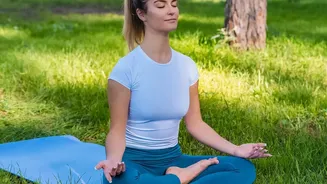
Before you even attempt a pose, the most crucial element of yoga is your breath. Mindful breathing calms the nervous system, which helps your muscles relax and lengthen. Before starting your routine, sit comfortably, close your eyes, and take several
deep breaths. Inhale through your nose for a count of four, and exhale for a count of four. This simple act of focused breathing prepares your mind and body for the movement to come, making your stretches more effective and promoting a deeper mind-body connection.
Cat-Cow Stretch (Marjaryasana-Bitilasana)
This gentle, flowing sequence is one of the best ways to warm up your spine and improve its flexibility. Start on your hands and knees in a 'tabletop' position, with your wrists directly under your shoulders and your knees under your hips. As you inhale, drop your belly towards the mat, lift your chest and tailbone, and look forward into Cow Pose. As you exhale, round your spine toward the ceiling, tuck your chin to your chest, and press the mat away from you into Cat Pose. Repeating this movement 5-10 times synchronised with your breath will release tension in your back and neck.
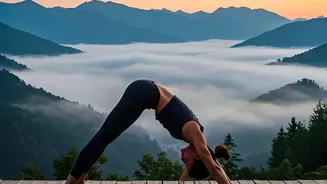
Downward-Facing Dog (Adho Mukha Svanasana)
Arguably the most iconic yoga pose, Downward-Facing Dog is a fantastic full-body stretch that targets your hamstrings, calves, and spine while building upper body strength. From your hands and knees, tuck your toes and lift your hips up and back, forming an inverted 'V' shape with your body. For beginners, it's essential to keep a generous bend in your knees. Focus on creating a long, straight line from your hands to your hips, rather than forcing your heels to the floor. You can 'pedal' your feet by bending one knee and then the other to gently deepen the stretch in your calves.
Low Lunge (Anjaneyasana)
Tight hips are a common complaint, and the Low Lunge is a perfect remedy. From Downward-Facing Dog, step one foot forward between your hands. Lower your back knee to the floor, placing it on a blanket for comfort if needed. Ensure your front knee is stacked directly over your ankle. You can keep your hands on the floor or bring them to your front thigh. This pose provides a deep stretch for the hip flexors and quadriceps of the back leg. Hold for 30 seconds before switching to the other side.
Butterfly Pose (Baddha Konasana)
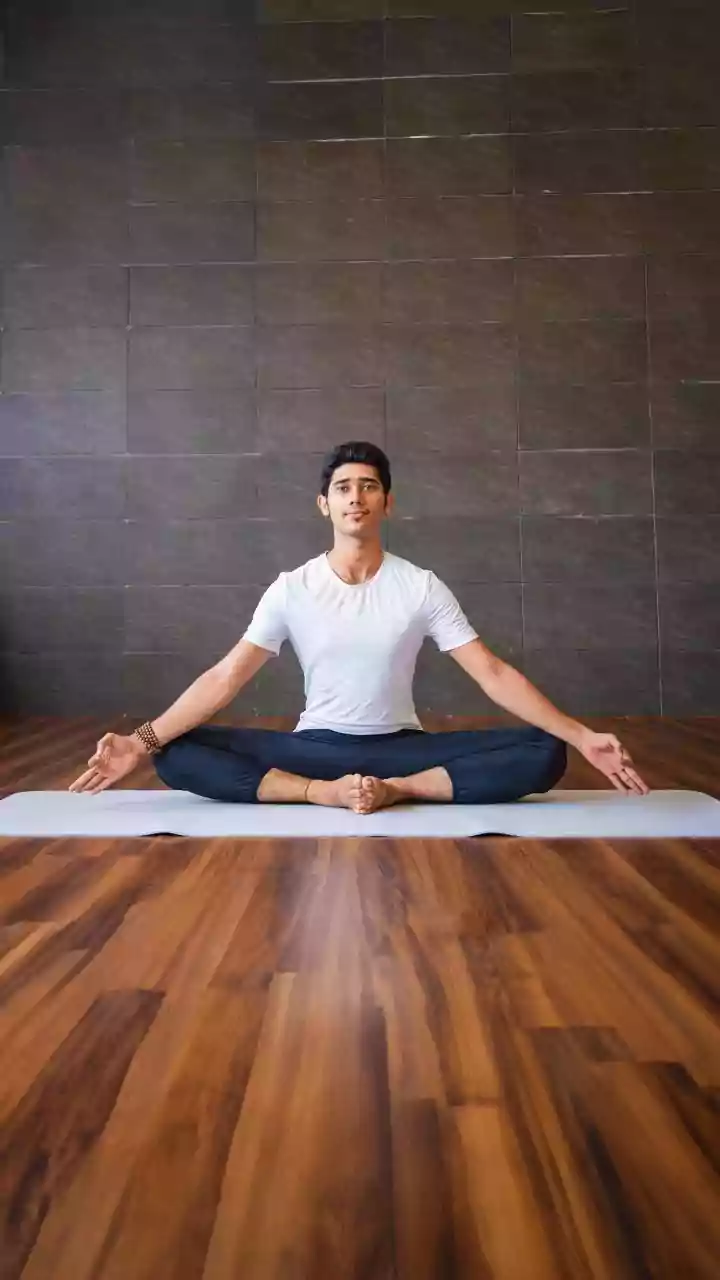
This seated pose is excellent for opening up the hips and stretching the inner thighs and groin. Sit on the floor and bring the soles of your feet together, letting your knees fall out to the sides. Hold onto your ankles or feet. Sit up tall to lengthen your spine, and if you feel comfortable, you can gently fold forward to deepen the stretch. Avoid forcing your knees down; instead, allow gravity to do the work. This pose is wonderful for improving joint mobility in the lower body.
Child's Pose (Balasana)
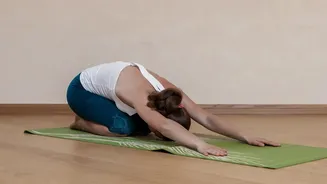
No beginner yoga routine is complete without this restorative posture. Child's Pose is a gentle stretch for the back, hips, thighs, and ankles. It is also incredibly calming for the mind. From your hands and knees, bring your big toes to touch, spread your knees wide, and sit back on your heels. Fold forward, resting your torso between your thighs and your forehead on the floor. You can extend your arms forward or rest them alongside your body. It's the perfect pose to end your routine, allowing your body to absorb the benefits of your practice.