




A Tale of Two Sweet Worlds
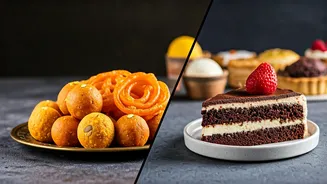
The choice is more than just about flavour; it's a clash of culinary philosophies. On one hand, you have traditional Indian sweets, or 'mithai', which are deeply woven into the fabric of daily life, festivals, and celebrations. They are symbols of joy,
prosperity, and hospitality, often shared among family and friends or offered as 'prasad' in religious ceremonies. On the other hand, Western desserts—cakes, pastries, and puddings—have carved out their own significant space, representing a different kind of indulgence, often seen as a structured final course to a meal and associated with modern celebrations. A 2024 survey noted that while Western desserts are popular, a staggering 82% of Indians still prefer traditional sweets after a meal, especially during festivals.
The Soul of Mithai: Rich, Aromatic, and Diverse
Indian mithai is a universe of its own, built on a foundation of milk, milk solids (khoya), ghee, sugar or jaggery, and an array of flours like besan (gram flour). What sets them apart are the intense, aromatic flavours derived from cardamom, saffron, and rose water. The textures are often dense, rich, and satisfying, from the spongy airiness of a Rasgulla to the crumbly melt-in-your-mouth feel of Mysore Pak or the chewiness of a Barfi. The creation of mithai is often a slow, meticulous process, a craft passed down through generations that values technique over high-tech equipment. These sweets are not just food; they're an essential part of culture, marking milestones from birth to marriage.
The Art of the Western Dessert: Texture, Technique, and Presentation
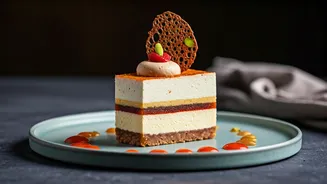
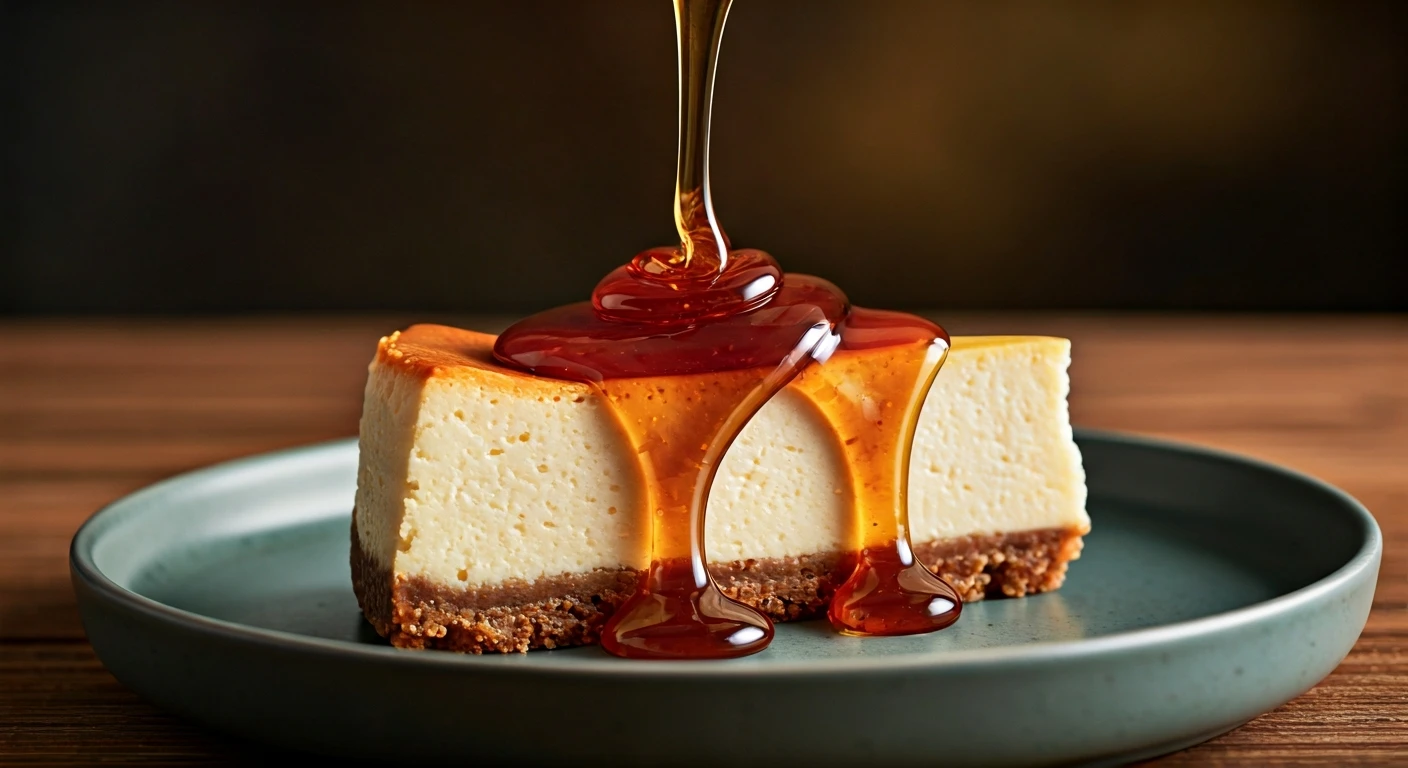
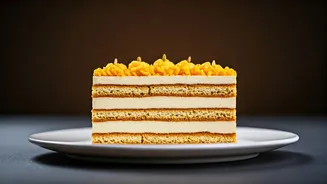
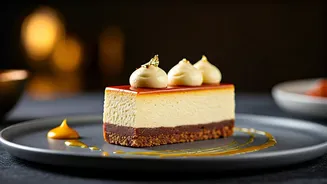
Western desserts offer a different kind of artistry. The foundation here often relies on flour, butter, eggs, and refined sugar, with chocolate being a key ingredient. The magic lies in the technique—baking, whipping, and freezing—to create a stunning variety of textures. Think of the light airiness of a mousse, the flaky layers of a croissant, the creamy smoothness of a cheesecake, or the moist crumb of a chocolate cake. Presentation is often paramount, with intricate plating and decoration playing a crucial role. While Indian sweets are often about an intense hit of sweetness, Western desserts frequently play with a broader palette of flavours, balancing sweet with tart (berries), bitter (dark chocolate), and even a hint of salt.
A Delicious Détente: The Rise of Fusion
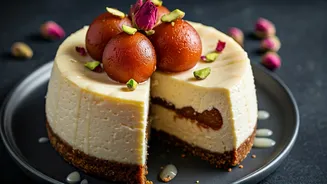
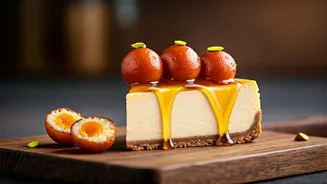
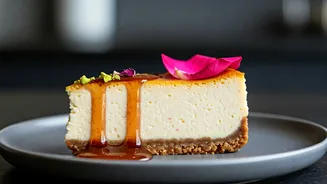
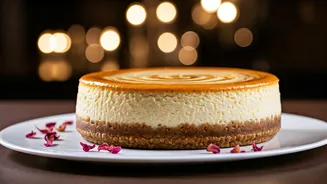
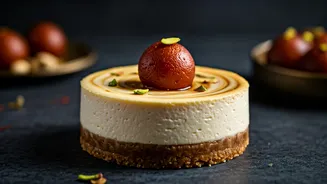
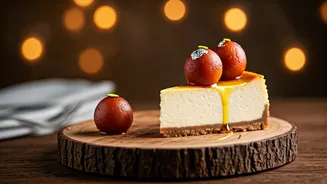
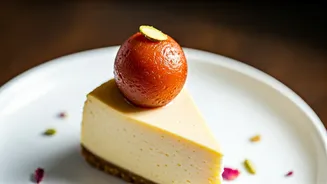
For those who find it impossible to choose, a new culinary trend offers the perfect solution: the fusion dessert. Creative chefs and home bakers are now marrying the two worlds, resulting in spectacular innovations. Imagine a Gulab Jamun Cheesecake, where the soft, syrup-soaked sphere is baked into a creamy cheesecake. Or a Rasmalai Tiramisu, which replaces ladyfingers with soft rasmalai and mascarpone with cardamom-flavoured rabri. Other popular creations include Motichoor Ladoos layered in a parfait, Gajar Halwa baked into a crumble tart, and even Jalebi infused with new flavours like apple. These hybrids honour the nostalgia of Indian flavours while embracing the techniques and forms of Western pastry.