




In the quest for healthy, easy meals, the answer might not be in a new fad but in ancient wisdom. Heritage Indian cuisine offers a time-tested template for daily meal planning that is naturally balanced, delicious, and surprisingly simple to adopt.
The Blueprint of a Balanced Thali
The
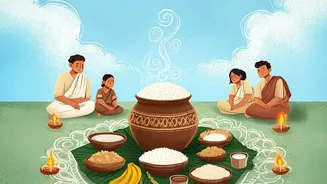
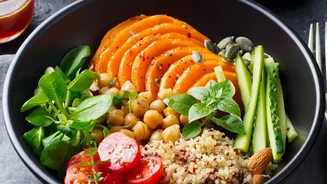
traditional Indian thali, or plate, is a masterclass in balanced nutrition. Long before modern diet plans, the thali perfected the art of combining carbohydrates, proteins, fats, and fibre in one meal. A typical homestyle meal isn't a single, heavy curry, but a collection of complementary dishes in small portions. It usually features a source of grain like roti or rice, a protein-rich dal (lentils), a seasonal vegetable preparation (sabzi), and a side of curd (yoghurt). This structure naturally encourages portion control and ensures you receive a wide spectrum of nutrients in a single sitting. The combination of grains, lentils, and vegetables provides sustained energy and high levels of fibre, which aids digestion and promotes satiety.
Spices as Flavour and Medicine
Indian cooking is renowned for its complex use of spices, which do far more than just add flavour. For centuries, spices have been used in Ayurvedic tradition for their medicinal properties. Turmeric, the 'golden spice', contains curcumin, a compound known for its powerful anti-inflammatory and antioxidant effects. Ginger is a proven digestive aid that can ease nausea, while cumin is known to support digestion and boost immunity. Even everyday spices like black pepper play a role, as it helps enhance the absorption of nutrients from other foods, including the curcumin in turmeric. Integrating these spices into daily cooking is an easy way to support overall wellness, from boosting immunity to improving gut health.
The Wisdom of Seasonal Eating
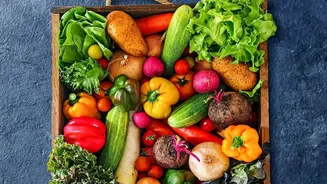
A core principle of heritage Indian cooking is eating locally and seasonally. Traditional recipes are built around the produce that is freshest and most abundant at a given time of year. This approach has significant health benefits. Seasonal vegetables and fruits are typically more nutrient-dense and flavourful. This rhythm also ensures a natural rotation of different foods in your diet, providing a broader range of vitamins and minerals over the course of the year. This contrasts sharply with a modern reliance on globally-sourced ingredients that can be less nutritious by the time they reach your plate. Adopting this principle is as simple as visiting a local market and planning meals around the vegetables that are currently in season.
Lentils: The Humble Protein Powerhouse
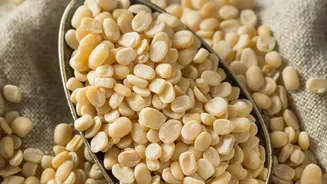
Dal is a cornerstone of daily Indian meals for good reason. Made from lentils, peas, or beans, it is an incredibly versatile, affordable, and nutrient dense food. Lentils are an excellent source of plant based protein and dietary fibre, which helps in managing blood sugar levels and reducing cholesterol. A simple bowl of dal can be prepared in numerous ways, from the light and soupy to the thick and stew like, making it an easy dish to incorporate into a weekly plan. Batch cooking a large pot of a basic dal, such as toor dal or moong dal, can provide a healthy protein base for several meals throughout the week, saving time and effort.
Smarter Cooking, Healthier Meals
While many associate Indian food with rich, heavy restaurant curries, traditional home cooking often relies on healthier techniques. Tempering, or 'tadka', is a key method where whole spices are sizzled in a small amount of hot oil or ghee and poured over a dish. This technique extracts the maximum flavour and aroma from the spices, infusing the entire dish without needing excessive amounts of fat. Other methods like slow cooking in sealed pots ('dum pukht'), steaming, and pressure cooking are also prevalent, which help retain the nutrients in food far better than deep frying. By focusing on these techniques, you can create deeply flavourful dishes that remain light and healthy.