




Choosing between fruits can feel like a pop quiz on nutrition. When it comes to pineapple and pear, both are delicious, but how do they stack up? Let's break down their sugar content, fiber, and unique health benefits to see which one fits you.
A Tale of Two Fruits
In the
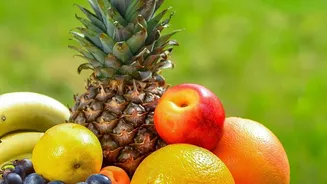
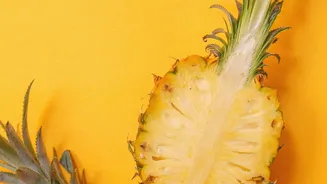
world of fruit, pineapples and pears offer distinctly different experiences. Pineapple, a tropical powerhouse, delivers a burst of tangy sweetness. Pears, with their softer texture and milder, honey-like flavour, are a comforting classic. Both are staples in fruit bowls across India, enjoyed as snacks, in salads, or as part of desserts. While they both provide natural sweetness and essential nutrients, a closer look reveals they serve different nutritional purposes, making the choice between them a matter of your personal health goals rather than a simple question of which is 'healthier'.
The Sugar Showdown
When comparing sugar content, pineapple and pear are surprisingly similar. Per 100 grams, both fruits contain nearly identical amounts of natural sugar, hovering around 9.8 to 9.9 grams. A medium pear might contain around 17 grams of sugar in total, while a cup of diced pineapple has about 16 grams. So, if your primary concern is the sheer quantity of sugar, there's no clear winner. The more important difference lies in how your body processes that sugar, which is heavily influenced by two other factors: fiber and the glycemic index.
The Glycemic Index Factor
The glycemic index (GI) measures how quickly a food raises blood sugar levels. Here, a significant difference emerges. Pears have a low GI of around 38, meaning they cause a slower, more gradual rise in blood sugar. In contrast, pineapple has a medium GI, typically ranging from 59 to 66. This means pineapple can spike blood sugar more quickly than a pear. For individuals managing blood sugar levels or seeking sustained energy without a crash, the low GI of a pear makes it a more favourable choice.
The Fiber Advantage
Fiber is a crucial nutrient for digestive health, and it also plays a key role in slowing sugar absorption. This is where the pear truly shines. A medium pear contains about 5.5 to 6 grams of fiber, which is more than double the amount found in a cup of pineapple chunks (around 2.3 grams). The high fiber content in pears, particularly a soluble fiber called pectin, helps promote feelings of fullness, supports a healthy gut microbiome, and aids in regulating bowel movements. If improving digestion and managing appetite are your priorities, the pear has a distinct edge.
Pineapple’s Unique Power: Bromelain
What pineapple lacks in fiber, it makes up for with a unique and powerful enzyme mixture called bromelain. Found primarily in the core and juice of the pineapple, bromelain is renowned for its anti_inflammatory properties. It's often used to aid digestion (specifically of proteins), reduce swelling and pain from injuries or surgery, and may even help with sinusitis and allergies. This makes pineapple more than just a sweet treat; it's a functional food that can offer therapeutic benefits, particularly for those dealing with inflammation or digestive discomfort.
Pear's Gentle Strength: Vitamins and Antioxidants
Pears offer a gentle yet potent mix of nutrients. They are a good source of vitamin C, vitamin K, and potassium. Pears are also rich in flavonoid antioxidants, particularly in their skin, which contribute to heart health and may reduce inflammation. The combination of high fiber and antioxidants makes pears particularly beneficial for heart and digestive health. They are considered a gentle fruit on the digestive system, making them a great option for people of all ages.
The Verdict: Which Fruit for You?
There is no single 'better' fruit between pineapple and pear; the right choice depends entirely on your individual needs. If you are focused on managing blood sugar levels, improving digestive regularity, and increasing your fiber intake, the low_GI, high_fiber pear is an excellent choice. On the other hand, if you are seeking anti_inflammatory benefits, support for protein digestion, or a major boost of vitamin C, pineapple and its unique bromelain content might be the better fit for you.