


Choose Your Destination Wisely
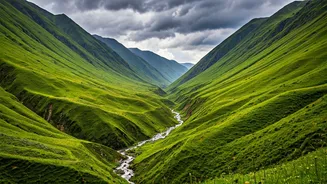
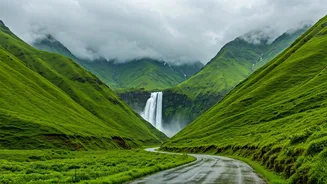
Not all destinations are created equal during the monsoon. While the Himalayan foothills in places like Uttarakhand and Himachal Pradesh can be prone to landslides, other regions flourish. [8, 12] Consider the lush hill stations of the Western Ghats like Munnar
in Kerala or Coorg in Karnataka, where the scenery is at its peak. [18] Rajasthan, a desert state, receives minimal rainfall and offers a chance to see its majestic forts and palaces without the scorching summer heat or peak-season crowds. [12, 22] For those who want to avoid rain entirely, high-altitude desert regions like Ladakh and Spiti Valley remain dry as they fall in a rain-shadow area. [13] Wherever you decide, check the weather forecast not just for your destination but for the entire route, and consider booking stays with flexible cancellation policies. [4]
Master the Monsoon Packing List
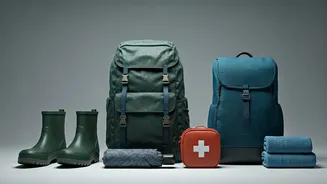
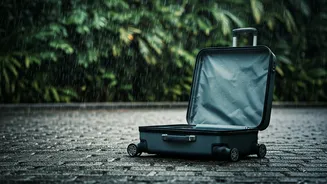
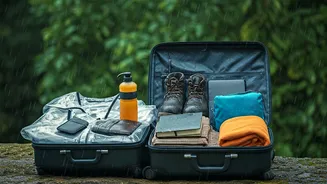
Your packing strategy can make or break a monsoon trip. Leave the heavy jeans and cottons behind; they take forever to dry in the humidity. [3] Instead, opt for lightweight, synthetic, quick-dry clothes. [6, 9] Darker colours are a practical choice to hide mud splashes. [3] Footwear is critical: rubber sandals, waterproof floaters with good grip, or quick-dry sneakers are your best bet to navigate slippery streets and waterlogged paths. [3, 6] A sturdy, wind-resistant umbrella and a lightweight raincoat or poncho are non-negotiable. [5, 6] Protect your electronics, documents, and cash with waterproof bags, dry bags, or even simple ziplock bags. [4, 7] A quick-dry microfibre towel is another monsoon essential that won't get musty in your luggage. [7]
Prioritise Health and Hygiene
The monsoon brings an increased risk of water-borne and mosquito-borne diseases. [19, 25] Mosquitoes that spread dengue, malaria, and chikungunya breed in stagnant water, so carrying and using a good insect repellent is crucial. [6, 24] Wearing full-sleeved, light clothing can also offer protection. [25] Be cautious about food and water. Avoid street food unless it's from a vendor with high turnover and visibly hygienic practices. [4, 15] Stick to freshly cooked meals and avoid raw foods like salads or pre-cut fruit. [4, 24] Only drink bottled, boiled, or purified water to prevent illnesses like typhoid and gastroenteritis. [15, 19, 25] It's also wise to pack a basic first-aid kit containing essentials like antiseptic wipes, bandages, anti-diarrhoeals, allergy tablets, and any personal medications. [6, 7]
Plan for Inevitable Delays
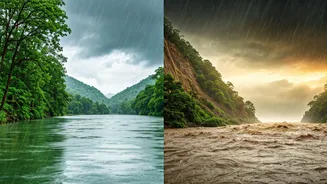
Monsoon travel requires a flexible mindset and a relaxed schedule. Heavy rains can lead to significant transport disruptions, including flooded roads, delayed or cancelled flights, and slowed-down trains. [4, 11] Road travel, especially, can be unpredictable, with potholes and waterlogging causing traffic to snarl for hours. [14, 21] In hilly areas, the risk of landslides can lead to road closures. [4, 8] The smartest approach is to build buffer days into your itinerary. [10] Avoid planning tight connections and don't travel on roads in hilly regions at night. [4] Keeping an eye on real-time traffic updates and weather apps can help you make informed decisions and reroute if necessary. [4, 11] Having some snacks and a fully charged power bank will make any unexpected delay much more manageable. [6, 11]