







Let Go of the Hour-by-Hour Plan
The first step toward a more respectful and rewarding festival experience is to trade your rigid, minute-by-minute itinerary for a flexible framework. A strict schedule can create stress and lock you into a pre-planned route, preventing spontaneous discovery.
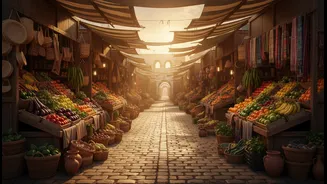
Instead of mapping out every single performance you want to see, try picking just one or two 'must-do' activities each day. This approach, inspired by the principles of slow travel, frees you up to linger, explore, and say 'yes' to unexpected opportunities that arise. The goal is to move from a mindset of consuming sights to one of experiencing a place. You might stumble upon a charming local cafe, a hidden art installation, or an impromptu street performance—the very moments that become cherished memories.
Research Beyond the Main Stage
A deeper experience begins before you even pack your bags. While it's great to know the headlining acts, take time to research the cultural context of the festival. What is its history? What local traditions or customs are associated with it? This understanding transforms your role from a mere spectator to an informed guest. Look for smaller, community-run events happening on the fringes of the main festival. Often, these are where you'll find a more authentic expression of local culture. Also, learning a few basic phrases in the local language—like 'hello', 'thank you', and 'excuse me'—is a simple yet powerful gesture of respect that can open doors to more genuine interactions with residents.
Prioritise Connection Over Content
In an age of constant documentation, it's easy to experience a festival through your phone screen. While capturing memories is fine, being overly focused on getting the perfect shot can disconnect you from the present moment. A respectful traveller is mindful of others' space and privacy. Avoid taking close-up photos of strangers without permission and be aware of blocking someone's view while filming. True connection comes from participation. If the festival offers workshops, like cooking classes or traditional crafts, sign up for one. These activities not only support local artisans but also provide a hands-on way to engage with the culture you're there to celebrate.
Spend Your Rupee with Intention
Where you spend your money has a direct impact on the local community. Make a conscious effort to support small, locally-owned businesses instead of large international chains or tourist traps. Eat at family-run restaurants, buy souvenirs from local artisans and markets, and consider hiring a local guide for a tour. This not only ensures that your financial contribution benefits the people who live there but also enriches your experience. You’re more likely to taste authentic cuisine, find unique keepsakes, and hear stories that you wouldn't find in a generic souvenir shop. It's a simple way to say thank you to the community hosting the event.
Listen to the Local Tempo
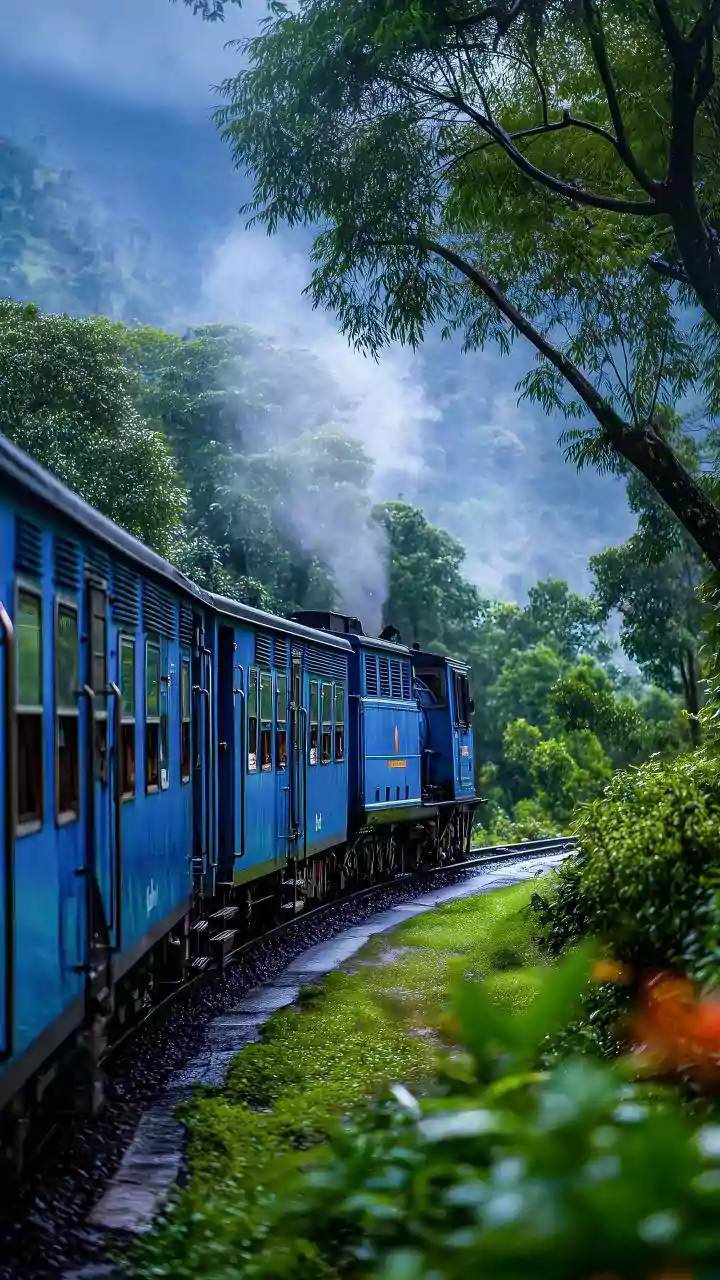
Every place has its own rhythm—the time of day when streets are bustling, when people take their meals, and when they rest. Instead of imposing your own schedule, try to attune yourself to this local tempo. Perhaps the afternoons are reserved for a quiet siesta, or maybe the real energy comes alive late at night, long after the main stage has gone dark. Observing and adapting to this flow is a fundamental sign of respect. It allows you to move with the community, not against it. By building in unstructured time to simply wander and observe, you give yourself the chance to truly feel the pulse of the destination and discover its character beyond the festival gates.