

First, Understand Your Light
Before you choose a plant, take a moment to assess the natural light in your rooms. You don't need a special meter; a simple 'shadow test' works wonders. Hold your hand about a foot above a piece of white paper in the spot you want to place a plant. A
sharp, well-defined shadow means you have bright, direct light. A softer, fuzzier shadow indicates medium, indirect light. If there's only a faint shadow or none at all, that's a low-light area. Observe how the light changes throughout the day. A south-facing window will get the most intense sun, while a north-facing one will offer the least. This simple observation is the most crucial step to ensuring your plants don't just survive but truly flourish.
For Bright, Sun-Drenched Spots
Areas with bright, direct light—typically near south or west-facing windows—can be challenging for many houseplants, but some species absolutely love to bask in the sun. These spots are perfect for plants that are naturally accustomed to sunny, arid climates. The Aloe Vera, a popular succulent, is an excellent choice. It thrives in bright conditions and has the added benefit of its soothing gel. Just be sure to let its soil dry out completely between waterings. Another great option is the Croton, known for its stunning, colourful foliage in shades of red, orange, and yellow. These plants use the bright light to produce their vibrant leaf colours. A Jade Plant, considered a symbol of good fortune, is another succulent that does well in high light and is quite forgiving.
For Gentle, Indirect Light
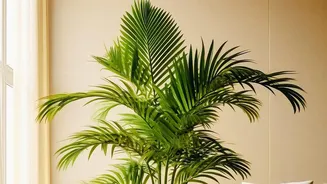
Most homes are filled with spots that get 'medium' or 'bright, indirect' light. These are areas near windows but out of the direct path of the sun's rays, or rooms with east-facing windows that get softer morning sun. This is the sweet spot for a huge variety of popular indoor plants. The classic Money Plant (Pothos) is a fantastic choice, with its trailing vines and hardy nature. It's famously easy to care for and adaptable. Similarly, the Spider Plant, with its arching, striped leaves, is very forgiving and looks wonderful in hanging baskets. For a more tropical feel, consider the Areca Palm, which adds a lush, feathery texture to a room, or the Peace Lily, which can produce beautiful white blooms in these conditions. The Rubber Plant, with its large, glossy dark leaves, also fits perfectly here, making a bold statement.
For Those Shadier Corners
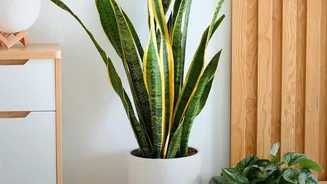
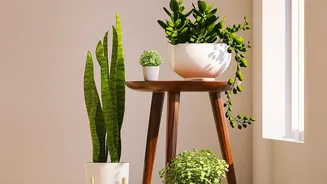
Every home has them: the dim hallway, the corner far from a window, or a north-facing room. Don't despair—these spots can still host beautiful greenery. The key is to choose plants that have adapted to thrive on the forest floor, under the canopy of larger trees. The Snake Plant is a champion of low light. With its stiff, upright leaves, it is almost indestructible and is an excellent air purifier. Another nearly foolproof option is the ZZ Plant, which has glossy, dark green leaves and tolerates neglect and low light with ease. Peace Lilies are also surprisingly tolerant of lower light levels, though they may not flower as much. Chinese Evergreens (Aglaonema) are also well-suited for shady spots and come in a variety of beautiful variegated patterns.