



Decoding the H1 FY27 Numbers
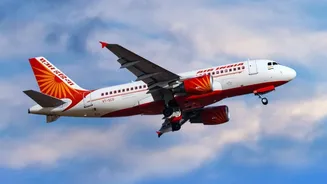
For the six months ending September 30, 2026, Air India's losses are estimated at approximately ₹10,500 crore. This figure comes to light via disclosures from Singapore Airlines, which holds a 25.1% stake in the carrier. While still a significant loss,
it represents a notable improvement—a reduction of about ₹2,000 crore from the estimated ₹12,500 crore loss in the same period last year. This suggests that the initial efforts of the airline's Vihaan.AI transformation plan are beginning to yield some positive financial results, even as overall spending remains high. The reduction in losses provided a benefit of about ₹498 crore to Singapore Airlines' own financial performance, highlighting the interconnected nature of the partnership. However, the figure follows a staggering consolidated net loss of over ₹22,000 crore for the full financial year 2026, which was more than double the previous year's loss.
Investment Over Profit: The Cost of a Comeback
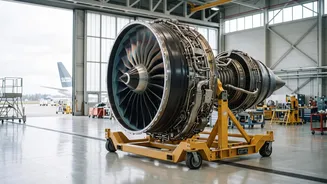
The persistent losses are not a sign of failure but a direct consequence of a massive, calculated investment strategy. Under the Tata Group, Air India has committed to a complete overhaul. A cornerstone of this is the historic order for 470 new aircraft from Airbus and Boeing, a deal valued at an estimated $70 billion. Deliveries of these new planes, including the modern A350s and upcoming Boeing 777-9s, have begun and will continue into the late 2020s. Alongside new planes, the airline has earmarked $400 million to refurbish its existing wide-body fleet, which has long been a source of customer complaints. Another $200 million is being invested in overhauling the airline's information technology systems, moving away from legacy platforms to modern solutions. These expenditures are foundational to rebuilding the airline but heavily impact short-term profitability.
The Merger Effect and Integration Costs
The first half of FY27 has also been dominated by the complex and costly integration of Vistara. The merger, which was completed in November 2024, is aimed at creating a single, dominant full-service carrier. While the long-term goal is to unlock synergies and streamline operations, the short-term reality involves significant one-time costs. These include harmonizing employee contracts, integrating IT systems, aligning service standards, and repainting aircraft. Over 115,000 passengers holding Vistara tickets had to be transferred to the Air India brand. This consolidation, alongside the earlier merger of AirAsia India into Air India Express, is a critical step in Tata's strategy but adds pressure to the bottom line. Singapore Airlines, Vistara's former joint venture partner, invested over ₹2,000 crore for its stake in the newly merged entity.
Signs of Progress Amid the Spending
Despite the red ink, there are clear signs that the turnaround strategy is gaining traction. The Air India group's combined market share has been growing steadily. For domestic operations, it rose from 24% in FY23 to 27% in FY24, while its international market share grew from 21% to 24% in the same period. The airline has launched 35 new routes and added 11 new stations to its network. Critically, the customer experience is seeing targeted improvements. The newly inducted A350 aircraft are achieving high Net Promoter Scores (NPS), and the airline has launched a generative AI chatbot and revamped its loyalty program. Hiring has also been aggressive, with over 9,000 new employees brought on board to support the expansion. These operational improvements are vital for rebuilding trust and winning back high-value customers.
Why H1 Matters More Than a Full-Year Forecast
The focus on half-year results, rather than a full-year prediction, is intentional. The aviation market remains volatile, with factors like fluctuating fuel prices and geopolitical tensions creating uncertainty. Air India's transformation is in the 'Take Off' and 'Climb' phases of its Vihaan.AI plan, which are characterized by continued heavy investment and integration efforts. A full-year estimate would be speculative at best. Instead, the H1 results provide a concrete health check. They show that while the path to profitability is still long, the airline is managing to reduce its losses even as it executes the most expensive parts of its revival. The coming months will be focused on cost rationalisation and deepening the synergies between the merged entities to build a sustainable financial foundation.