

The Anatomy of a Perfect Vada
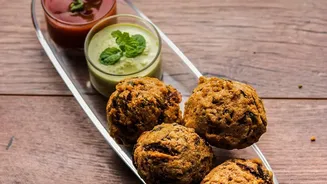
Before we fry, let's understand the heart of the dish: the batata vada. It’s a perfectly spiced potato mixture, coated in a gram flour (besan) batter and deep-fried to golden perfection. The filling starts with boiled and mashed potatoes. They should
be just fork-tender, not mushy, as excess water can make the filling sticky. This potato base is then infused with a tempering of mustard seeds, curry leaves, and a paste of ginger, garlic, and green chillies. Turmeric provides the signature yellow hue, while fresh coriander and a squeeze of lemon juice add brightness.
Home Frying 101: Oil and Temperature
Deep frying at home can seem intimidating, but success lies in controlling the two most important variables: the oil and its temperature. First, choose a neutral oil with a high smoke point, like canola, sunflower, or peanut oil. These oils can handle the high heat required for frying without burning or imparting a strong flavour. A heavy-bottomed pot or a deep Dutch oven is the best vessel, as it holds heat steadily and its high sides prevent splatters. The ideal temperature for frying vadas is between 175-190°C (350-375°F). A deep-fry thermometer is the most accurate way to monitor this. If you don't have one, you can test the oil by dropping a small bit of batter into it. If it sizzles and rises to the surface as a golden bubble, the oil is ready.
Frying Technique: The Dos and Don'ts
To achieve a vada that’s crispy on the outside and fluffy inside, follow a few key rules. First, ensure your gram flour batter is the right consistency—thick enough to coat the potato ball without being gluey. Adding a pinch of baking soda or a little hot oil to the batter can help create a lighter, crispier shell. When you're ready to fry, gently slide the battered vadas into the oil one by one; dropping them from a height will cause dangerous splatters. Most importantly, do not overcrowd the pan. Frying in small batches maintains the oil temperature, preventing the vadas from absorbing too much oil and becoming greasy. Once golden brown, remove them with a slotted spoon and let them drain on a wire rack, which allows air to circulate and keeps the bottom from getting soggy.
Classic Assembly and Beyond
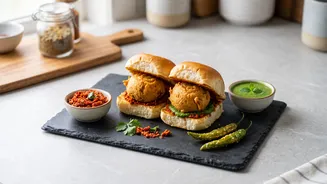
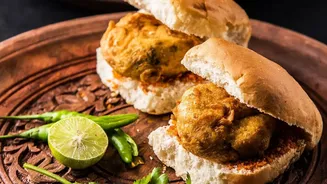
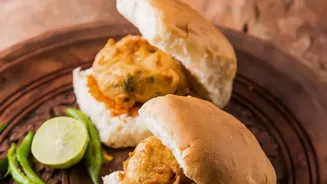
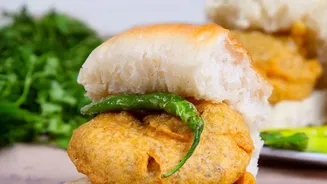
The traditional vada pav is a work of art. A soft pav bun is split, then smeared with chutneys. Typically, this includes a fiery dry garlic chutney (lasun chutney), a fresh green coriander chutney, and sometimes a sweet tamarind chutney for balance. A hot vada is placed inside, gently pressed, and served with a fried green chilli on the side. But the beauty of making it at home is the freedom to experiment. These variations have become popular street-side staples themselves.
Variation 1: Schezwan Vada Pav
This Indo-Chinese twist brings a bold, garlic-forward heat. Simply replace or supplement the traditional chutneys with a generous layer of Schezwan sauce spread inside the pav. The sauce’s combination of red chilli, garlic, and a hint of soy provides a tangy, spicy kick that complements the potato vada beautifully. Some vendors also add Schezwan sauce directly into the potato mixture for an even more intense flavour.
Variation 2: Cheese Vada Pav
For a gooey, indulgent upgrade, the Cheese Vada Pav is a modern favourite. The simplest method is to add a slice or a generous amount of grated mozzarella or cheddar cheese on top of the hot vada before closing the bun, letting it melt from the residual heat. For a more integrated experience, you can stuff a small cube of mozzarella cheese into the centre of the potato ball before coating it in batter and frying. This creates a delightful 'cheese burst' effect when you bite into the vada.