
The Indoor Humidity Problem
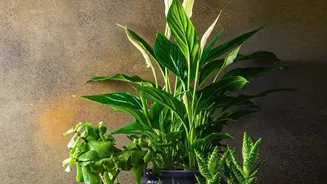
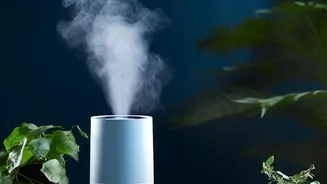
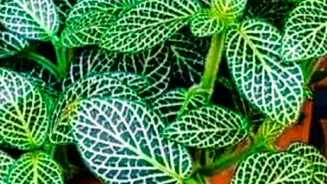
Many of the most beloved houseplants, from lush ferns to vibrant Calatheas, originate in tropical rainforests where high humidity is a given. Our homes, however, especially those with air conditioning or winter heating, often have very dry air. This disparity
can cause stress for plants, leading to common issues like brown, crispy leaf tips, curling leaves, and a general failure to thrive. While you can't turn your living room into a jungle, you can create a small pocket of humidity right where your plant needs it most.
How a Simple Tray of Water Works
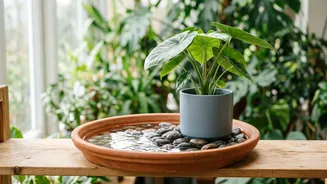
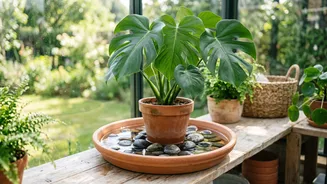
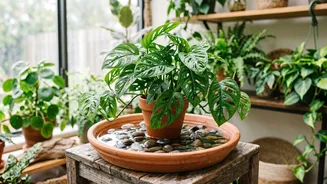
The solution is a humidity tray, often called a pebble tray. It’s a shallow dish filled with pebbles and water that sits underneath your plant pot. The principle is simple: the water in the tray slowly evaporates, increasing the moisture content of the air directly around the plant. This creates a more humid 'microclimate' for your plant, mimicking its natural environment on a small scale. The key is that the pot sits on top of the pebbles, not directly in the water, which is crucial for preventing root rot.
Create Your Own Humidity Tray
Making a humidity tray is easy and inexpensive. Find a waterproof saucer or tray that is wider than the base of your plant's pot. Fill it with a layer of pebbles, gravel, or even decorative stones. Add water until the level is just below the top of the pebbles. You want the surface of the pebbles to be dry so the pot isn't sitting in standing water. Place your potted plant on top, and that's it. You've created a personal humidifier for your plant.
Topping Up for Steady Results
The effectiveness of the tray relies on consistent evaporation, which means the water needs to be replenished. Check the tray every few days and top it up as the water level drops. This regular maintenance ensures a steady, localized humidity boost. It’s a more stable and less labour-intensive method than misting, which only provides a fleeting increase in moisture that disappears within minutes. A pebble tray provides a continuous, gentle source of humidity without wetting the foliage, which can help prevent fungal diseases.
Common Mistakes to Avoid
While effective, there are a few things to watch out for. The most critical rule is to ensure the pot is never sitting directly in water, as this will lead to waterlogged soil and root rot. Also, stagnant water can become a breeding ground for pests like fungus gnats or for algae and bacteria. To prevent this, it's a good practice to empty, rinse, and refill the tray and pebbles every couple of weeks to keep things fresh and clean.
Plants That Will Thank You
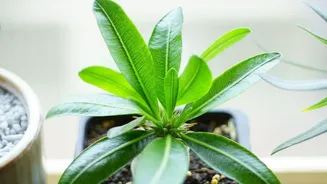
Which plants benefit most from this setup? Typically, any plant native to a tropical environment will appreciate the extra humidity. This includes popular choices like Calatheas (Prayer Plants), Marantas, Ferns (especially Boston and Maidenhair ferns), Alocasias (Elephant Ear), many Orchids, Anthuriums, and Philodendrons. These plants are known for developing brown tips or struggling in dry indoor air, and a pebble tray can make a noticeable difference in their health and appearance.