



The Science Behind the Glow
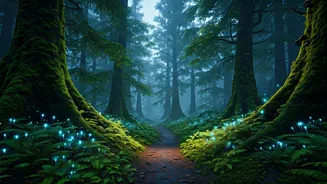
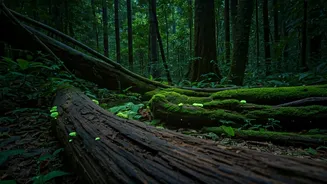
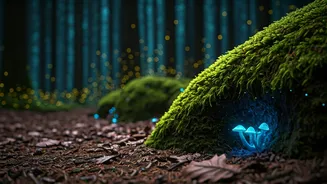
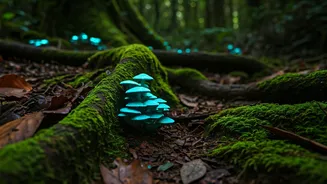
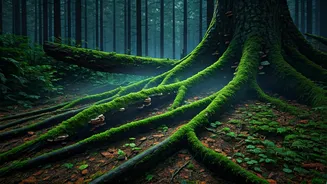
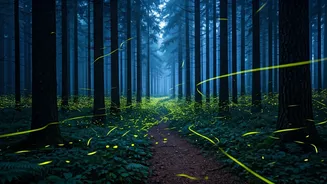
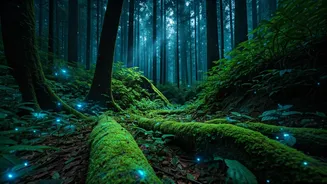
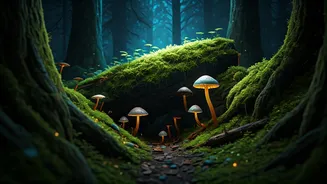
What looks like something out of a fantasy film is pure biology. This otherworldly light is created by bioluminescent fungi, most commonly a species from the Mycena genus. These fungi thrive on decaying logs, branches, and leaves on the forest floor.
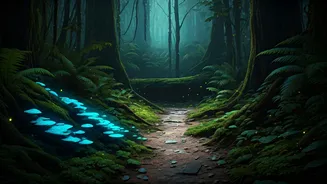
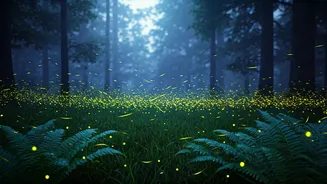
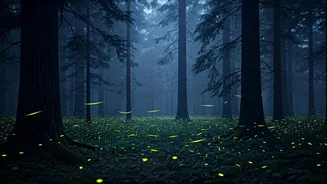
During the monsoon and immediate post-monsoon months, the high humidity activates a chemical reaction within them. The fungus produces compounds called luciferin and an enzyme called luciferase. When they mix with oxygen, they emit a steady, eerie green-blue light, a process known as 'foxfire'. This isn't a fleeting flash like a firefly; it's a constant, gentle glow that can transform a dark forest trail into an enchanted path.
Hotspots for a Glowing Night
This natural light show is exclusive to specific regions with the right conditions, and the Western Ghats are a prime location. The Bhimashankar Wildlife Sanctuary in Maharashtra is perhaps the most famous hotspot, with several tour operators and local guides offering guided night walks. The forests around Panhala and Kolhapur also report sightings. Further south, parts of Goa’s Mhadei Wildlife Sanctuary and certain forested areas in Karnataka have become popular destinations for 'glowing forest' treks. The key is to find undisturbed, dense forests with plenty of moist, decaying organic matter—the perfect buffet for these fascinating fungi.
Why the Sudden Surge in Interest?
While the phenomenon itself is ancient, the recent spike in tourism is a newer development. The trend seems to be fuelled by a combination of factors. Firstly, stunning photos and videos shared on social media have unveiled this once-local secret to a national audience. Secondly, there is a growing appetite for unique, nature-based experiences, a trend that has accelerated post-pandemic as people seek open-air adventures away from crowded cities. Tour operators have responded to this demand by packaging the experience into 'bioluminescent safaris'—typically guided night treks—making it more accessible for city dwellers. This has created a feedback loop: more visitors lead to more social media posts, which in turn fuels more interest.
Planning Your Trip: A Practical Guide
If you're planning to witness the glow, timing and preparation are everything. The best window is typically from late August to early October, when the monsoon has saturated the ground but the heavy downpours have subsided. It's crucial to go with a registered local guide or a reputable eco-tourism group. They know the exact trails where the fungi are present and can navigate the forest safely at night. Dress for a trek: wear sturdy, waterproof footwear with good grip. Carry a light rain jacket and a water bottle. Most importantly, manage your expectations. The glow is subtle and best viewed in absolute darkness, far from any artificial light. Your eyes will need several minutes to adjust.
How to Be a Responsible Tourist
With growing popularity comes the responsibility to protect this delicate ecosystem. The fungi are fragile. Never touch them or attempt to take a piece as a souvenir. Flash photography is a major no-go; it ruins the experience for everyone and can disrupt nocturnal wildlife. Instead, use a camera with good low-light capabilities on a tripod for long-exposure shots. If you must use a torch, cover it with a red filter, as red light is less disruptive to wildlife (and your own night vision). Stick to the designated trails, don't litter, and keep your voice low. The goal is to leave the forest exactly as you found it, ensuring this magic can be witnessed by future generations.