



Plan Your Menu Around Your Space
The secret to a low-stress, food-safe event begins before you buy a single ingredient. Instead of choosing complex recipes that require multiple steps and lots of equipment, design a menu that respects the limitations of your kitchen. Opt for dishes that can
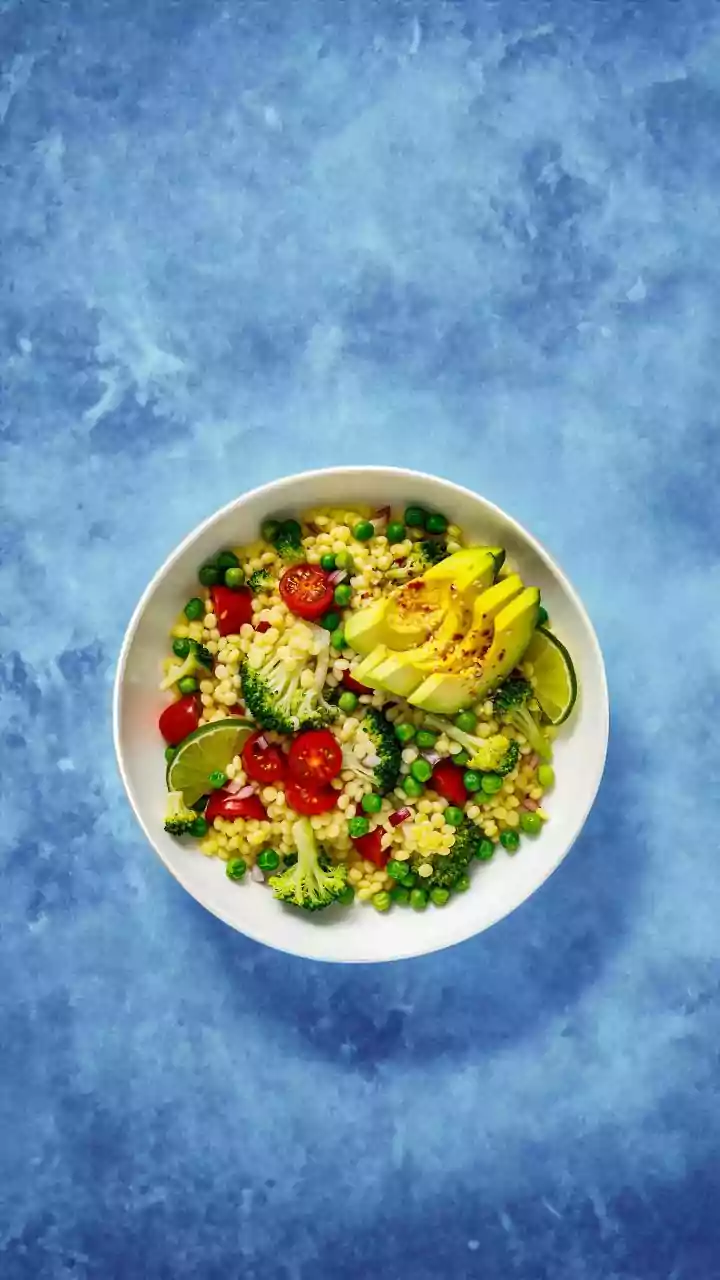
be partially or fully prepared in advance, freeing up precious counter space on the day of the party. One-pot meals, sheet-pan dinners, and dishes that don't require last-minute assembly are excellent choices. Think about your refrigerator and oven capacity. Can you realistically chill three large salads while also roasting a main course? If not, consider a menu with more room-temperature stable items, like a high-quality bread basket, marinated olives, or a grain salad that doesn't rely on dairy or mayonnaise. By planning for your space, you reduce the risk of a frantic, cluttered kitchen where mistakes are more likely to happen.
Create Safe Prep Zones
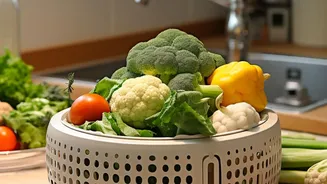
Cross-contamination is one of the leading causes of foodborne illness and it happens when bacteria from one food item, like raw meat, transfers to another, like fresh vegetables. In a small kitchen, the risk is higher. To combat this, create distinct 'zones' on your countertops. Designate one area exclusively for raw meat, poultry, and seafood. Use a specific, color-coded cutting board (e.g., red) for these items. Another zone should be for washing and chopping fresh produce, using a different cutting board (e.g., green). A third area can be for assembling ready-to-eat foods. Wash your hands with soap and water for at least 20 seconds before starting and after handling different types of food. It’s also crucial to wash and sanitize cutting boards, knives, and counters with hot, soapy water after each task to prevent the spread of germs.
The Refrigerator Real Estate Game
Your refrigerator is a critical tool for food safety, but it can quickly become over-crowded before a party. Smart organization is key. Store raw meat, poultry, and seafood in sealed containers or plastic bags on the bottom shelf; this prevents their juices from dripping onto and contaminating other foods. If you're short on space, a well-insulated cooler can act as a second refrigerator. You can use one cooler for drinks, which will be opened frequently, and another for perishable food items to maintain a consistently cold temperature. Aim to keep the internal temperature of your refrigerator and coolers at or below 40°F (4°C). Chilling all beverages and serving dishes overnight can also help maintain safe temperatures without overloading your fridge on party day.
Mastering the Temperature Danger Zone
Bacteria multiply rapidly in the 'danger zone,' the temperature range between 40°F and 140°F (5°C and 60°C). The cardinal rule of serving food is to keep hot foods hot and cold foods cold. Perishable food should not be left at room temperature for more than two hours. If the ambient temperature is above 90°F (32°C), that window shrinks to just one hour. For hot dishes, use slow cookers, warming trays, or chafing dishes to keep them at or above 140°F. For cold items, place their serving containers in a larger bowl of ice to keep them at or below 40°F. Using a food thermometer is the only reliable way to ensure your food is staying out of the danger zone.
Smart Serving and Storage
Instead of putting out one large platter of food that will sit for hours, serve smaller portions and replenish them as needed. This keeps the food fresher and reduces the total time it spends in the temperature danger zone. When you bring out a fresh batch, use a clean platter and clean serving utensils to prevent contamination from guests' hands. As the party winds down, be vigilant about leftovers. Any perishable food that has been at room temperature for two hours or more should be discarded. For food that is still safe, store it in shallow containers to allow for quick cooling and refrigerate it promptly. Quick cooling helps food pass through the danger zone faster, preventing bacteria from gaining a foothold.