





From Function to Focal Point
Not long ago, lighting in most Indian homes was a practical affair—a tube light here, a functional bulb there. Its job was simply to illuminate a room after sunset. That narrative has completely changed. Today, interior designers and savvy homeowners
are treating lighting as a critical design element, one that has the power to define a space, dictate the mood, and express personal style. Much like a statement piece of art or a handwoven rug, a well-chosen light fixture is now considered a focal point, an object of beauty that commands attention even when switched off. This shift marks a move from merely lighting a room to designing an atmosphere.
The Power of Layering Light
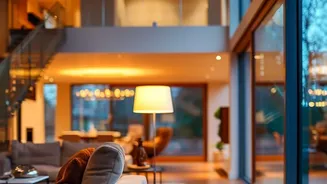
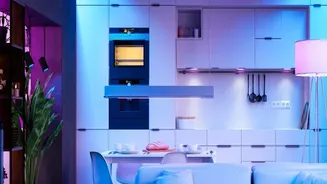
The secret to this new approach lies in a professional design concept called 'layered lighting'. Instead of relying on a single overhead source, this technique combines three distinct types of illumination to create a space that is both functional and full of character. The first is 'ambient lighting', the general, overall glow usually provided by a chandelier or ceiling fixture that sets the base mood. Next is 'task lighting', which is focused light for specific activities like reading, cooking, or working. Think of a floor lamp by a sofa, under-cabinet lights in the kitchen, or a chic table lamp on a desk. The final, transformative layer is 'accent lighting', which adds drama and personality by highlighting what you want to show off—be it a piece of art, a textured wall, or traditional brassware.
Sculptural Fixtures as Functional Art
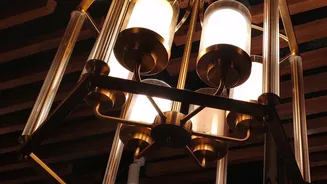
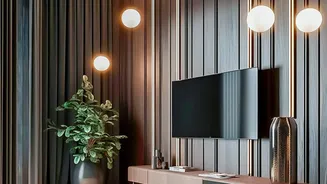
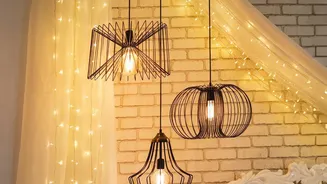
A major trend driving this change is the rise of statement lighting that doubles as sculpture. Heavy, traditional crystal chandeliers are giving way to more contemporary, abstract, and geometric designs. We're seeing oversized, artistic chandeliers made from mixed materials like metal and smoked glass anchoring dining rooms, and clusters of pendant lights creating a visual rhythm over kitchen islands. Wall sconces are no longer just for hallways; they are being treated as luminous art pieces, often with intricate metalwork or fluted glass, adding a touch of hotel-like luxury to bedrooms and living areas. These pieces are chosen not just for the light they give, but for the story they tell and the aesthetic they build.
Why Is This Happening Now?
Several factors are fuelling this bright new wave in Indian decor. Increased exposure to global design trends through social media and travel has made homeowners more design-aware. There's a growing desire for personalised spaces that feel authentic and unique, moving beyond off-the-shelf solutions. Furthermore, the rise of e-commerce has made a vast variety of high-quality, design-led lighting accessible to people across the country. Designers note that as homes become more multi-functional—serving as offices, entertainment zones, and quiet retreats—the need for flexible and mood-setting lighting has become paramount.
Marrying Modern Trends with Indian Soul
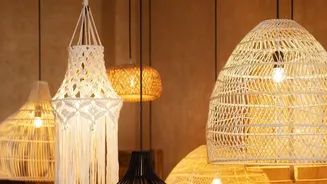
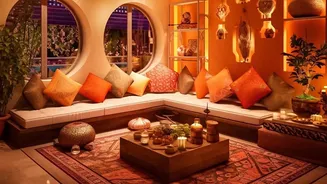
While many of the forms are global, the interpretation is distinctly Indian. Homeowners and designers are adept at blending contemporary fixtures with traditional aesthetics. A minimalist metal pendant light might be used to highlight a wall with traditional mirror-work, or a modern track light system can be aimed at a cherished Tanjore painting. Materials like brass, bronze, cane, and jute are being used in modern fixtures, giving them an earthy, handcrafted feel that resonates with Indian sensibilities. The goal isn't to replicate a Western catalogue, but to use light to enhance the unique character and warmth of the Indian home, often favouring warm white light (around 2700K-3000K) to create a cosy, inviting glow reminiscent of traditional diyas.